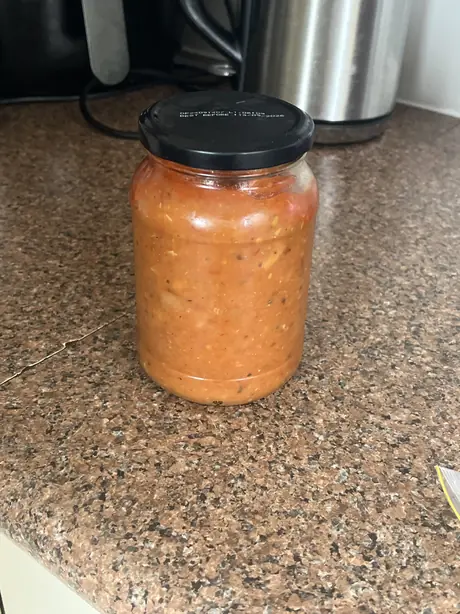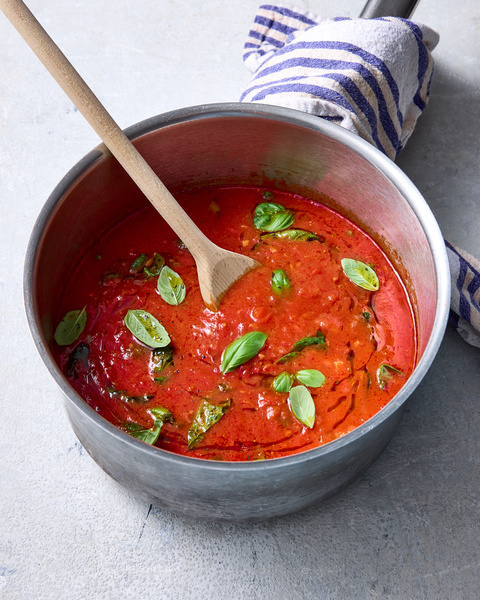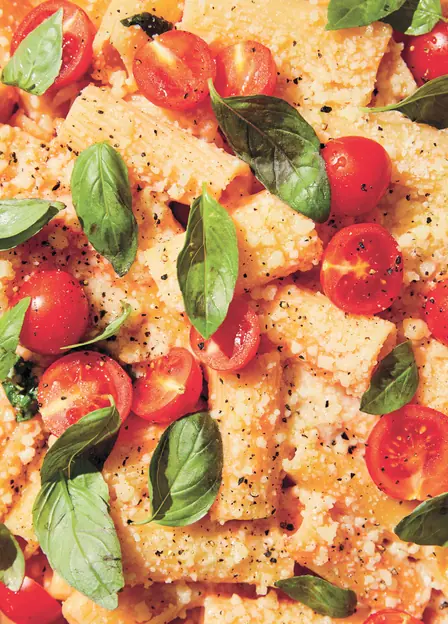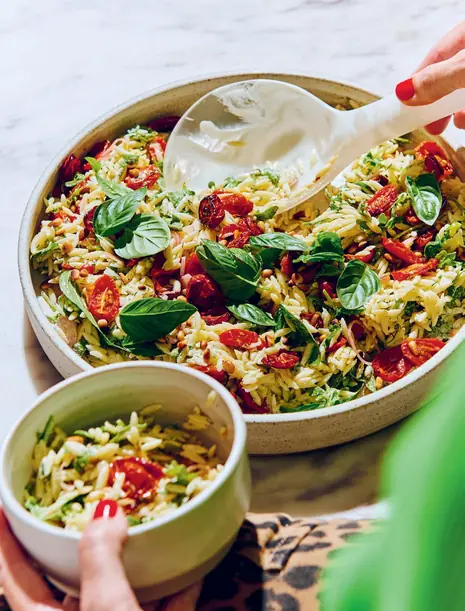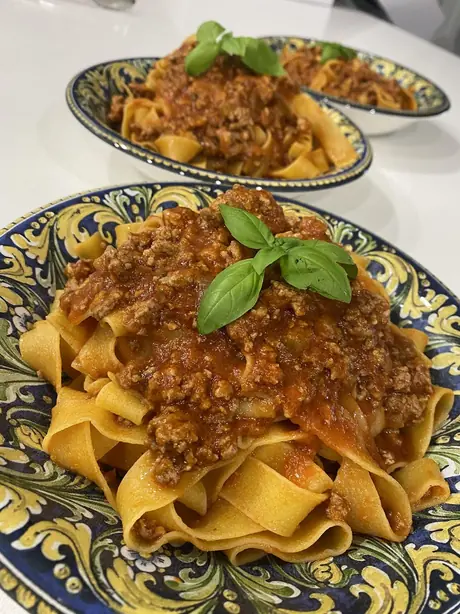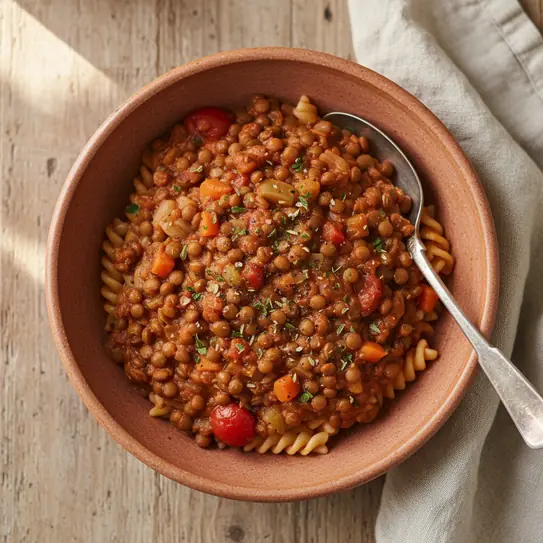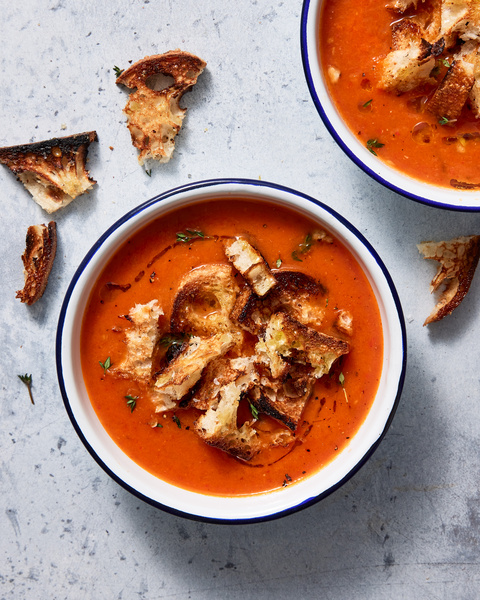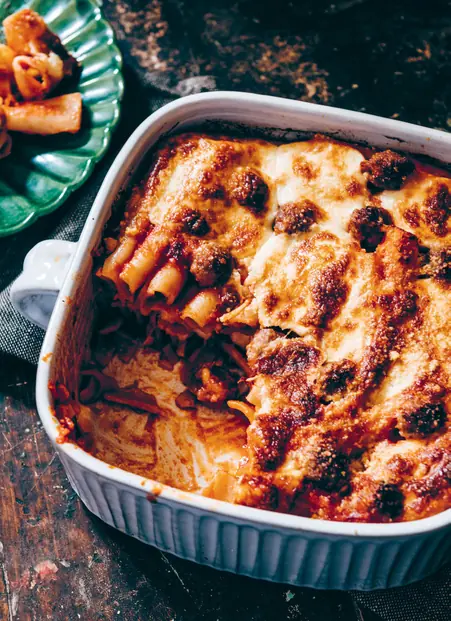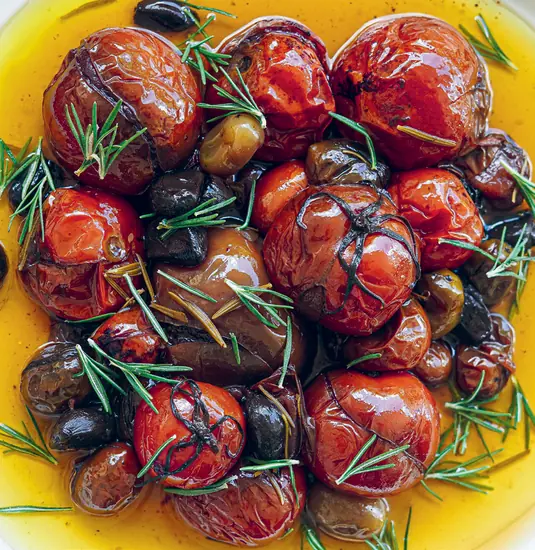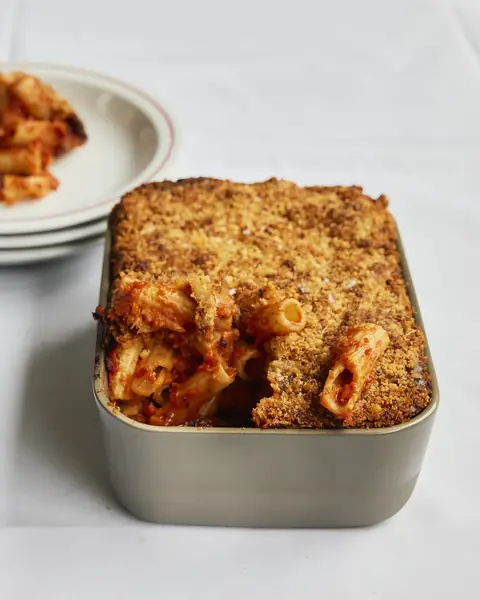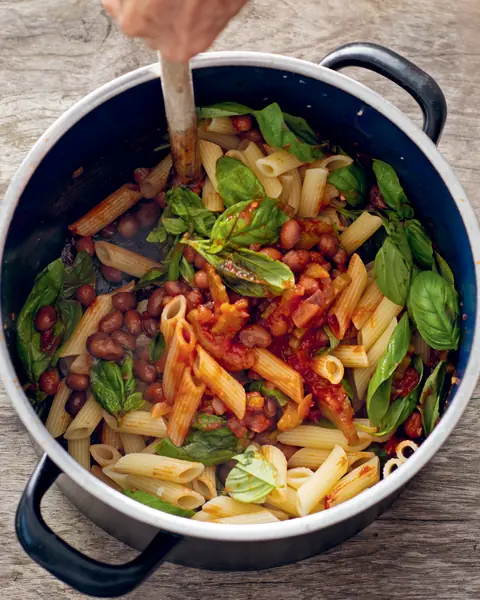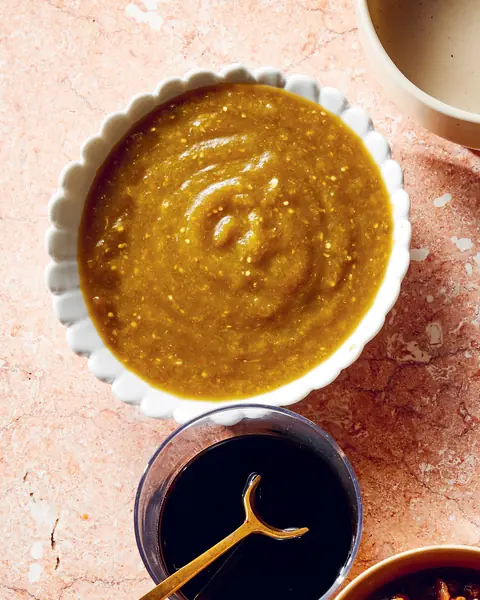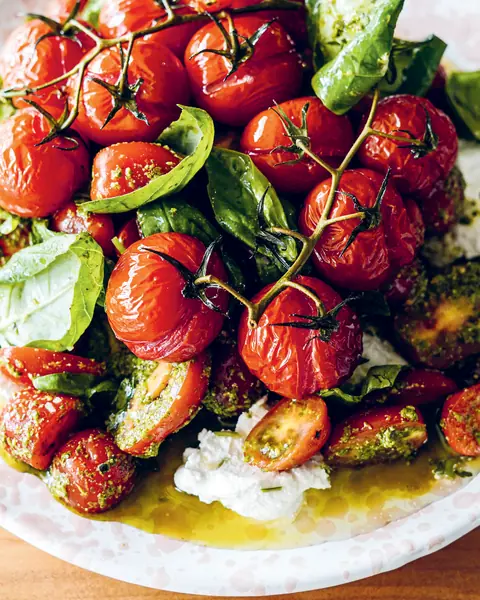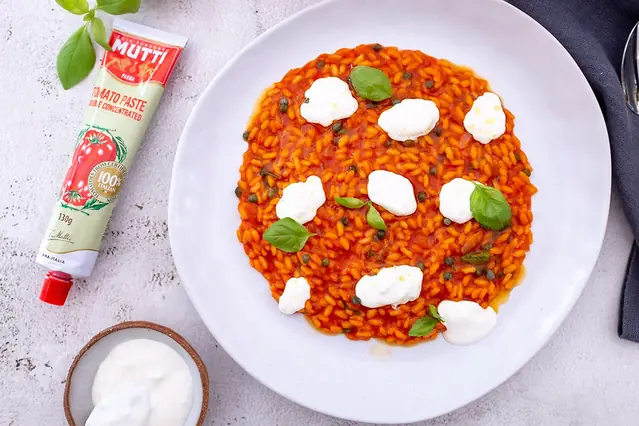
Also referred to as passata (once it has been blended smooth), this rich and flavoursome tomato sauce is put to use in pastas, stews, and soups or on pizza bases. The tomatoes are roasted to intensify their flavour, and this sauce can be eaten as is – rustic and chunky – or blitzed in a food processor.
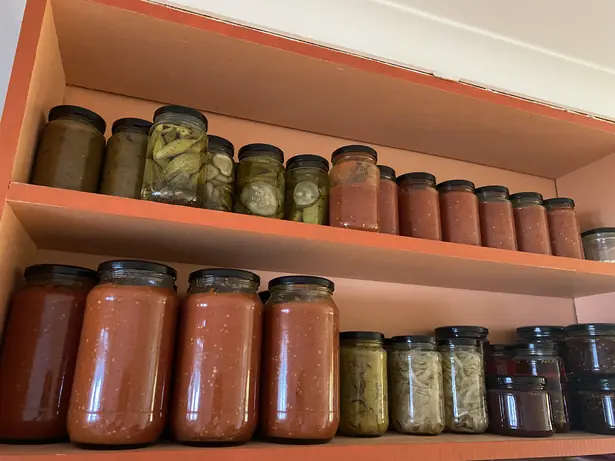
If you have a mouli, use it now! It removes the skins and seeds from your sauce, which can be bitter, and transforms your roasted tomatoes into a traditional Italian-style passata. This sauce freezes really well or, if you’re a preserver, bottle it and follow the instructions below to make it safe to store in the pantry.
This batch makes up to 1.5 litres of sauce, so halve, double, or triple as needed.
Ingredients 7
Your new home
for cooking
Turn your recipe chaos into a plan for the week.
Browse 1000+ inspiring creator recipes
Unlimited recipe import from social media, blogs and more
Generate shopping lists and meal plans in seconds with AI
Method 10
Preheat the oven to 180°C (350°F/Gas mark 4).
Place the , cut-side up, on two baking trays, along with the and . Drizzle the over the top and season with the and , then mix well with your hands.
Roast for up to 45 minutes, or until the are blistered and the is starting to soften and brown. Remove the trays from the oven and set aside to cool for 15 minutes.
Tip everything into a bowl and, once cool enough to handle, squeeze the out of their skins and mix through the and , breaking everything up with a fork. Add the if you want some extra flavour.
You can serve the sauce as is, tossed through hot pasta, or blitz in a food processor for a smooth consistency, or run the mixture through a mouli. If you want your passata to be thicker, slowly simmer it in a saucepan over low heat until it reaches your desired consistency.
For pizza sauce, reduce the sauce even further until thick and rich.
The sauce will last for 4-5 days in the fridge or up 3 months in the freezer.
To preserve your passata, follow the instructions to sterilise jars or bottles. Then using a funnel, fill the hot jars up to the thread with the hot passata (reheat it if necessary). Wipe the rim with a clean cloth and seal. Heat-process the jars, following the instructions below, for 1 hour and then store in a cool, dark place for up to 1 year.
To Sterilise Jars
You'll need 3-4 x 500ml jars or bottle with metal lids. To sterilise jars or bottles, give them a wash in hot soapy water and a good rinse or run them through the dishwasher, then place them upright in a baking dish in a cold oven. Heat the oven to 110°C (225°F) and, once it has reached temperature, leave the jars in the oven for about 10–15 mins, or until completely dry, then remove them carefully. Lids should boiled in water for 5 minutes, or run through the dishwasher and then left to air-dry.
To Heatprocess
Get the biggest pan you have, such as a stockpot, and put it on the stovetop. Lay a folded tea towel in the bottom of the pan, then sit your filled, lidded jars on the tea towel. Make sure your lids aren’t on too tight! Pour in enough warm water to cover the jars, either completely or at least until three-quarters submerged. Bring to the boil over medium heat and simmer for 1 hour. Carefully remove the hot jars from the water using preserving clamps or a very thick cloth. Line your jars up on the benchtop and let them sit overnight. As they cool, a vacuum will form inside each jar and suck down the lid, sealing them securely. These jars can be safely stored in the pantry for up to 1 year. Once opened the passata will need to be used with 3-4 days.

Cornersmith's tips
Having passata in the freezer or pantry means dinner is on its way. You can combine the sauce with chicken or beef stock and you'll have a delicious tomato soup, add some cooked pasta and veggies and it turns into minestrone. Add the passata to curries and slow-cooked stews.
Helpful tips
Why do you roast the tomatoes for this sauce?
What is the benefit of using a mouli for this sauce?
How can I make the sauce thicker?
Can I add other herbs or spices to this roasted tomato sauce?
Notes
2