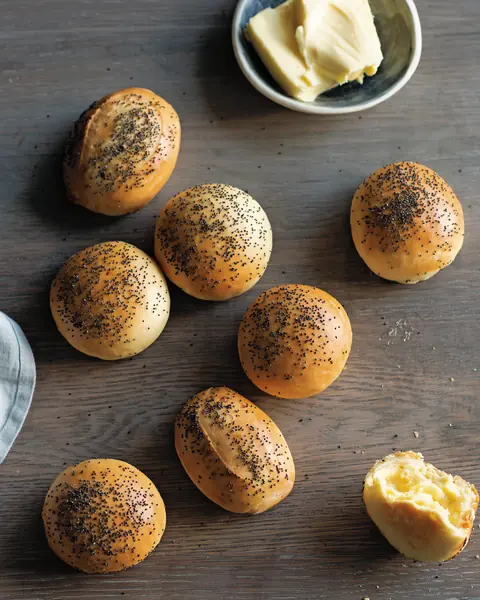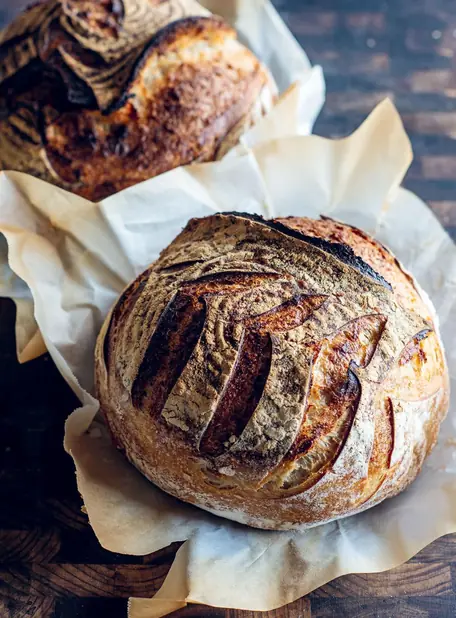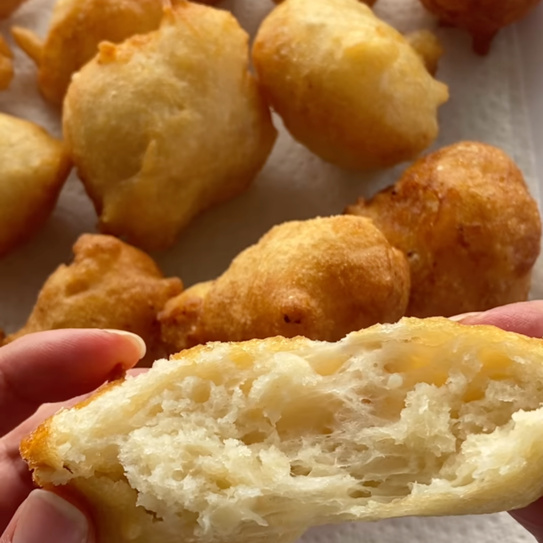
Potato rolls are, for me, the ultimate dinner roll, and they’re a pretty easy entry into the world of breadmaking. This isn’t one of those overnight, complex-flavoured sourdoughs; it’s a simple, soft, moist and slightly sweet roll that can be made in a few hours. They’re a Thanksgiving staple at my house, and I’m sure they will become an Aussie barbecue staple. They’re a real crowd pleaser and great for a sandwich the next day. Choose a potato with yellow, starchy flesh, such as Dutch cream or Yukon gold.
Makes approx. 28–30 dinner rolls
Ingredients 11
Your new home
for cooking
Turn your recipe chaos into a plan for the week.
Browse 1000+ inspiring creator recipes
Unlimited recipe import from social media, blogs and more
Generate shopping lists and meal plans in seconds with AI
Method 12
Put the whole, cleaned into a pot of cold salted water and bring to the boil. Cook until tender (a knife inserted in the centre of a potato should come out easily). Remove the potatoes but reserve 115 ml (4 fl oz) of the cooking water for the dough. Try to keep it warm and add 1 teaspoon of caster sugar to it. When the potatoes are cool enough to handle, peel then mash them with a fork, potato ricer or a mouli, and measure out 250 g (9 oz). Leave the mash to cool to nearly room temperature.
Separately, dissolve the in the and set aside for 5 minutes. If the yeast becomes foamy, you’ll know it’s still active. If you’re confident that your yeast is fresh, you needn’t wait the 5 minutes, but if you’ve pulled it from the back of the cupboard after God knows how long, wait and make sure it goes foamy.
In the bowl of a freestanding electric mixer fitted with the paddle attachment, mix the mashed , , , , and . Mix on low speed for about 1 minute. If you’re not using a mixer, beat with a wooden spoon for 2 minutes.
Warm your slightly and add the yeast mixture. Stir to combine. Next, add this mixture to the potato mixture and mix on low speed until blended (or use a spoon).
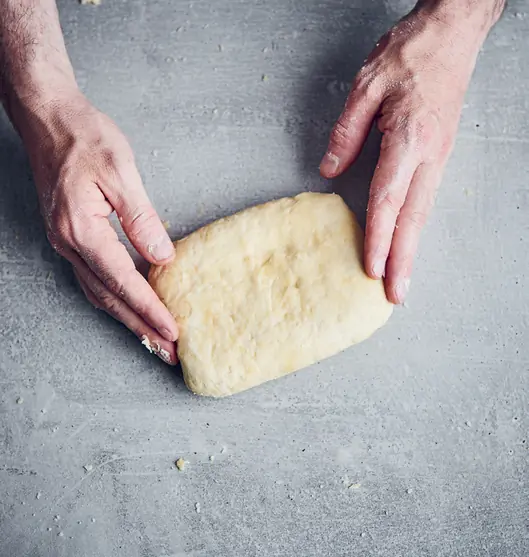
Gradually add the to the potato mixture, one cup or handful at a time, until a soft dough forms. You may not use all the flour; moisture in the air and the type of flour you use all affect how much you need.
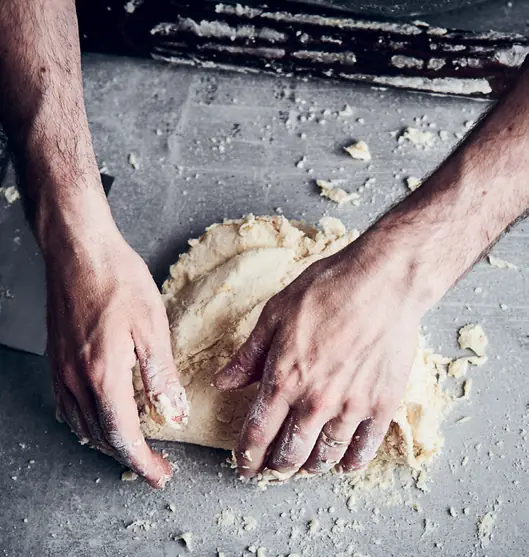
If you’re using a machine, switch to the dough hook attachment and knead for about 5 minutes at low speed. If working by hand, knead the dough for 7–8 minutes.
Once the dough is soft and elastic, place it in a lightly oiled bowl. Put the bowl in a slightly warm place, covered with a damp tea towel (dish towel) and leave until it’s doubled in size. Keep checking it every 20 minutes; it may take an hour or two.
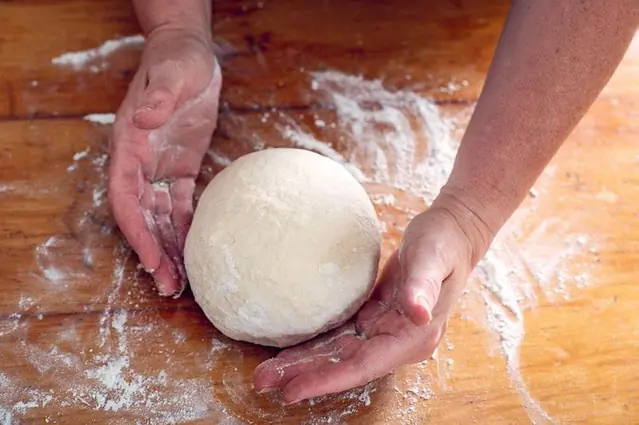
Once the dough has doubled, punch it down and weigh into 50 g (1¾ oz) balls. To shape them, place the dough balls on a lightly work surface. Cup your lightly floured hand around a ball and begin to make circular movements (use your dominant hand and either go counter-clockwise with your right hand or clockwise with your left. When you get really good, you can do this with both hands simultaneously). Press down on the heel of your hand to lightly catch that bit of dough underneath it, creating some tension that will pull the dough mass into a smooth round ball.
Place the rolls 1.5–2 cm (½–¾ in) apart on baking trays lined with baking paper. Brush the tops of the balls generously with melted , cover with a damp cloth and leave to rise again in a warm spot until doubled in size. This may take 30 minutes to 1 hour.
Preheat the oven to 200°C (400°F).
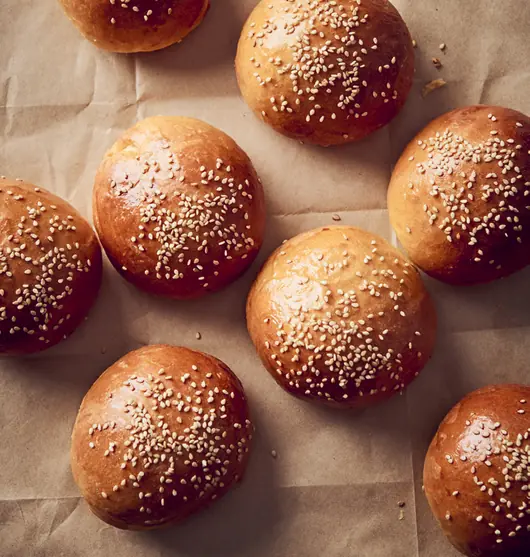
Once doubled in size, sprinkle with coarse, and you’re ready to bake. Bake for about 15–20 minutes, or until puffed and beautifully golden.
Remove from the oven, brush with a little more and serve straight away. They’re amazing hot out of the oven, but will also stay soft and be delicious at room temperature.

Danielle Alvarez's tips
I have given instructions for making this recipe with a freestanding electric mixer with a dough hook, but if you don’t have a machine, do it by hand. It takes a little bit longer, but you will be able to feel the dough and better understand what ‘knead until it comes together’ or ‘mix until fully incorporated and not sticky’ means. These are all principles that will help you in making other types of bread.