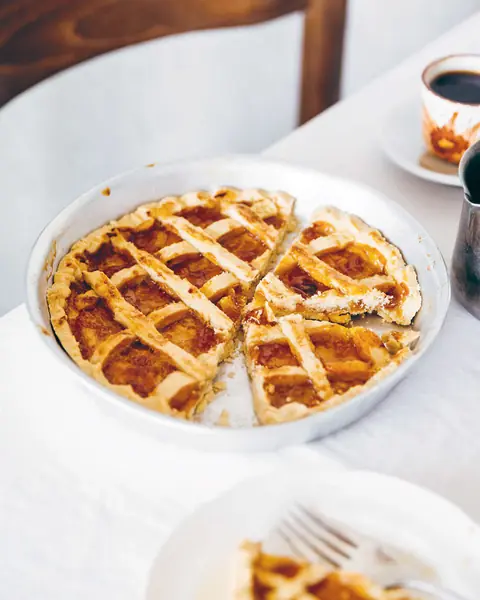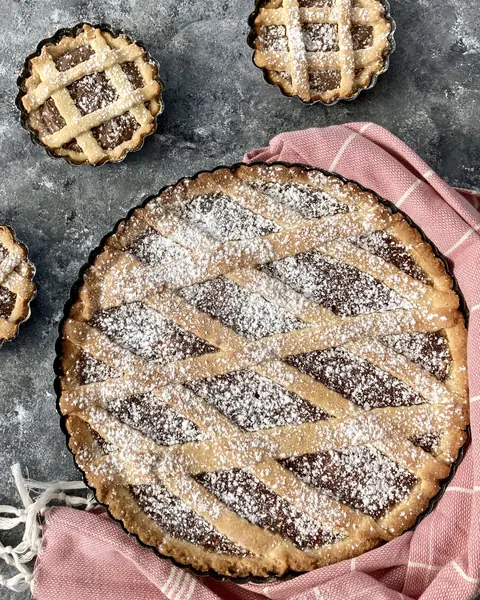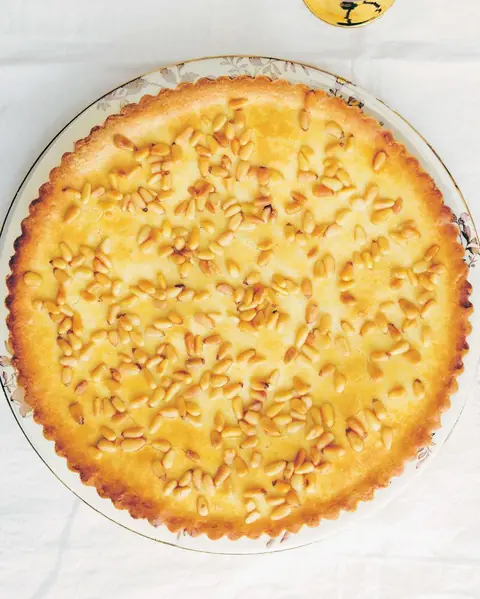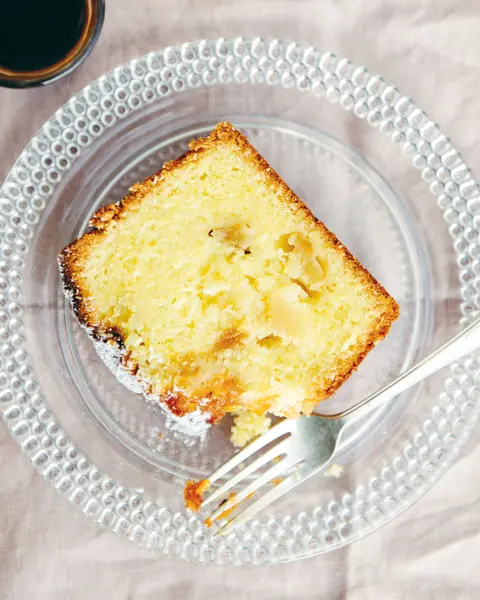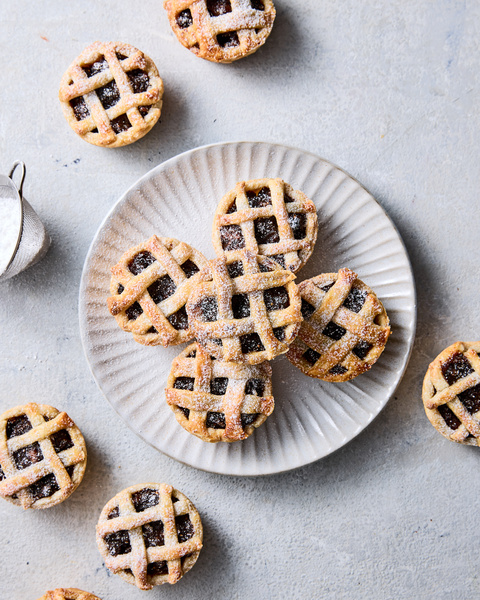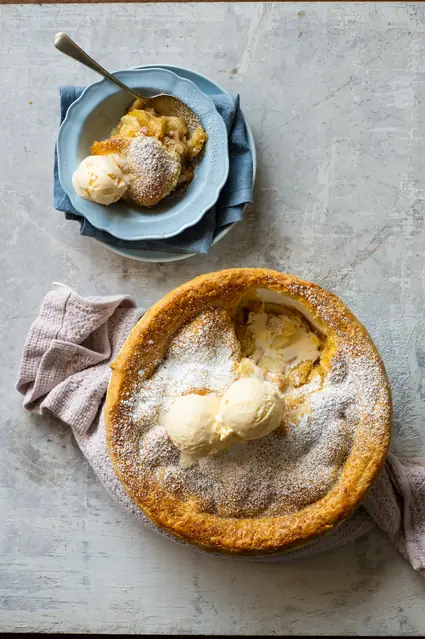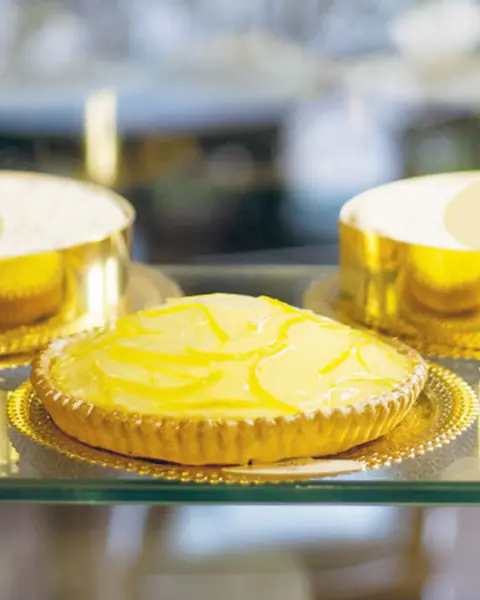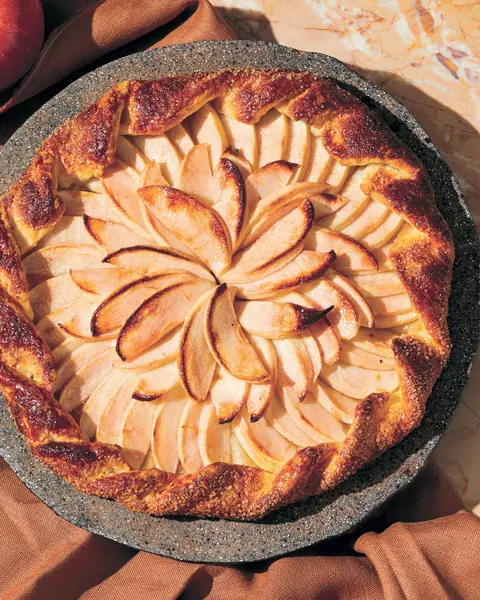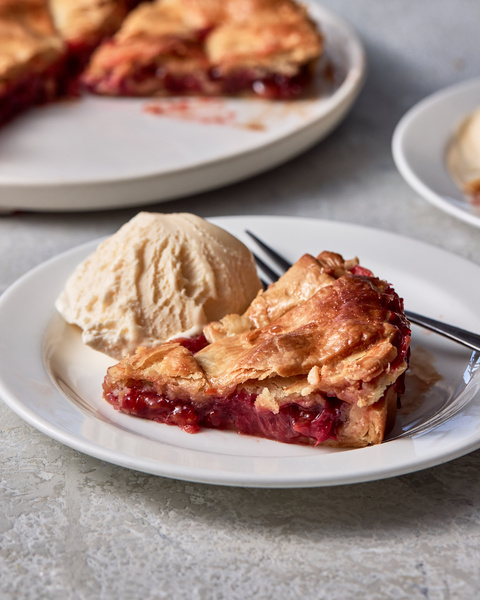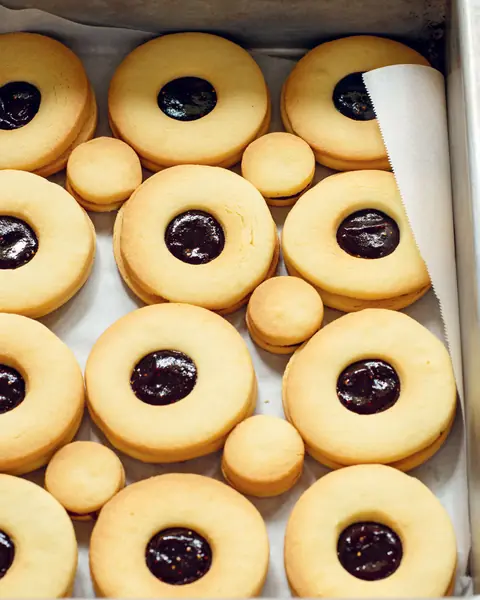
This is a classic recipe for the simplest jam tart pastry with an almost cake-like crumb. Both this jam recipe and pastry recipe are adapted from Pellegrino Artusi’s 1891 cookbook, Science in the Kitchen and the Art of Eating Well.
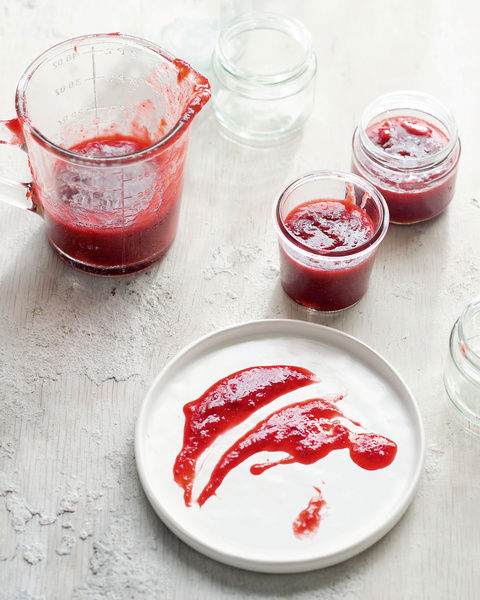
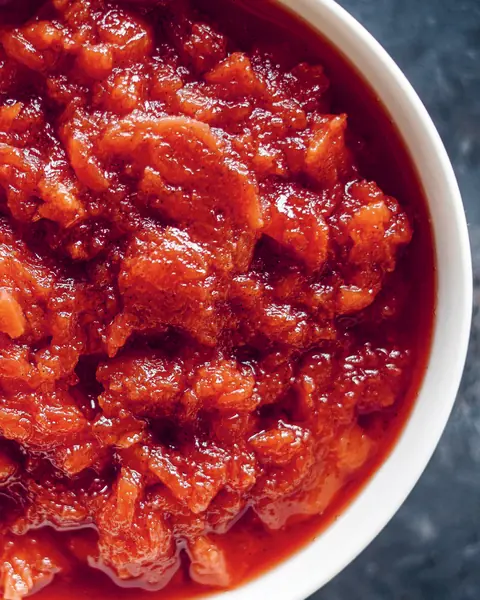
Crostata di marmellata is usually made with either blackberry or apricot jam. This silky smooth apricot jam is Artusi’s own favourite out of all fruit jams and is ideal for piping into homemade cornetti or bomboloncini, or for gliding onto a sweet shortcrust pastry base for a crostata di marmellata. You could also substitute peaches for apricots, especially those blushing-rose peaches with yellow flesh. Otherwise, this crostata can be made in a pinch with 250 g (9 oz) of your favourite ready-made jam and by simply following the recipe for the pastry crust.
Ingredients 7
Jam
Sweet Shortcrust Pastry
Your new home
for cooking
Turn your recipe chaos into a plan for the week.
Browse 1000+ inspiring creator recipes
Unlimited recipe import from social media, blogs and more
Generate shopping lists and meal plans in seconds with AI
Method 12
Jam
Halve the and remove the pits. Put them in a heavy-bottomed saucepan over a low heat, stirring occasionally so the fruit doesn’t stick to the bottom of the pan.
As the pan heats, the will release their own juices and the fruit will begin to simmer. Let the apricots simmer for approximately 30 minutes, stirring occasionally, or until the fruit is completely soft.
Pass the mixture through a food mill or a very fine sieve over a bowl to remove the skins for a smooth fruit purée.
Place the purée back in the saucepan over a low heat and add the . Heat and stir until the sugar dissolves.
Turn the heat up to medium and let bubble until the jam reaches the consistency desired. If you let this go quite a while, you will get a harder set jam, but even just a short 10 minutes will give you a nice soft set jam, which is just right for this crostata.
Pastry And Assembly
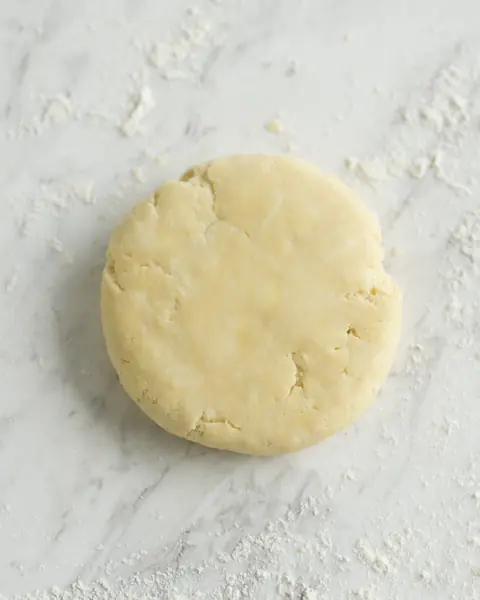
Chop the cold into small pieces. If using a food processor, pulse the , and butter until you have a crumbly, sandy texture and there are no more visible pieces of butter. If mixing by hand, rub the butter into the flour and sugar until you achieve the desired result. Mix in the beaten and extra yolk along with the , until the pastry comes together into a smooth, elastic ball.
Wrap tightly in plastic wrap and rest in the fridge for at least 30 minutes.
Preheat the oven to 180°C (360°F). Grease a 23 cm (9 in) pie dish.
Divide the dough into two pieces, one slightly larger than the other. Roll this larger piece out to about 3 mm (1/8 in) and press into the pie dish.
Roll out the rest of the pastry and with a pastry cutter or sharp knife, cut long strips about 2 cm (3/4 in) wide.
Fill the pie base with jam and criss-cross lattice strips over the top. If you like, use the leftover egg white to brush over the top of the pastry for some shine.
Bake in the oven for about 25 minutes or until golden brown.

Emiko Davies's tips
The best test for the jam set is the frozen saucer test. Place a saucer in the freezer and when you want to test how set your jam is, place a teaspoon-sized blob of hot jam onto the cold saucer. Turn it sideways to see how it dribbles and wobbles. For me, this jam is ready when it slides slowly but decisively and wrinkles when poked.