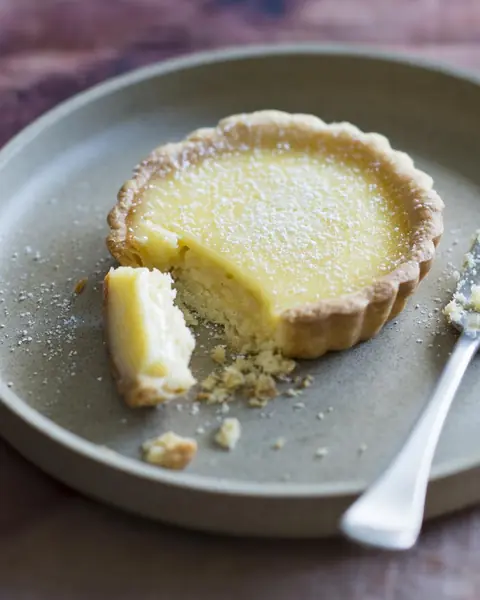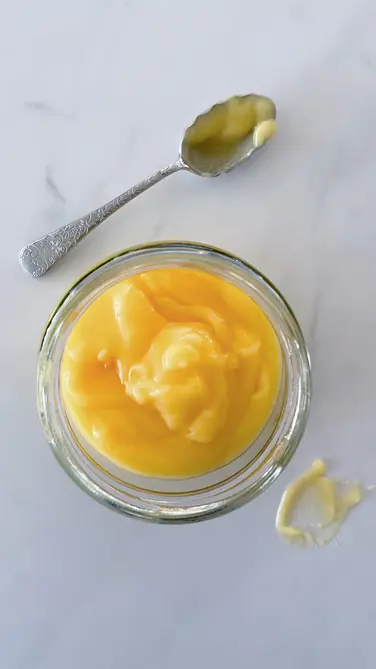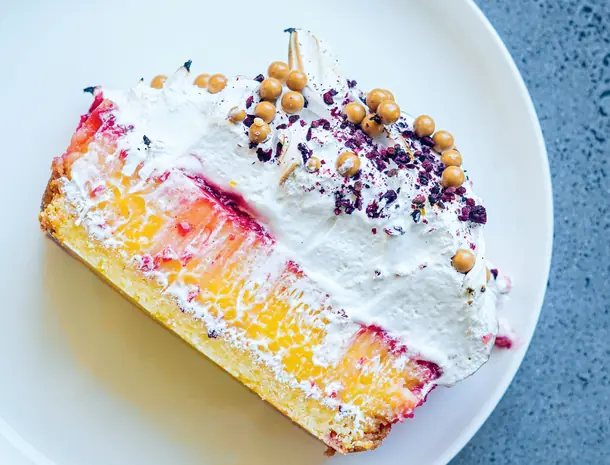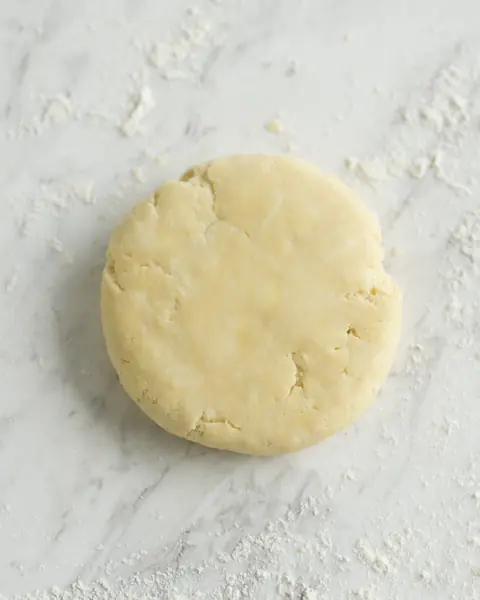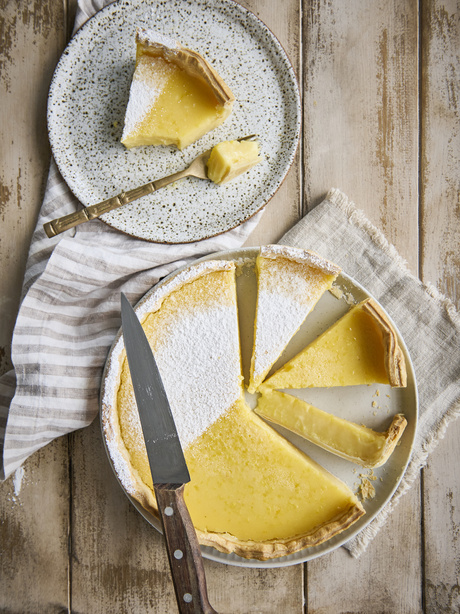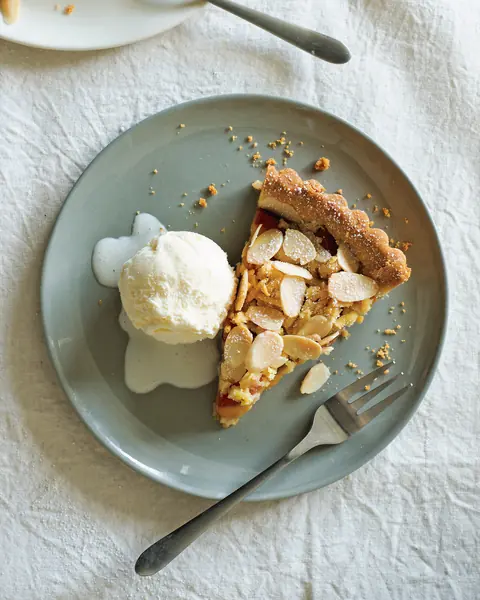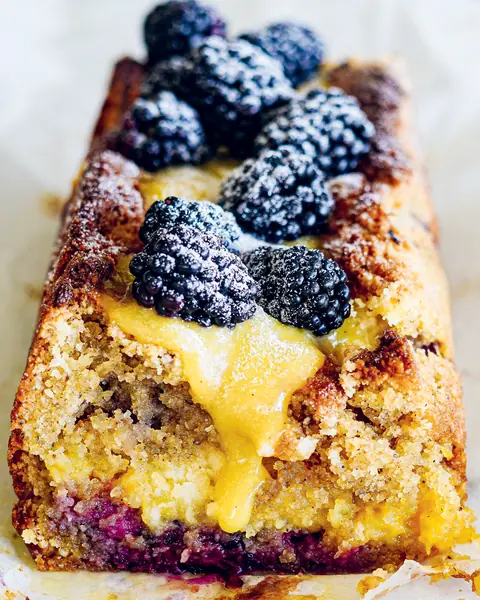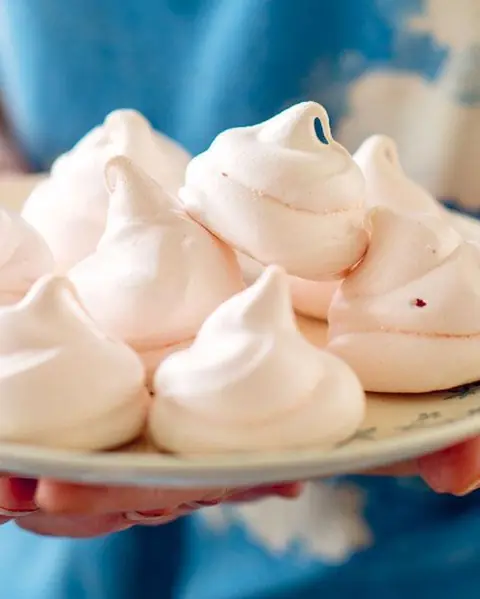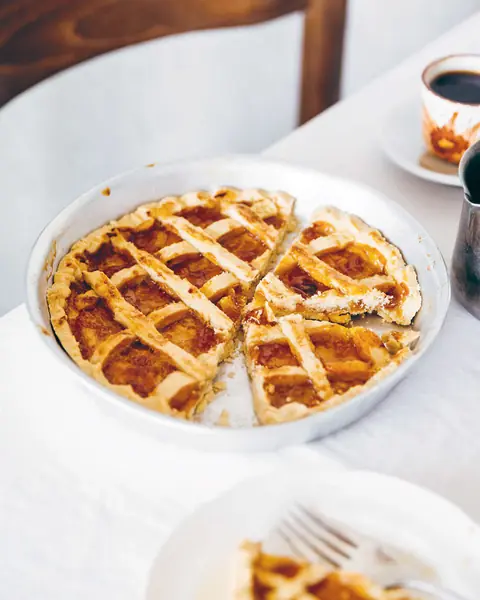
I love how this showcases Lemon curd in all its sweet, mouth-puckering glory. It’s bright, tart and citric with a soothing, buttery-sweet finish – a complete showstopper. Should you feel the need to use a store-bought sweet shortcrust pastry, I commend you. I have simply included the pastry-making details here because, for some of us, we need the therapy of kneading and resting dough. This is a completely personal (time-dependent) choice.
Serves 8–10
Ingredients 17
Pastry
Lemon Curd Filling
Cardamom Raspberry Layer
Italian Meringue
To Top
Your new home
for cooking
Turn your recipe chaos into a plan for the week.
Browse 1000+ inspiring creator recipes
Unlimited recipe import from social media, blogs and more
Generate shopping lists and meal plans in seconds with AI
Method 17
Preheat the oven to 180˚C (360˚F).
For the pastry, put the , and in a bowl and mix well to combine.
Add the , one at a time, until incorporated. Fold through the until just combined.
Turn out onto a clean work surface and gather together. Knead until the ingredients are incorporated.
Shape the pastry into a round, flat disc. Cover and refrigerate for at least 2 hours (or freeze for future use).
Remove the pastry disc from the fridge 20 minutes before using. Roll the pastry between two sheets of baking paper until 3 mm (1/8 in) thick. Place on trays and refrigerate again for at least 20 minutes.
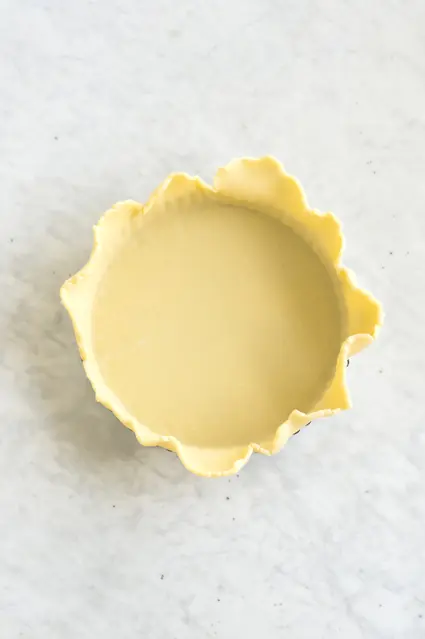
Grease and line a rectangular flan (tart) tin. Gently place the rolled pastry over the top and push it into the tin, trimming the sides. Pop the tin in the fridge for 20 minutes.
Remove the tin from the fridge, top the pastry with baking paper, then fill with pastry weights or uncooked rice. Blind bake for 20–25 minutes or until golden around the edges. Remove the weights or rice and return the pastry to the oven for a further 10 minutes – it should have a lovely tanned appearance. Remove from the oven and allow to cool.
Place the in a bowl of iced water to bloom.
While they are softening, place a saucepan over low heat. Add the and begin to warm it – you don’t want to cook it, you just want to warm it enough to dissolve the gelatine. Once warm, add the bloomed and whisk until the gelatine is fully incorporated.
Carefully pour the filling into the cooked, cooled pastry shell and smooth the top using the back of a spoon. Place in the fridge for 30–45 minutes or until completely cooled and just set – it should be wobbly and slightly softer than a panna cotta in consistency.
For the cardamom raspberry layer, mash the , and in a bowl with a fork until the juices are released. Gently spread the raspberry mixture over the lemon curd filling.
For the Italian meringue, place the and in a heavy-based saucepan, and stir over low heat until the sugar dissolves. Increase the heat to high and cook until the syrup reaches 115˚C (240˚F) on a sugar thermometer, then remove from the heat.
Meanwhile, using an electric mixer, whisk the until soft peaks form, then, with the motor running, slowly pour in the hot sugar syrup in a steady stream and whisk for 5 minutes or until the bowl no longer feels warm to the touch. Reduce the speed to low and mix until the meringue reaches room temperature.
Scoop the meringue mixture onto the pie and gently use your spoon to create peaks and troughs – the less uniform, the better – as it helps to catch the flame when you torch it.
Use a blowtorch to toast the meringue until golden (optional).
Scatter with the , , and and serve.

Katrina Meynink's tips
Serves 8-10.