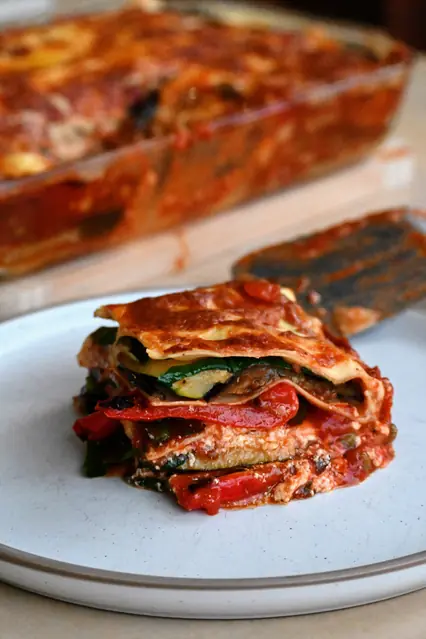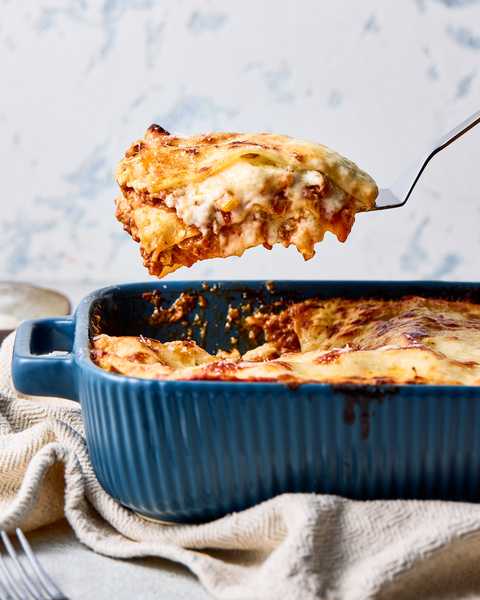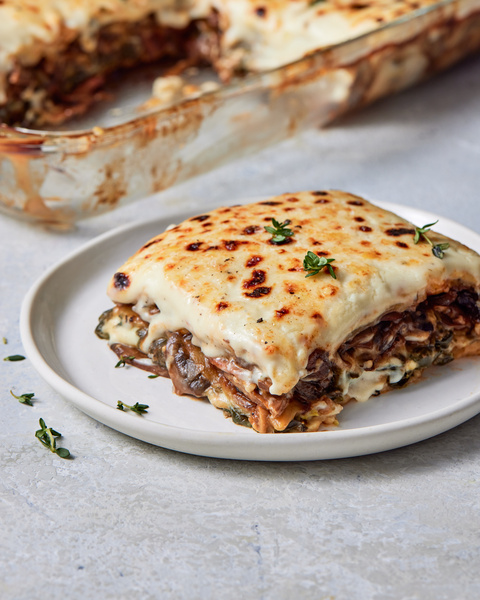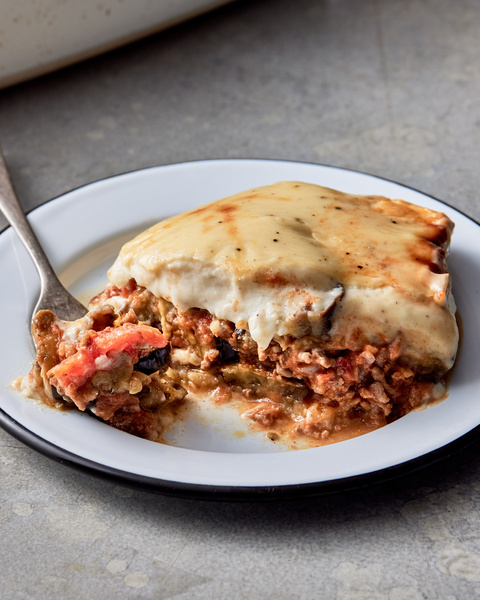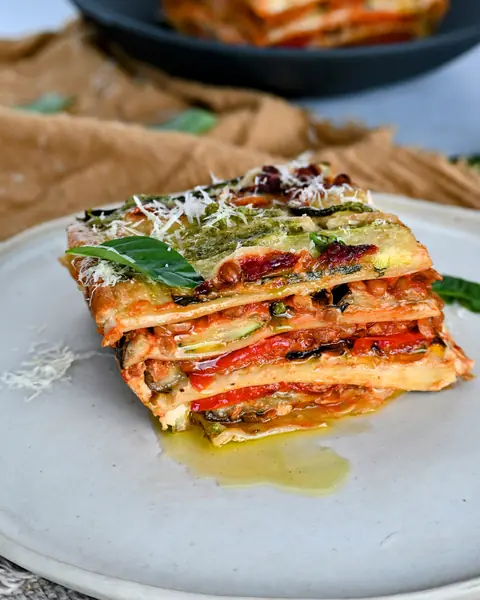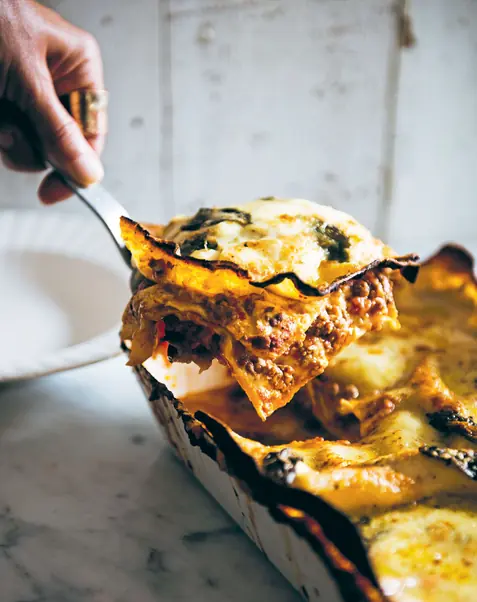
This lasagne is gobbled up every time it hits the table and it appears the kids haven't cottoned on to the fact that it's full of their most-hated vegetables - eggplants and zucchini!
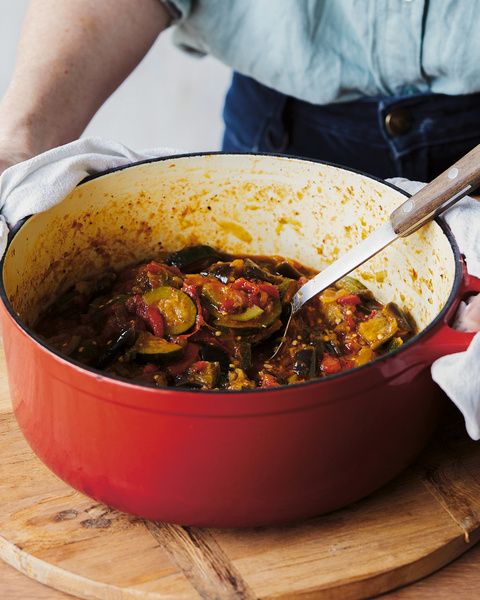
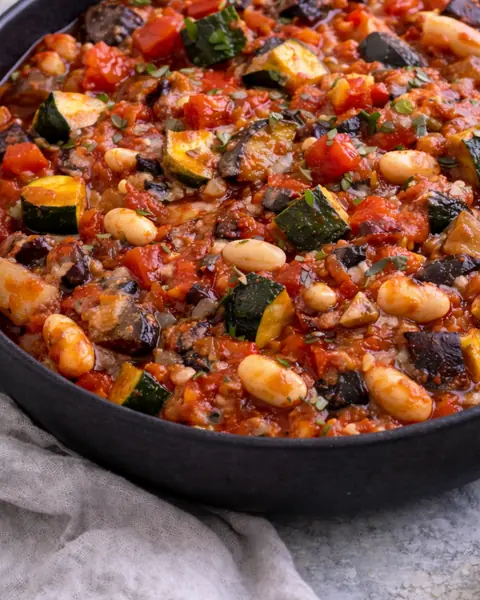
The base is a ratatouille, which you need about 3-4 cups of. We suggest making a big batch of ratatouille on the weekend and then make this lasagne a day or two later. Most of the work is done, so all you need to do is assemble and cook.
You can leave the ratatouille nice and chunky, or blitz it in the food processor if you're trying to disguise any vegetables.
Ingredients 15
Ratatouille
Bechamel
To Assemble
Your new home
for cooking
Turn your recipe chaos into a plan for the week.
Browse 1000+ inspiring creator recipes
Unlimited recipe import from social media, blogs and more
Generate shopping lists and meal plans in seconds with AI
Method 13
Preheat the oven to 180°C (350°F/Gas mark 4).
Rattatouille
If you're using eggplants, cut them into 3–4 cm chunks, then place in a bowl and sprinkle with salt, using 1 teaspoon of salt per eggplant. Mix well and set aside. Thinly slice the capsicums and cut the zucchini into thin rounds.
Heat the in a flameproof casserole dish over medium heat and sauté the and capsicums for 20 minutes until soft and sweet. Add the minced , salt, the pepper and herbs and sauté for another minute.
Tip the eggplant in a tea towel and give it a good scrunch to remove the salt and liquid, then add to the dish and sauté for 5-7 minutes. Add the zucchini and , mix well, then cover. Reduce the heat to the lowest setting and gently cook for 30 minutes.
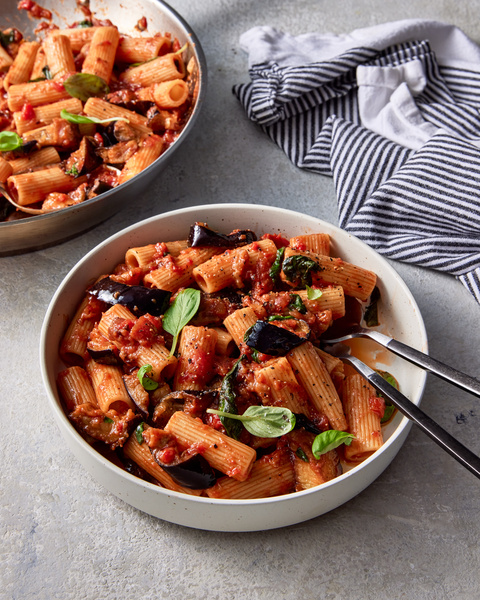
Remove the lid and give everything a good stir. It's up to you when you want to stop cooking the ratatouille: 30 minutes will give you a light, fresh summer stew, while another 30 minutes or more will result in a rich colour and deep flavour as the vegetables start to fall apart and meld into each other. A final 15-30 minutes of cooking, uncovered, will thicken the ratatouille, which works well if you're looking to use it as a pasta sauce or lasagne filling.
Before turning off the heat, taste and stir through more salt and if needed.
Place the ratatouille in a food processor and blitz to suit who you are feeding. A complete purée disguises all the vegetables and creates a smooth and decadent lasagne, while a chunkier vegetable mixture will give you a hearty, more rustic-looking lasagne.
Bechamel
In a small saucepan, warm the until just below simmering point - the surface will start to steam - then turn off the heat. Grate the , you should have about 3/4 cup.
In a medium sized saucepan, melt the over low heat. Slowly add the , stirring often with a wooden spoon to make a paste (roux). You want the paste to stay pale in colour and not brown, so only cook for a minute or two.
Once the paste has thickened, slowly add the warm , 1/2 a cup at a time, stirring constantly with a whisk until well combined. As the mixture thickens, add more milk until you have a thick white sauce. Continue stirring until the sauce thickens enough to coat the back of your spoon.
Turn off the heat, add the , and and stir well to melt the cheese.
To Assemble
Lightly oil a 20 cm (8 inch) square baking dish. Then layer , ratatouille and cheese sauce until the dish is full and all the elements are used up. You may have left over rattatouille. Finish with a layer of cheese sauce and a little grated .
Cover with foil and bake in the oven following the lasagne packet instructions, uncovering for the last 10 minutes of cooking to get a nice golden top. Serve with a green salad.