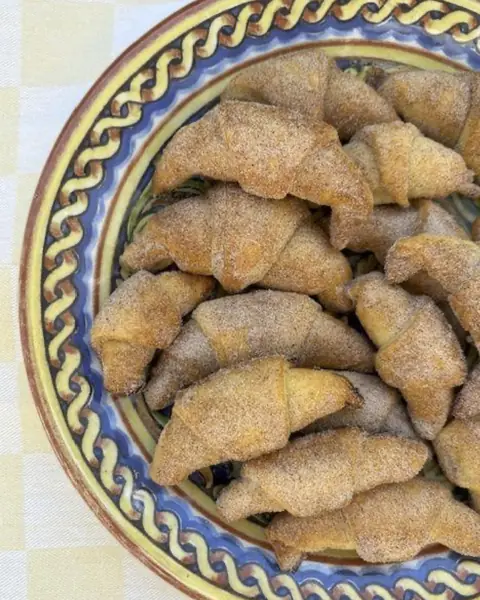
Cenci literally means ‘rags’, which describes the crimp-edged, twisted shapes of this deep-fried pastry that appears in Florentine bakery shop windows during the wintery month of Carnevale (Carnival). Many Tuscans get that nostalgic look in their eye when they eat cenci, as it’s a reminder of dressing up in masks and costumes as a child and biting into these warm, crunchy pastries.
Makes about 25 cenci.
Ingredients 8
Your new home
for cooking
Turn your recipe chaos into a plan for the week.
Browse 1000+ inspiring creator recipes
Unlimited recipe import from social media, blogs and more
Generate shopping lists and meal plans in seconds with AI
Method 5
Sift the , and into a bowl. Make a well in the centre and add the , the , and , and beat with a fork, starting from the centre and moving out to incorporate the flour. Finish with your hands to make a compact ball of dough. Wrap the dough in plastic wrap and let it rest for at least 30 minutes.
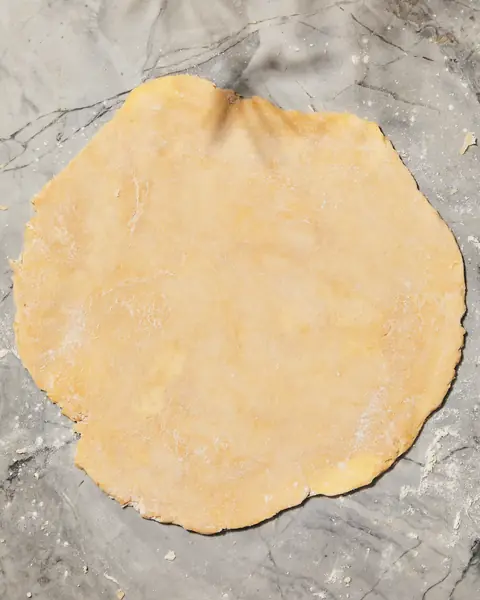
Roll out the dough on a lightly floured work surface to 2–3 mm (1/8 in) thickness. With a frilled-edge pastry cutter, cut strips of dough about 2.5 cm (1 in) wide and 10 cm (4 in) long.
Heat enough in a saucepan so that the dough will float. If you have a sugar thermometer, use it to determine when the oil reaches 150°C (300°F). The dough needs to fry evenly, not too fast and not too slow. You can test with small pieces of leftover pastry dough – the oil is ready to use when the oil starts to bubble immediately, surrounding the dough entirely with tiny bubbles.
Deep-fry the cenci in batches, twisting them or knotting them as you drop them carefully in the hot . Cook for about 20–30 seconds per side until a golden-caramel colour. Remove with a slotted spoon and leave to drain on paper towel. They should not be oily or greasy at all, but crisp and dry.
Dust with plenty of while hot and serve warm or cold with a small glass of vin santo. These are best eaten the day they are made.

Emiko Davies's tips
Traditionally these are fried in lard, which is an excellent medium for frying for its non-greasy results (despite what many mistakenly think). A not-so-fruity olive oil is the next best choice, but try to avoid using peanut oil. Alchermes, a centuries-old Florentine liqueur, lends the pastry a slightly spiced perfume but you could substitute rum or vin santo or, as Artusi does, even grappa.