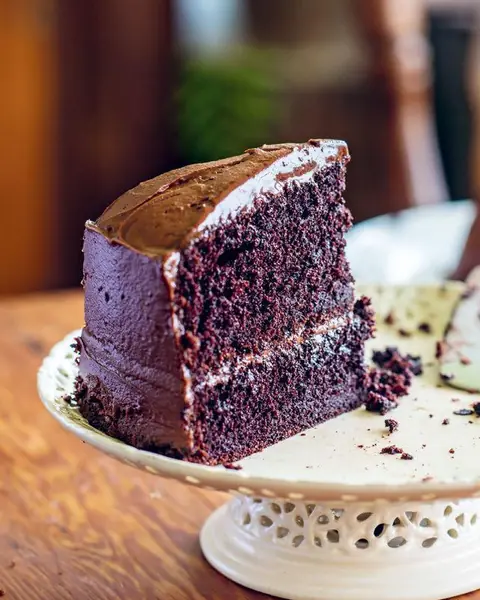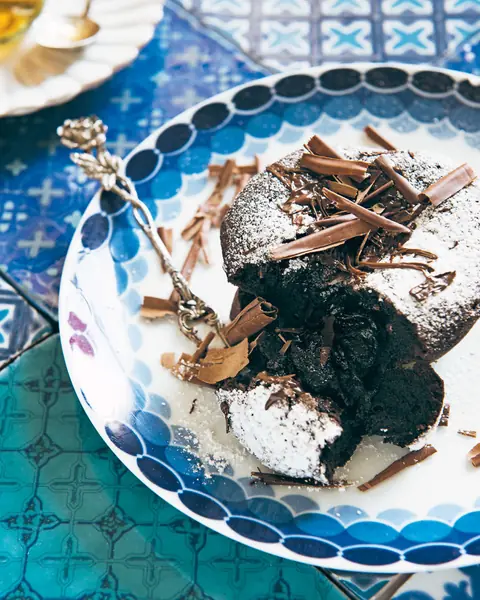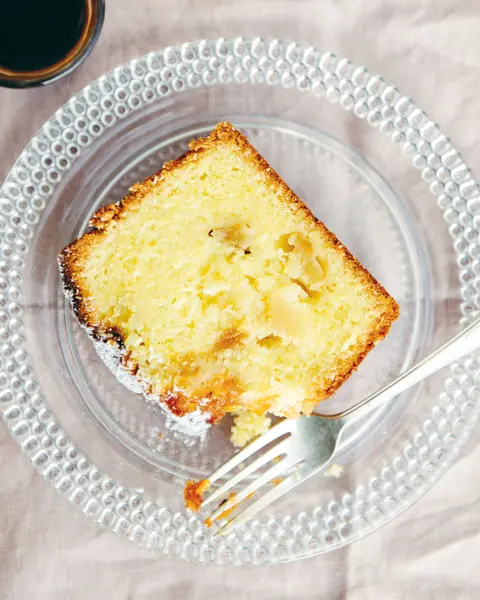
Tronco is a favourite cake along the Tuscan coast and you find it all the way to the very top part of the Maremma, the Etruscan coast, in Cecina. It literally means ‘log’ or ‘trunk’, and is almost always stained pink with Alchermes and filled with a rich chocolate cream or even chocolate-hazelnut spread. I find the latter too sweet and rich, and prefer it with a dark chocolate pastry cream.
The sponge recipe, one of my favourites, is slightly adapted from my friend Emma Gardner’s recipe – she is much more technical than me in the pastry department and I have simplified it somewhat, but it’s the recipe I use most. I even make this tronco for Christmas. I double the recipe for two rolls and turn them into a yule log, decorating with a thick, chocolate icing, crumbled meringue for snow and candied rosemary.
Makes 1 sponge roll.
Ingredients 9
Chocolate Pastry Cream
Sponge
Your new home
for cooking
Turn your recipe chaos into a plan for the week.
Browse 1000+ inspiring creator recipes
Unlimited recipe import from social media, blogs and more
Generate shopping lists and meal plans in seconds with AI
Method 14
Chocolate Pastry Cream
For the pastry cream, melt the either in a microwave or over a bain marie (double broiler).
Use an electric mixer to whisk the and together until pale. Stir in the .
Put the mixture in a saucepan over low heat and slowly add the , little by little. (If your lowest burner is still quite aggressive, do this over a bain marie or double broiler so the eggs don’t curdle from being heated too rapidly.) Stir continuously with a wooden spoon or silicone spatula until the mixture becomes smooth and thick and coats the back of a spoon, about 10 minutes.
Remove from the heat and stir through the melted chocolate. When it is smooth and well combined, cool quickly by spreading the pastry cream out into a shallow, flat container such as a glass lasagne dish or baking tray. Place a layer of parchment paper right over the top of the pastry cream, so the entire surface is in contact with the paper. This will ensure the pastry cream doesn’t develop a skin. Keep in the refrigerator until needed.
Preheat the oven to 160ºC (320ºF) and line a 23 x 33 cm (9 x 13 in) baking tray with baking paper.
Sponge
To make the sponge, sift the and together. Put the separated in two clean metal or glass mixing bowls, yolks in one and whites in the other. Whisk the egg yolks and the with an electric mixer or electric egg beaters for up to 10 minutes, or until the yolks become very pale and creamy.
Clean the beaters very well, then whisk the until stiff peaks form. To the creamy egg yolks, gently fold in half of the whites and then half of the , and repeat with the remaining whites and flours until they are all combined.
Pour the batter into the lined baking tray – the batter should be about 1 cm (½ in) high. (You can also use a flat tray and spread the batter out to the size you like with a palette knife.) Bake in the oven for about 10–12 minutes, or until the top is very pale golden and springy in the middle.
Remove the sponge from the oven and let it cool ever so slightly so you can handle it easily – you still want to work with it while it’s warm.
Spread out a sheet of parchement paper or a clean tea towel and scatter it evenly with the (this helps to stop the sponge from sticking. Gently turn the sponge upside down onto the plastic wrap. Remove the baking paper to reveal a spongy soft cake. With a bread knife, trim the edges – this will stop the sides from cracking as they roll.
Then, with a pastry brush, stain this side of the sponge evenly with (see note for non-alcoholic version). You may have to do a couple of ‘coats’ for a bright pink.
Take the cooled pastry cream out of the refrigerator and generously spread it over the top of the pink sponge so that it is about 1.5 cm (½ in) thick, smoothing out evenly and leaving a 1 cm (½ in) border around the edges.
The rolling part is rather like rolling sushi, if you’ve done it. The tricky part is really in starting the roll – the rest is all about the right amount of pressure (not too tight, but not too loose). Picking up the short end of the sponge with the help of the parchment paper or tea towel, carefully roll the entire thing up firmly and then secure by wrapping completely in the parchment paper or tea towel. Keep in the fridge to chill for 1 hour or overnight.
Remove the parchment paper or tea towel carefully, dust the top with and serve in thick slices.

Emiko Davies's tips
If at any point you start to see lumps appearing in the pastry cream, remove the pan from the heat and stir vigorously. You can also strain out the lumps using a fine mesh sieve.