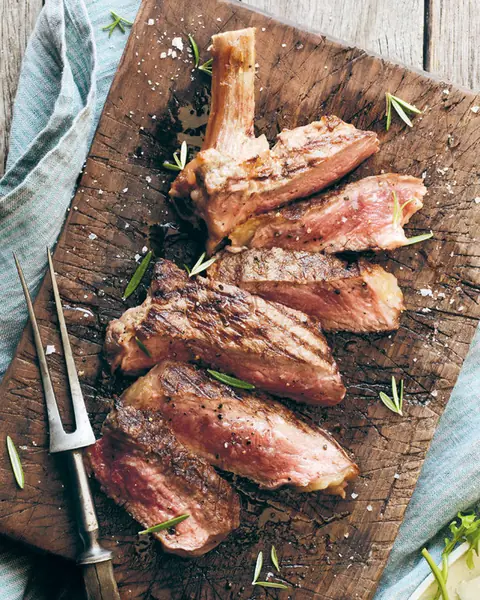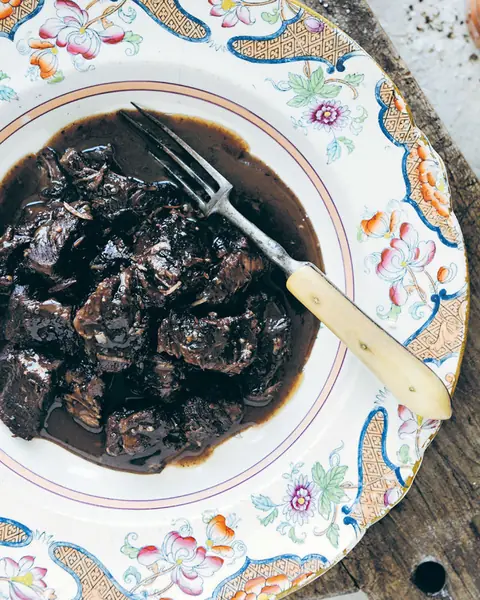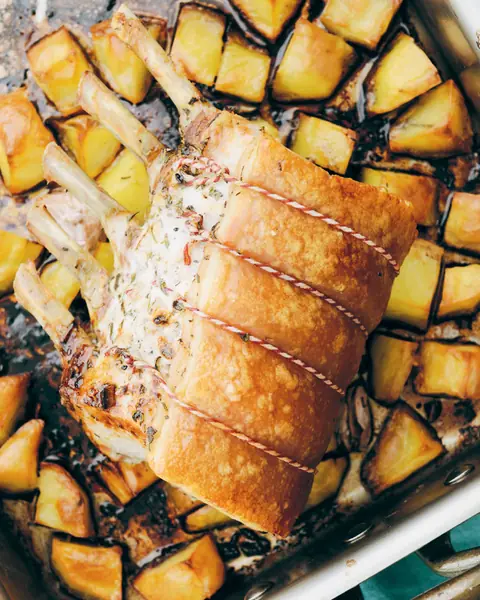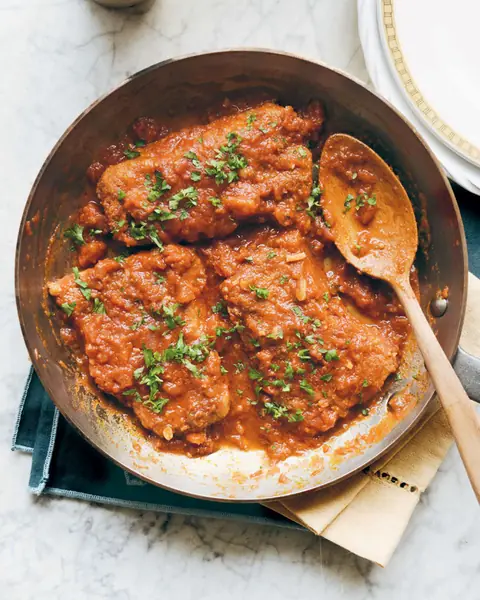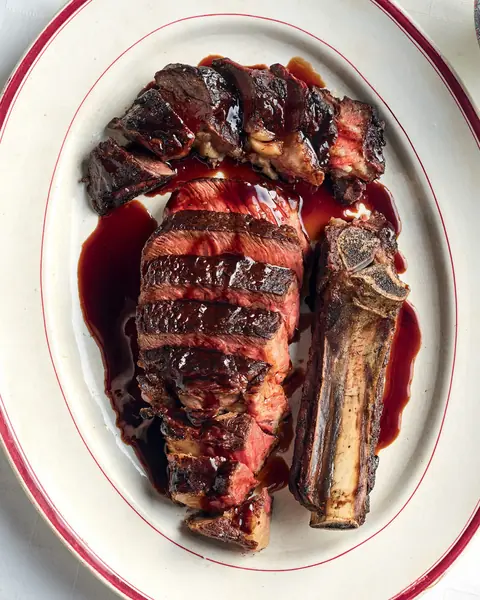
Bistecca, the enormous Florentine steak, impresses because of its size but is humbly and simply dressed in just salt and pepper, relying on the flavour and texture of particularly lean Tuscan beef to make it the hero of this city’s cuisine. I think it is best described by Aldo Santini, Tuscan gastronome and writer, who calls bistecca ‘the Giotto’ of the food world, referring to the medieval Florentine master who is considered the grandfather of the Renaissance.
Taking its name from the English word ‘beefsteak’, the preparation of bistecca supposedly dates back to at least the 1500s and there is a popular legend of grilled steaks being prepared for the Florentines by the Medici family in honour of the saint day of San Lorenzo, August 10, in the piazza of the church dedicated to the saint. Incidentally, San Lorenzo (Saint Lawrence) is also the patron saint of cooks. Grilled to death, during his execution he is reported to have said, ‘I’m done on this side, now turn me over and eat me!’ and is often depicted carrying his trademark grill. I can’t help but think that the steak grilling and the saint’s martyrdom are morbidly connected.
Tradition states that bistecca alla fiorentina should come from Chianina cattle, an ancient Tuscan breed and one of the world’s largest – mature bulls reach over 1.8 metres (nearly 6 feet) tall. These huge, white creatures were long used as working animals for their size and strength, but more recently they have become prized for their meat. While tasty, the beef is very lean and therefore has a tendency to become tough when cooked.
In a restaurant, bistecca alla fiorentina is always priced by weight and is usually the most expensive item on the menu, for good reason. It’s a sizeable steak and it is normally meant for at least two diners. A good trattoria or restaurant will cut the steak to order, based on the number of servings, and they will show you the steak before they cook it. A portion can be around 600–800 g (1 lb 5 oz–1 lb 12 oz), including the bone, so it’s not unusual to see the waiter bring out a hunk of meat weighing over a kilogram when it’s meant to be shared between two.
Ingredients 4
Your new home
for cooking
Turn your recipe chaos into a plan for the week.
Browse 1000+ inspiring creator recipes
Unlimited recipe import from social media, blogs and more
Generate shopping lists and meal plans in seconds with AI
Method 6
Remove the meat from the refrigerator 1 hour before cooking to bring it to room temperature. Do not season before cooking.
The bistecca is traditionally cooked over hot coals in a fireplace. A barbecue works well too, but a chargrill pan or a heavy-duty cast-iron frying pan on the stove top will suffice. For this quantity, you may need to cook one steak at a time. Keep one warm, covered with aluminium foil, until the other steak is ready.
Set a frying pan over high heat. When hot, add the and cook for 3–5 minutes – less time if it is 3.5 cm (1½ in) thick, more if it is 5 cm (2 in) thick. Turn once and cook the other side the same amount of time. Then turn the steak onto the bone side (like an upside-down T) – hold it upright with tongs – and cook for 2–3 minutes.
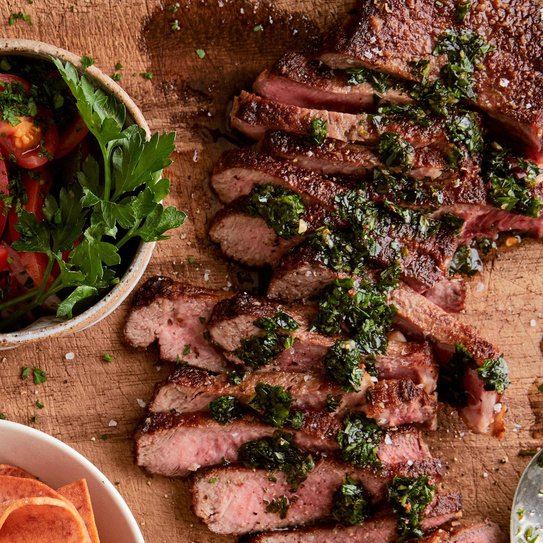
Remove from the heat and season with salt flakes and pepper. Let it rest, meat still on the bone if possible, for 10 minutes, covered in foil. The meat should be well browned outside, rare inside, and the fat should be glistening and transparent.
Cut the steak around the bone, then into thick slices – about 1.5–2 cm (½–¾ in) thick.
Serve the meat recomposed with the T-bone (some enjoy gnawing on this), with a scant drizzle of very good extra-virgin olive oil, if desired.

Emiko Davies's tips
The bistecca is traditionally cooked over hot coals in a fireplace. A barbecue works well too, but a chargrill pan or a heavy-duty cast-iron frying pan on the stove top will suffice. For this quantity, you may need to cook one steak at a time. Keep one warm, covered with aluminium foil, until the other steak is ready.
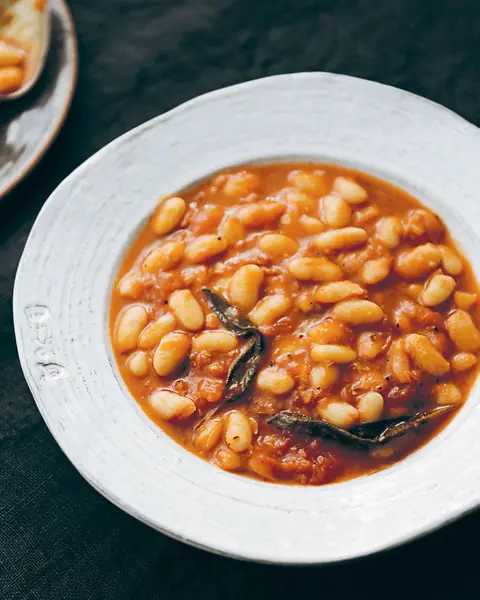
Bistecca is best eaten with the usual side dishes, such as crisp, roasted rosemary potatoes, sautéed greens or cannellini beans ‘all’olio’ (see my recipes) and, naturally, plenty of Tuscan bread to mop up the precious juices.