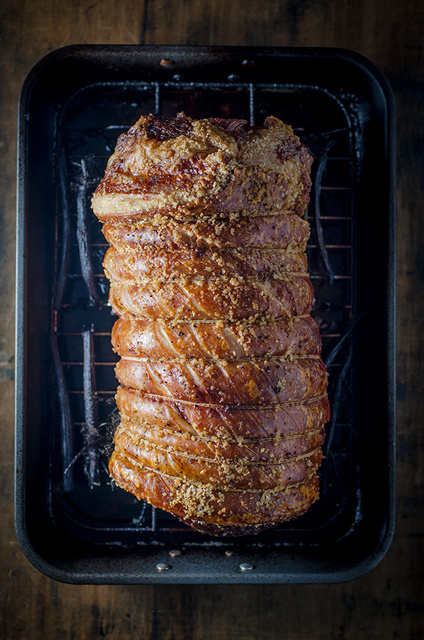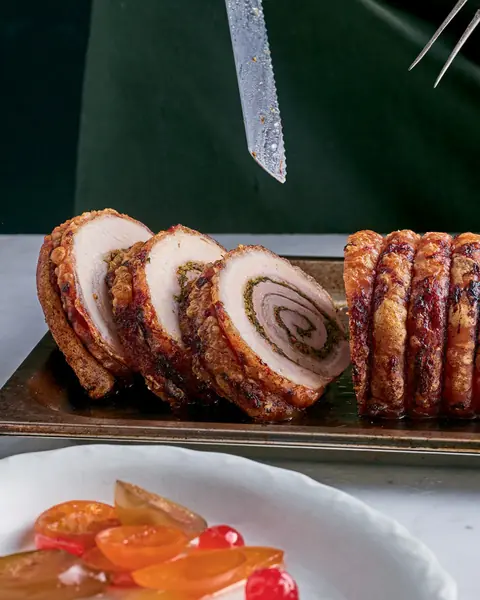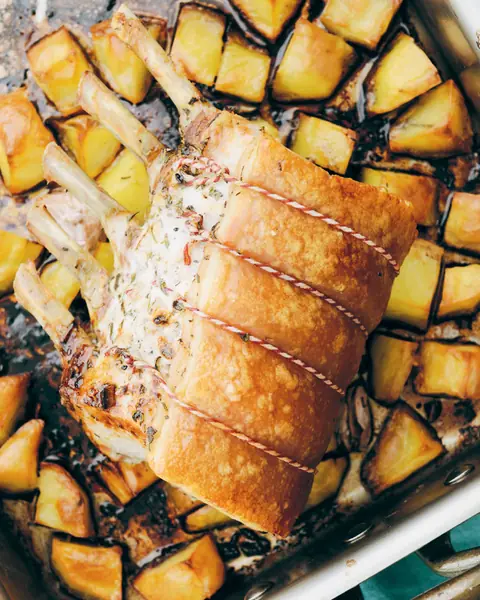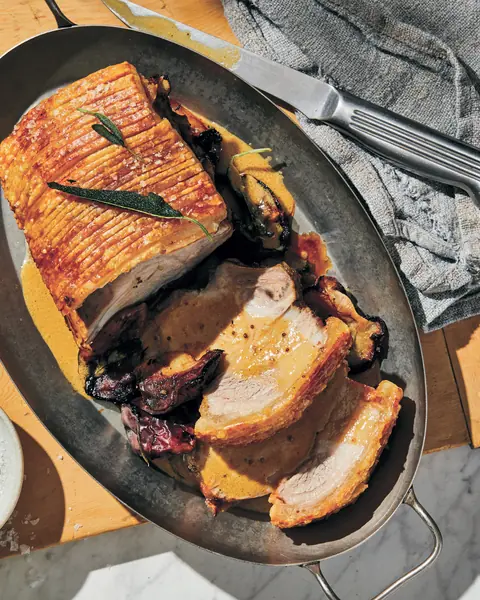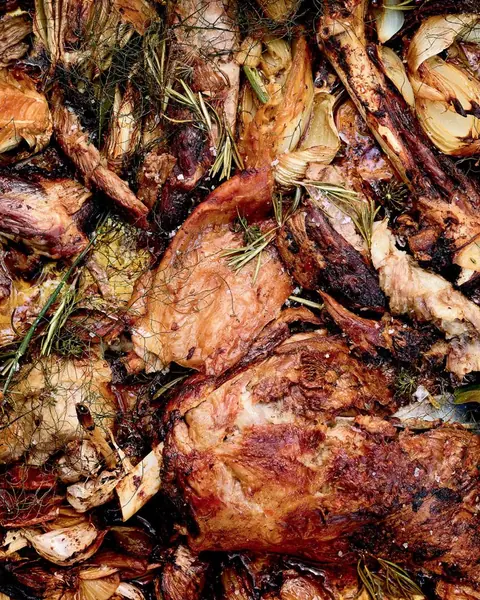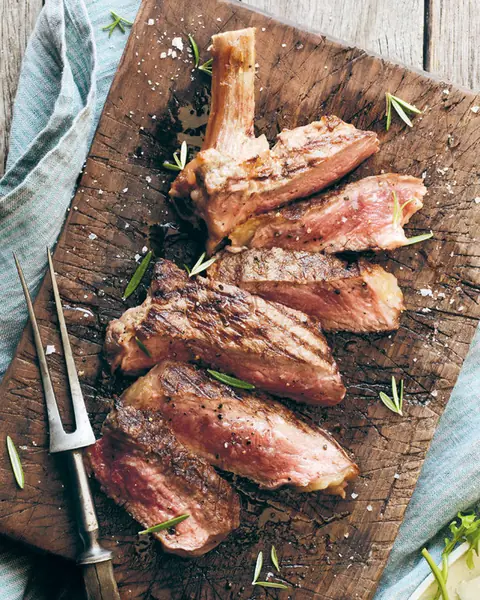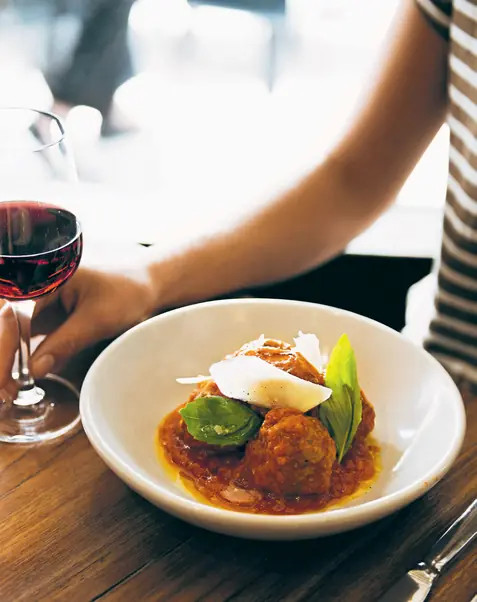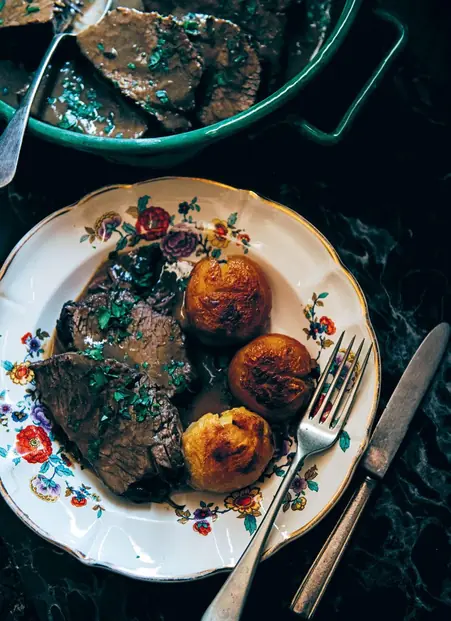
Most agree the origins of porchetta are in Umbria, also known as Italy’s green heart. There, lush, rolling hills provide a perfect home for pastured pigs. In its most authentic form, porchetta is a full boned-out pig marinated with garlic, wild fennel and maybe rosemary, then rolled up and tied in a big log, often with the head still attached. It’s a tremendously beautiful and impressive thing, often reserved for celebrations.
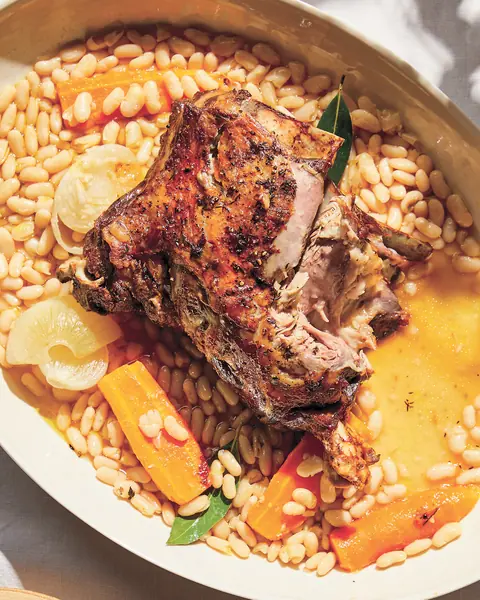
Chefs will make simplified versions using a fully boneless loin with belly. To make things even easier at home, I suggest adding all those flavours to a pork shoulder and slow roasting that in your oven instead, so you don’t have to worry about boning out a pig or finding butchers’ string and tying it up perfectly.
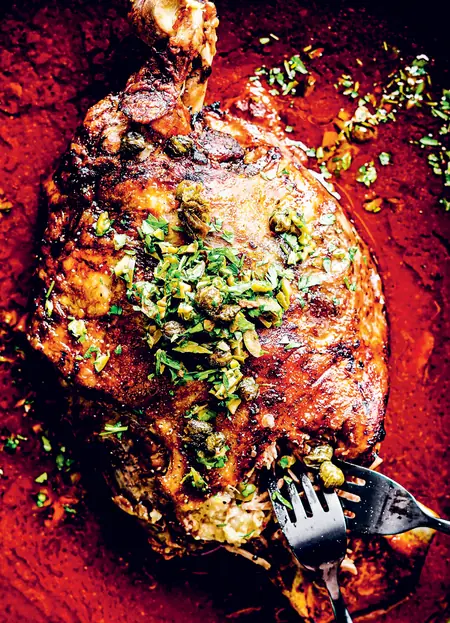
Serve this with fresh corn polenta and perhaps some salsa verde and you have a spectacular meal worthy of any celebration.
Ingredients 8
Your new home
for cooking
Turn your recipe chaos into a plan for the week.
Browse 1000+ inspiring creator recipes
Unlimited recipe import from social media, blogs and more
Generate shopping lists and meal plans in seconds with AI
Method 8
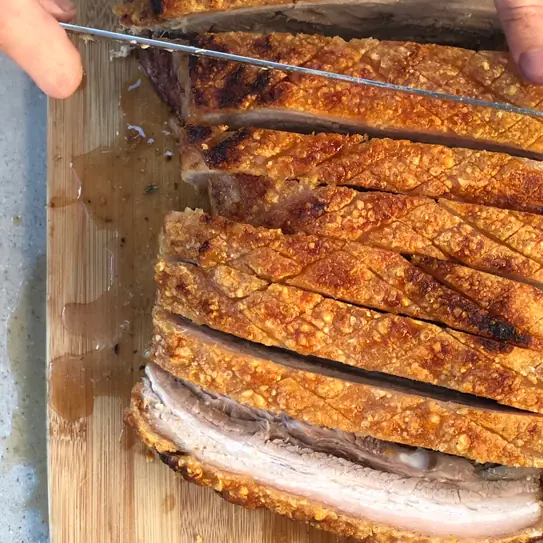
Score the skin of the in a diamond pattern, then season the skin side liberally with salt.
Flip it over and season the flesh side liberally with salt and lots of freshly cracked black pepper.
Crush the in your hands and combine with the picked leaves, leaves, and . Spread the liberally all over the flesh side, but not the skin side, then cover the flesh side with all the herbs and fennel and press them in so they stick.
Flip it back over so that the skin side is up and refrigerate, uncovered, for 12–24 hours.
Remove it from the fridge and allow it to come to room temperature for 2 hours.
Preheat the oven to 200°C (400°F), then roast for 1 hour.
Reduce the heat to 150°C (300°F) and cook for another 5–6 hours.
To get crackling skin once the meat is tender and fully cooked, place the pork under the grill (broiler) of your oven, but don’t walk away from it. It goes from blistered and bubbly to burnt pretty quickly.

Danielle Alvarez's tips
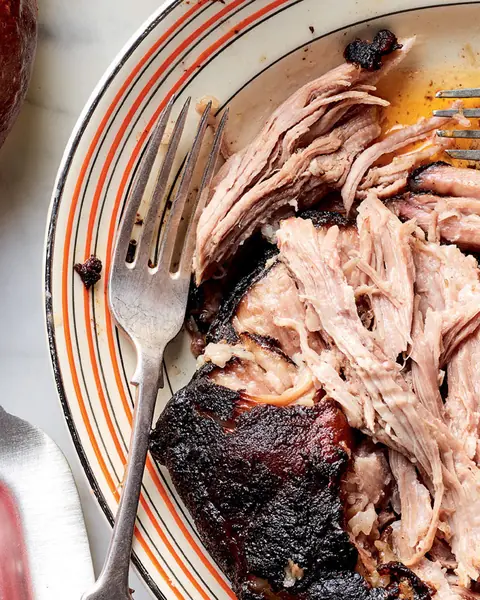
When it comes to slow roasting, a lot of people will ask, how do you know it’s done? In this form of cooking, you are not looking for an end temperature. You are fully cooking the meat then allowing it to continue cooking to break down the muscles and connective tissue further, so the result is meat that is melting and falling off the bone, a lot like a braise or American barbecue. You’ll know it’s done when you can easily pull the meat from the bone without needing to cut it.
Seasoning a cut like this 12–24 hours in advance is crucial. It’s the only way to get salt into a piece of meat so large, and it’s also the best way to guarantee a crackling skin.
The porchetta should be baked in a roasting tin with sides at least 2 cm (¾ in) high, as the pork will release a lot of fat and liquid when cooking.