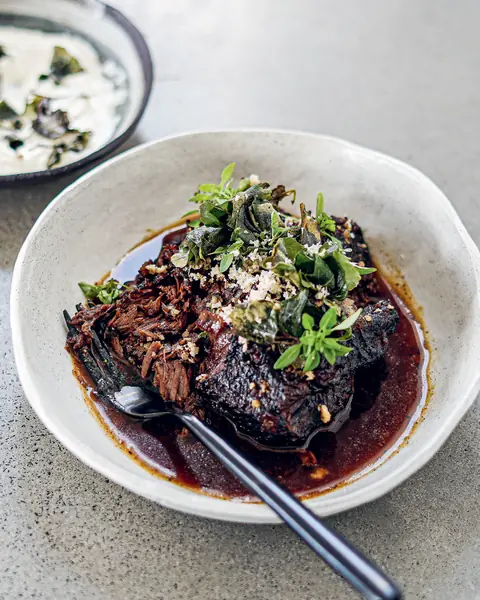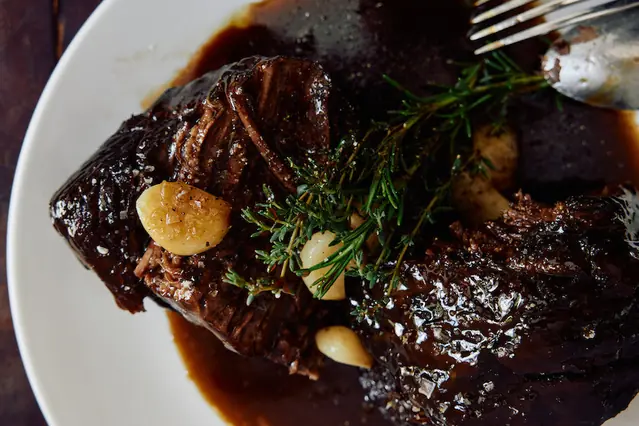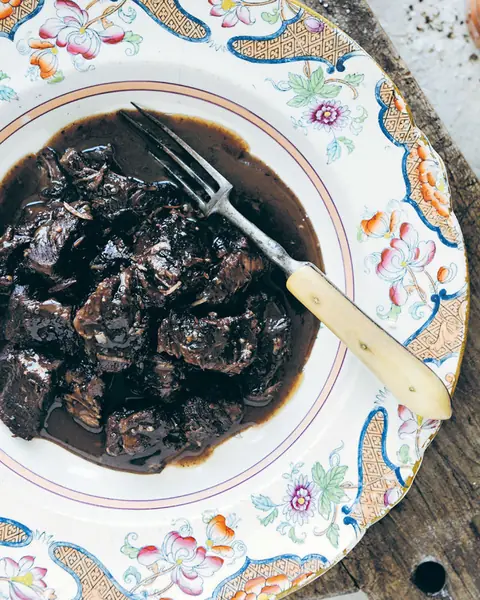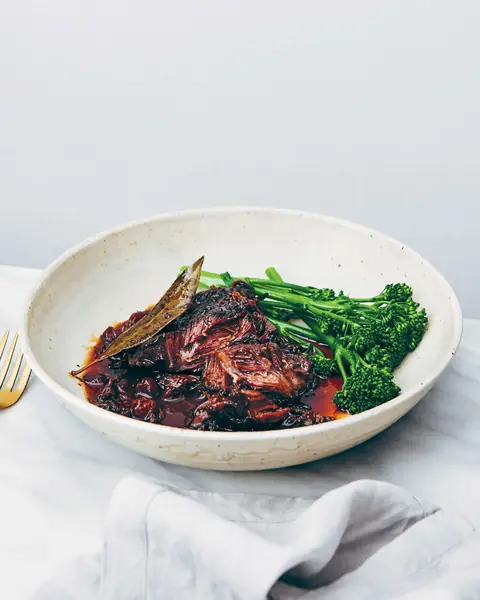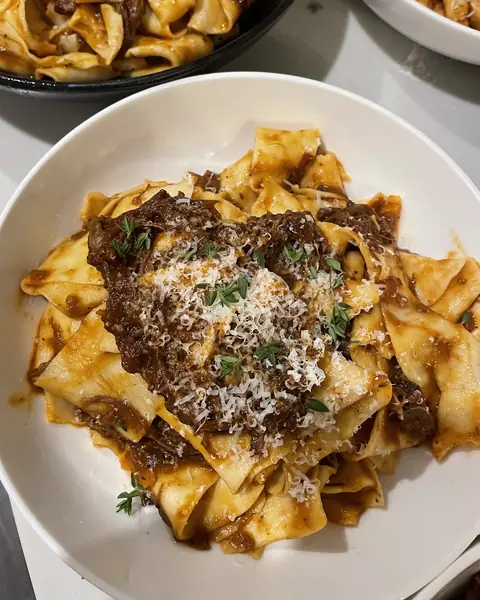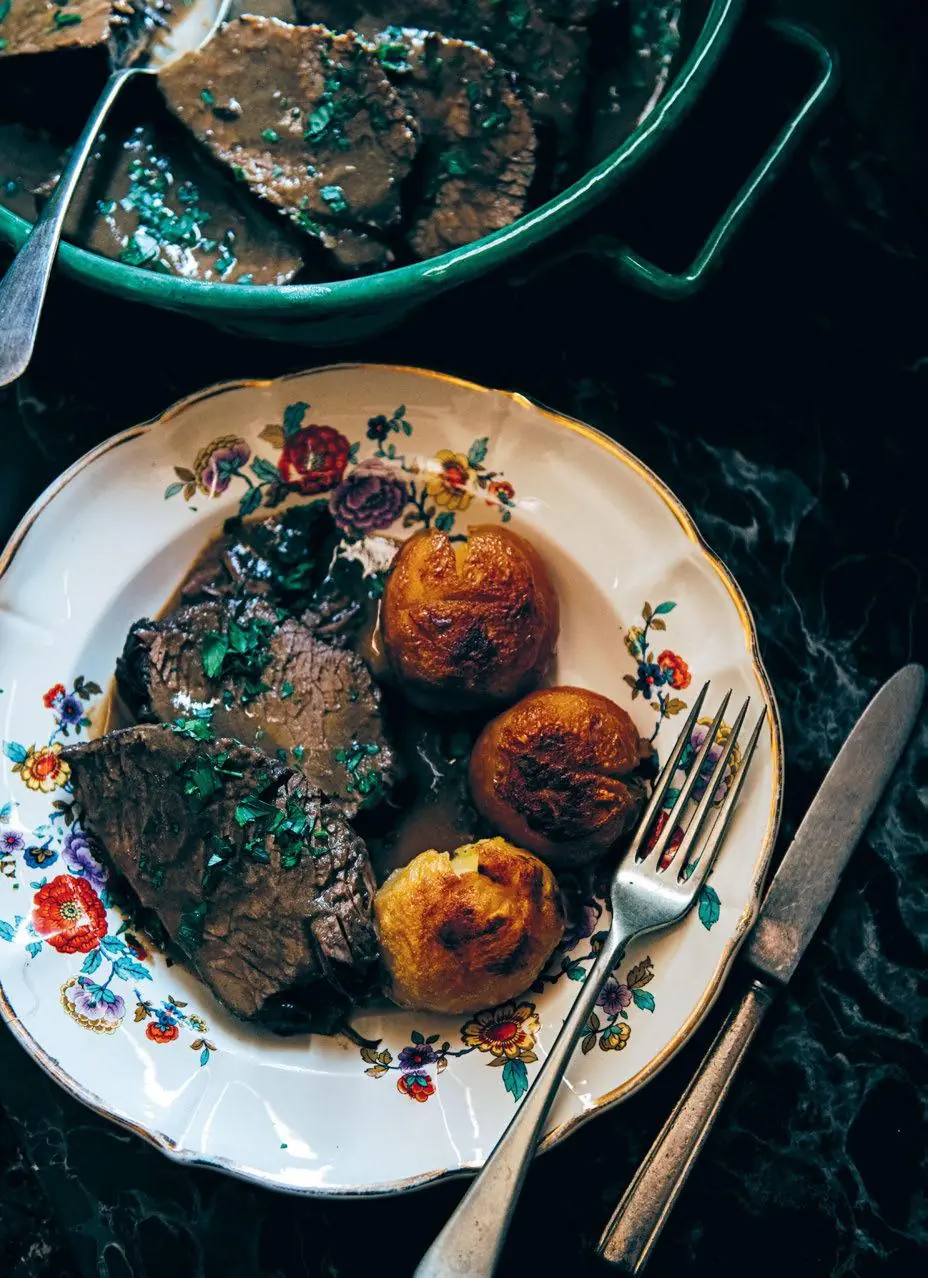
Brasato al Barolo (Beef Braised in Red Wine)
This is my idea of a perfect wintry Sunday meal. It’s low-maintenance, leaving you free to potter about; but, like other things that are slow-cooked, its main ingredients include time and care. Brasato comes from the word ‘brasare’ (which, interestingly, sounds like ‘braise’), or to cook in brace or charcoal embers, as stews were once cooked in cast-iron pots set in the middle of the embers of the fireplace and left for hours.
There are just three things you really need to pay attention to for this delicious meal. A whole bottle of Barolo (or any other Nebbiolo-based grape) to cover the meat serves as a tenderiser and flavour-enhancer – I cannot recommend enough that you choose a wine that you like the taste of; it doesn’t have to be expensive or even a Barolo, but do pick one that you would happily drink yourself. Don’t think that you can use a wine that is corked or tastes like vinegar for this pot roast, as it will, remarkably, still taste like that imperfect wine once cooked.
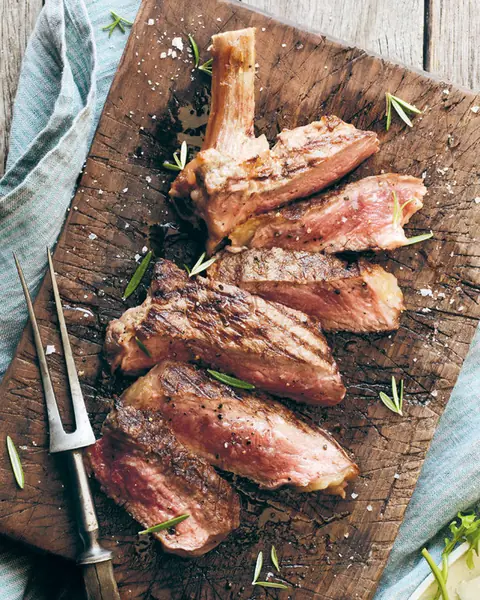
The beef should have a little marbling or connective tissue in it; if it is too lean it can easily become dry after cooking for so long (some recipes call for lardo or pancetta cut into thin strips to be added to the brasato to incorporate some fat and flavour to the otherwise lean, muscular meat of Piedmont’s native Fassone cattle). Ask your trusted butcher for a simple roast from around the shoulder. It’s known as sottopaletta in Piedmont or cappello del prete, ‘the priest’s hat’.
But the best way to ensure a good brasato is time. Prepare it well in advance, which makes your Sunday meal even more hands-o!. A whole night’s rest after cooking it is always a good idea (even obligatory, I would say) – the meat relaxes, the sauce thickens and intensifies – but even a couple more nights will do it good.
Ingredients 12
1.2 kg beef chuck roast, boneless, in a cut such as chuck roast or pot roast, salt and pepper, to season
3 tbsp olive oil
1 onion, sliced
1 carrot, small, roughly chopped
1 stalk celery, roughly chopped
50 g butter, cold
2 garlic cloves, peeled
2 ‒ 3 bay leaves
Handful mixed fresh herbs, such as rosemary, sage and thyme
750 ml Barolo
water, to cover
flat-leaf parsley, finely chopped, to serve, optional
Your new home
for cooking
Turn your recipe chaos into a plan for the week.
Browse 1000+ inspiring creator recipes
Unlimited recipe import from social media, blogs and more
Generate shopping lists and meal plans in seconds with AI
Method 9
Season the with salt and pepper. If necessary, you can tie the beef with kitchen string to help it keep its shape during cooking. Heat the in a large, heavy-based ovenproof pot if you wish to finish this in the oven (in Italy a terracotta pot is often used). Sear the beef over a high heat for a few minutes on each side until a brown crust develops. Remove the beef and set aside.
Reduce the heat to low. Add the , and along with a good pinch of salt and half of the , and cook gently until the vegetables are soft and translucent, about 10 minutes.
Return the to the pot, add the and , then pour in the . Season with salt and pepper. Increase the heat to medium–high, bring the wine to a boil and let it simmer fiercely for about 5 minutes.
Add the water or beef stock to cover the , then reduce the heat to very low, cover the pot with a lid and let simmer gently for 3–4 hours, turning the beef occasionally, until it is completely tender.
Remove the and set aside. Remove and discard the and stalks, if you used them. Blend the vegetables and liquid until smooth (an immersion blender is handy for this, otherwise carefully transfer the hot liquid and its contents to a blender, blitz until smooth, then return to the pot).
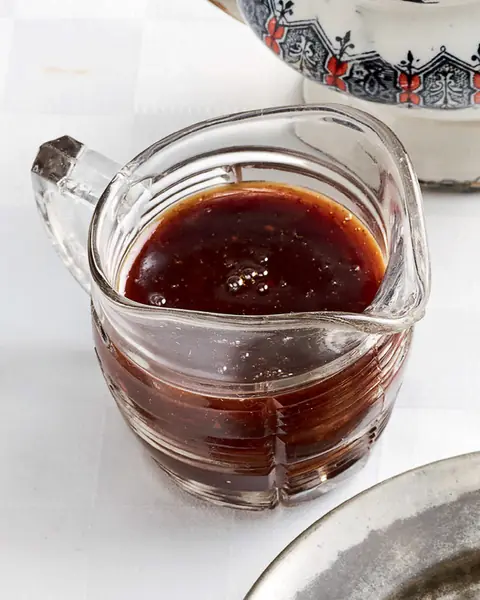
Reduce the sauce over a medium heat, uncovered, until slightly thickened, about 30 minutes. Drop in the rest of the and swirl it through the sauce until glossy. Taste for seasoning, adding salt and pepper if necessary.
Cut the into slices about 1 cm (½ in) thick and return it to the sauce.
You can serve it immediately, though the flavour and texture improve so much overnight, I would always recommend making this the day before. Leave to cool, then store in the refrigerator until the next day (or up to 3 days). Bring back to a rolling simmer, uncovered, for about 10 minutes
Serve with the sauce alongside squashed potatoes or soft polenta and sprinkled with chopped parsley.

Emiko Davies' tips
This sauce isn’t as thick as a gravy, but if you do prefer a thicker sauce, rather than add flour, you can add more vegetables – up to double the amount. When you blend it, the puréed vegetables will add more body to the sauce. Resting overnight and reheating also gives the sauce a chance to reduce further.