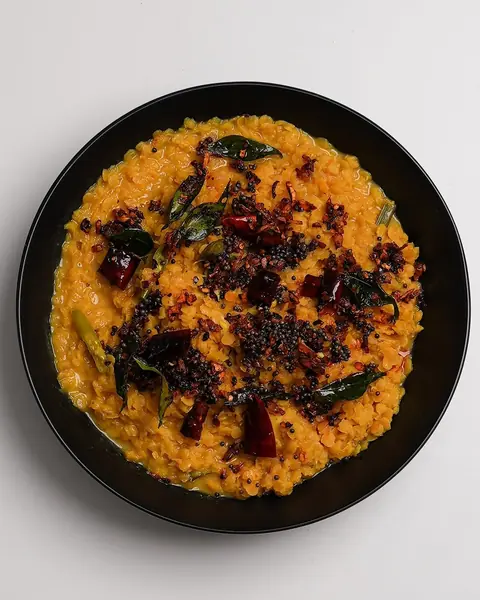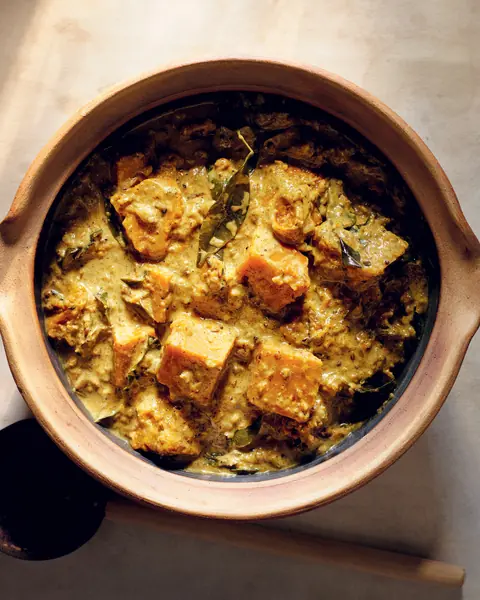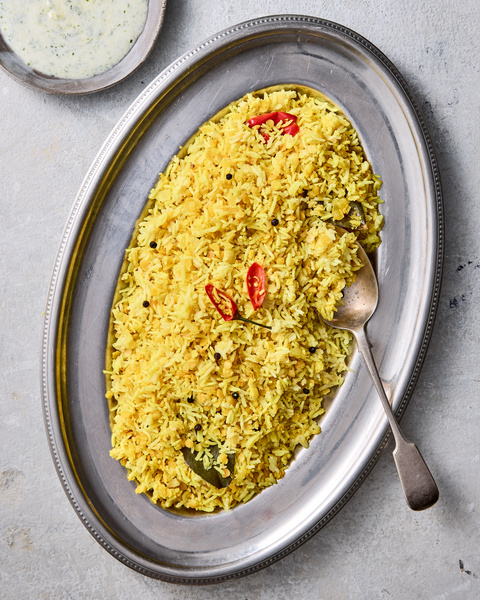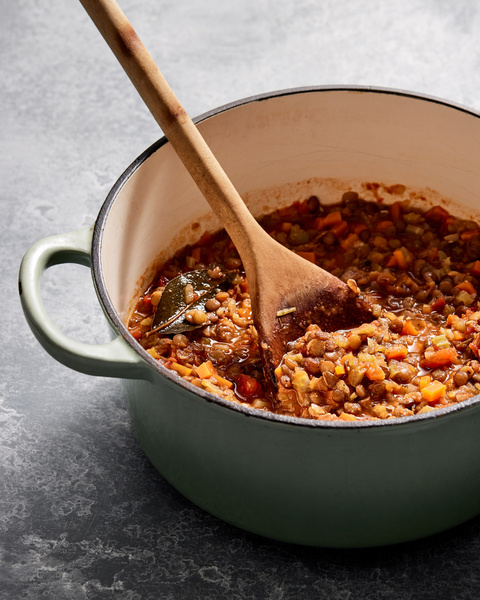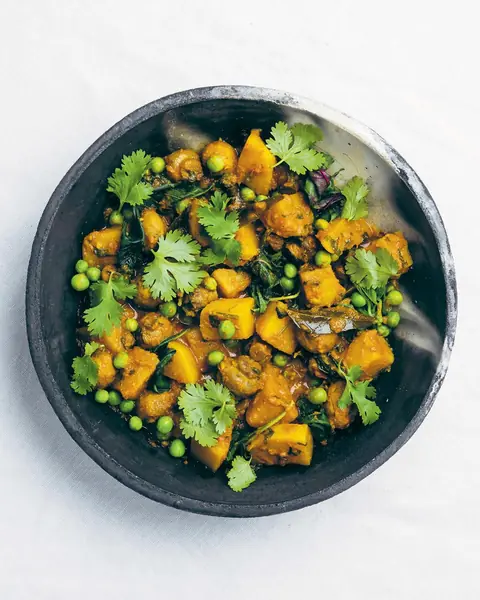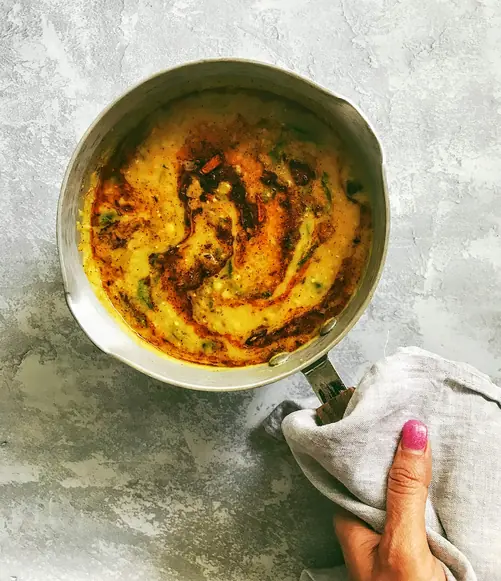
Looking for a simple, healthy meal to cook in bulk? This lentil curry can be portioned into containers, frozen and thawed as needed throughout the week. Best served with sautéed spinach and basmati rice. Enjoy!
Ingredients 9
Your new home
for cooking
Turn your recipe chaos into a plan for the week.
Browse 1000+ inspiring creator recipes
Unlimited recipe import from social media, blogs and more
Generate shopping lists and meal plans in seconds with AI
Method 6
In a pot, on medium heat, sauté and in until translucent.
Add , , and . Stir vigorously to combine.
Add and turn heat down to low-medium.
Ensure to stir every 15 minutes to prevent sticking to the bottom of the pot.
At 20 minutes, add .
After 1 hour (or until have softened), remove then serve with sautéed greens and basmati rice.

Sebi Nutrition's tips
Lentil preparation:
1. Fill a large bowl with 1 cup of dry lentils and enough water to cover. Soak for a minimum of 6 hours (or preferably overnight).
2. Once soaked, strain and rinse well.
3. Place in a pot and fill with 4 cups of water. Bring to boil and cook for 15 minutes.
4. During boiling, skim and discard the foam.
5. After 15 minutes, strain and rinse well. Now they’re ready to use!
The why:
Soaking reduces oligosaccharides (a type of carbohydrate). Bloating, gas and abdominal pain can occur with foods high in oligosaccharides. Legumes also contain ‘antinutrients’ — compounds that interfere with nutrient absorption. These are okay in small amounts, but in high amounts they can impair the absorption of minerals such as zinc, iron and calcium.