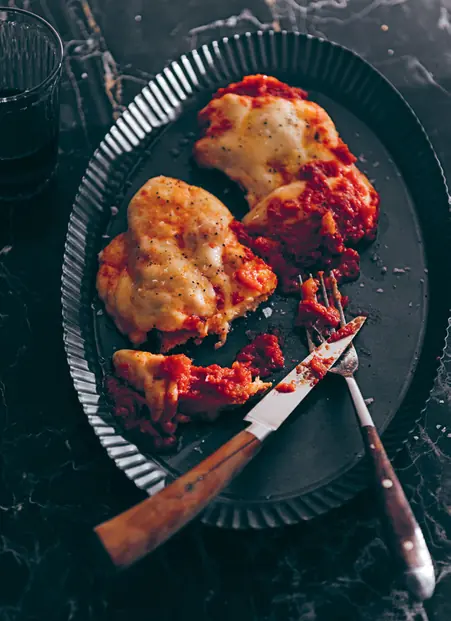
Take a bite of this deep-fried mozzarella sandwich, which is said to have been invented in Naples in the 1800s, and you won’t be able to think of anything except that string of cheese that gets satisfyingly longer the more you pull the sandwich away from your mouth. It’s no wonder that it was called mozzarella in carrozza, literally ‘mozzarella in carriage’, with the melted mozzarella resembling the reins of a horse and carriage.
While the usual way to make this is to dip the mozzarella sandwiches separately into bowls of flour, beaten egg (with or without milk) and breadcrumbs, I find it works best as described by Tuscan author Edda Servi Machlin in her 1981 cookbook, The Classic Cuisine of the Italian Jews. To avoid all the dipping from one dish to the next, she simply combines the egg, milk and flour into a batter – genius, and there’s less washing up. I quite like sneaking a few anchovy fillets or slices of ham inside too.
Ingredients 7
Your new home
for cooking
Turn your recipe chaos into a plan for the week.
Browse 1000+ inspiring creator recipes
Unlimited recipe import from social media, blogs and more
Generate shopping lists and meal plans in seconds with AI
Method 6
Cut the into 1 cm (1⁄2 in) slices and set aside.
Combine the , and in a small mixing bowl and whisk with a fork until smooth, then season with salt and pepper. Place the in a separate small bowl.
Sandwich slices of between two slices of to make four small sandwiches (if you are making a tray of these for antipasto, for example, you can cut them in half for smaller triangles). Dip the edges of each sandwich into the batter, then dip in the to seal the edges. Now dip the entire sandwich in the batter until fully coated and place on a large tray, board or plate and repeat with the remaining sandwiches. Press the edges of the sandwiches together slightly.
Pour the into a wide, heavy-based pan (I prefer cast iron for frying) to a depth of 2 cm (3⁄4 in). Place over a medium heat and heat gently to 160°C (320°F), or until a cube of bread dropped into the oil turns golden brown in 15 seconds. You want to fry the sandwiches relatively slowly so that the cheese has time to melt.
Working in batches to avoid overcrowding, place the in a single layer in the pan and fry until evenly golden brown, about 2 minutes on each side. Flip the sandwiches over carefully and, if needed, turn the sandwiches on their edges using a pair of tongs and fry until crisp. Remove from the and drain on paper towels or place on a wire rack.
Season immediately with a sprinkle of salt. Usually good fried snacks need to be served piping hot, right out of the pan, but these work surprisingly well when reheated in the oven – handy if you need to prepare these ahead of time. Allow the sandwiches to cool completely on a wire rack, wrap well in plastic wrap or store in an airtight container in the fridge and, when ready to serve, place the sandwiches on a baking tray and simply reheat in a 180°C (350°F) oven until piping hot.

Emiko Davies's tips
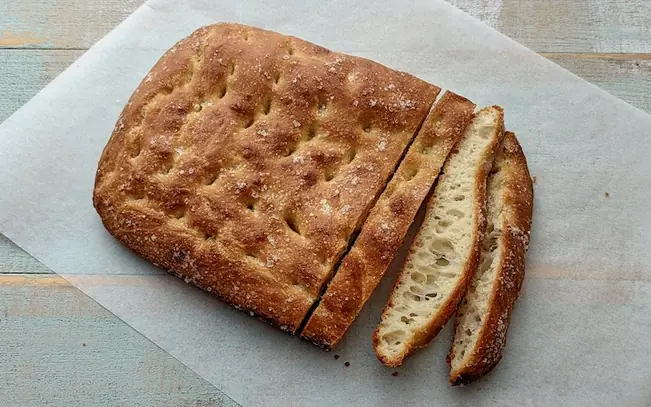
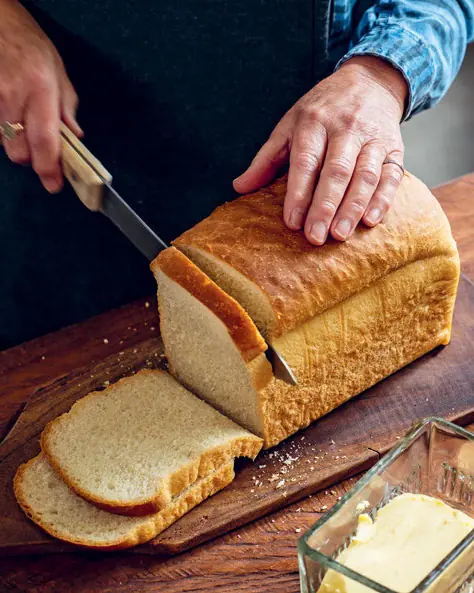
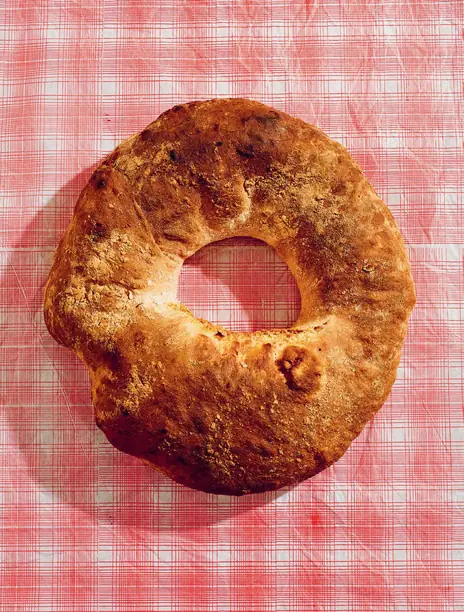
This dish was invented to make good use of leftovers – bread that was perhaps going stale, and not-so-fresh mozzarella that was tastier when cooked. Today, it is commonly made with soft, white sandwich bread, which easily squashes so you can seal the edges, but it is infinitely tastier when you use a delicious sourdough bread or country-style, wood-fired bread such as a traditional Italian bread.
The sealing of the edges is quite an important part of the success of this delicious snack, and there are many other ways to ensure the precious filling doesn’t escape during cooking, including dipping just the edges in breadcrumbs, double dipping or, especially good if you’re using a firmer bread, soaking the bread in egg first for 30 minutes to soften it (this is a tip from Elizabeth David).
Finally, consider using fresh buffalo mozzarella; the milky liquid that seeps out of fresh mozzarella will help hold the sandwich together.