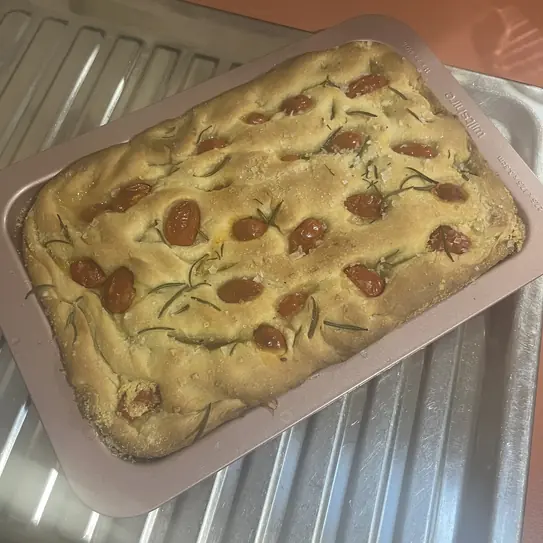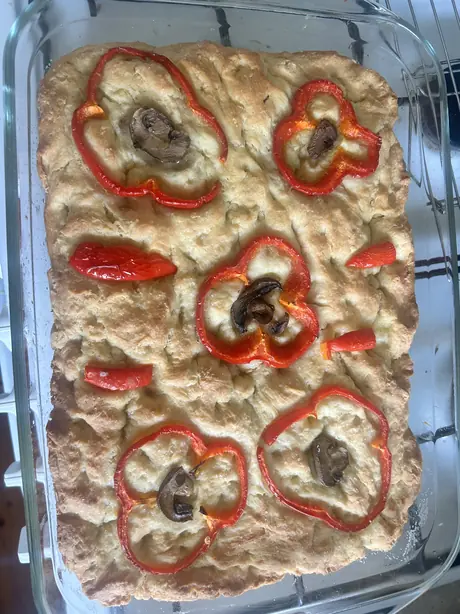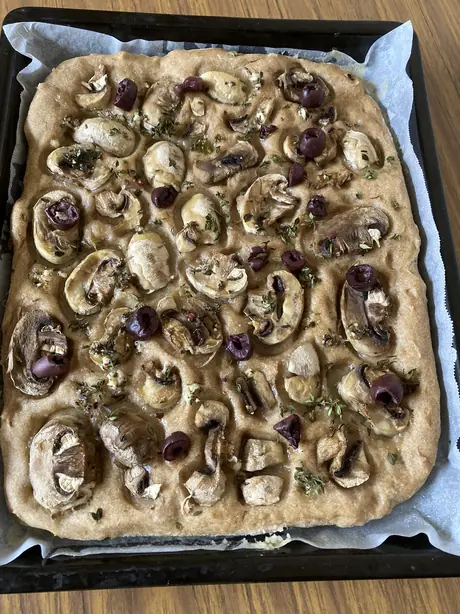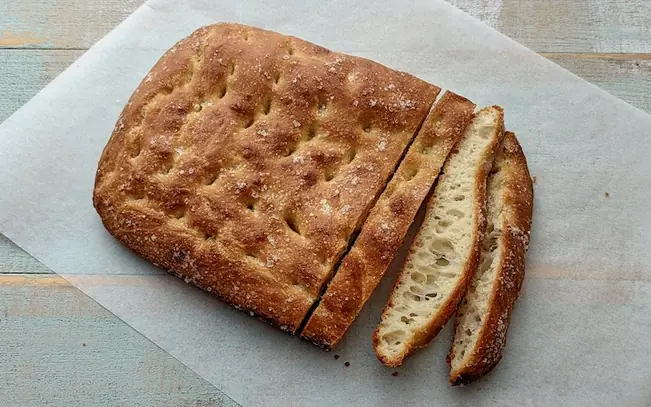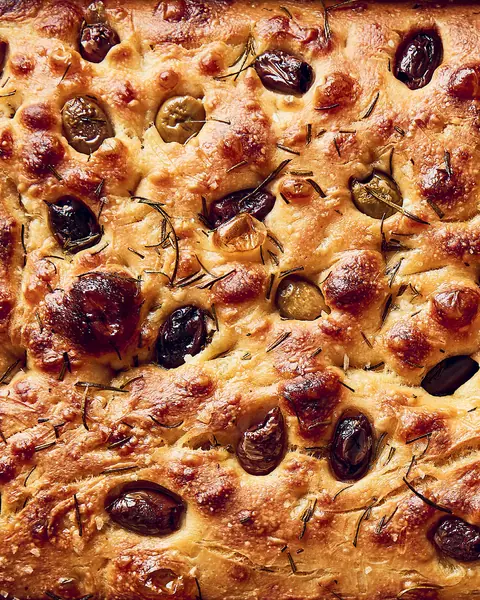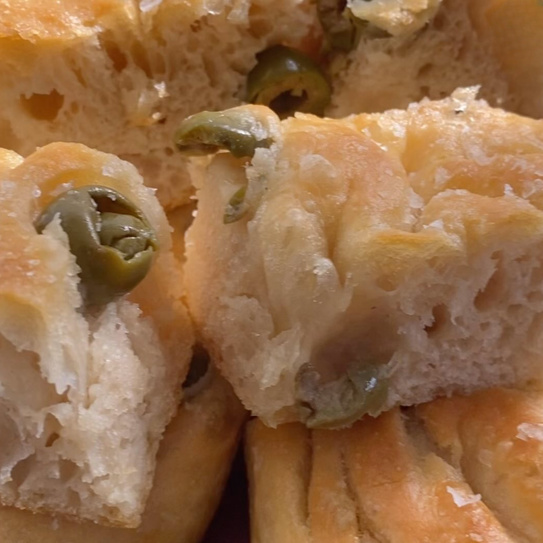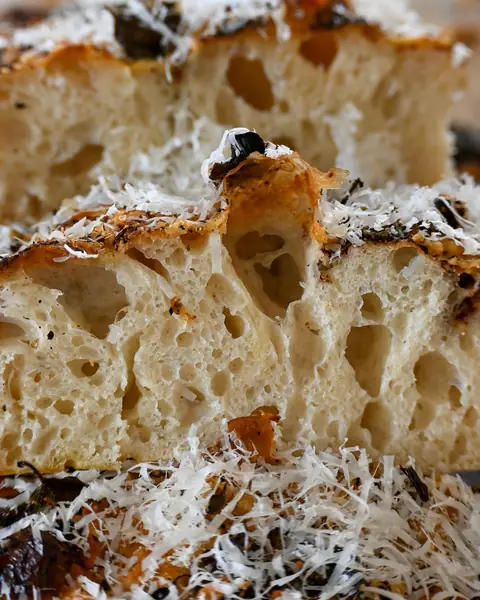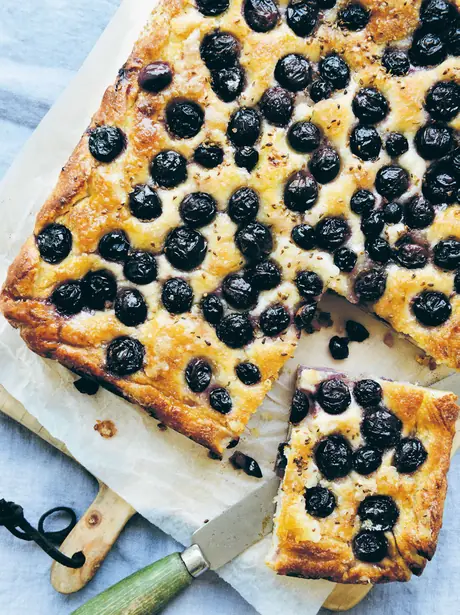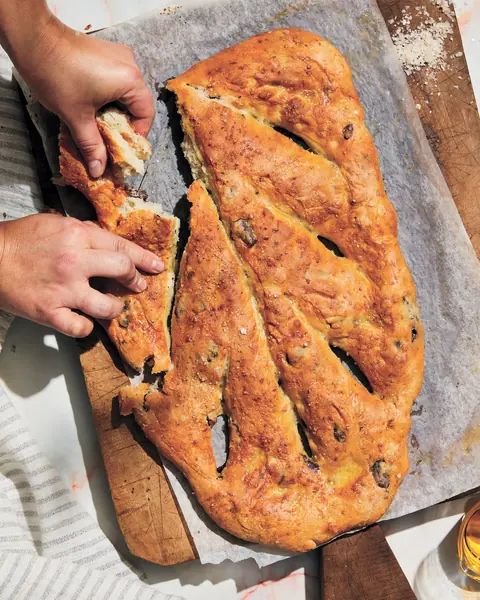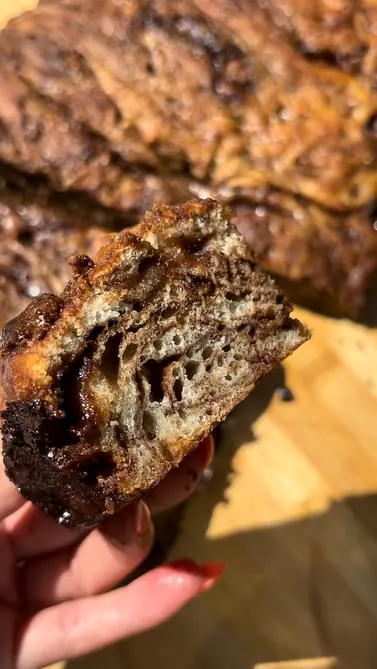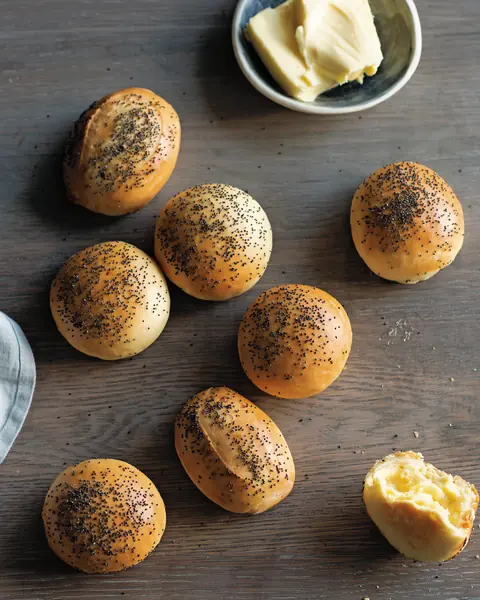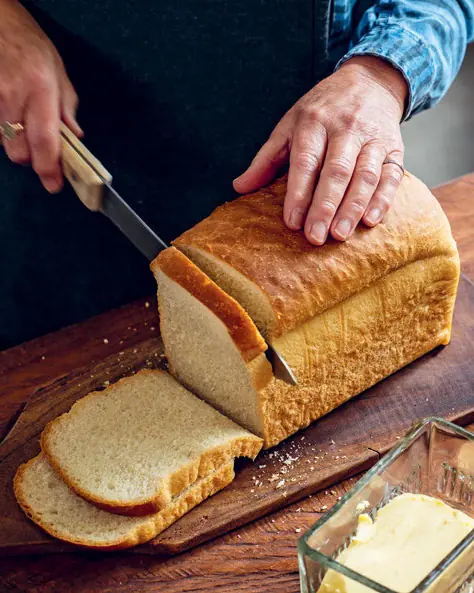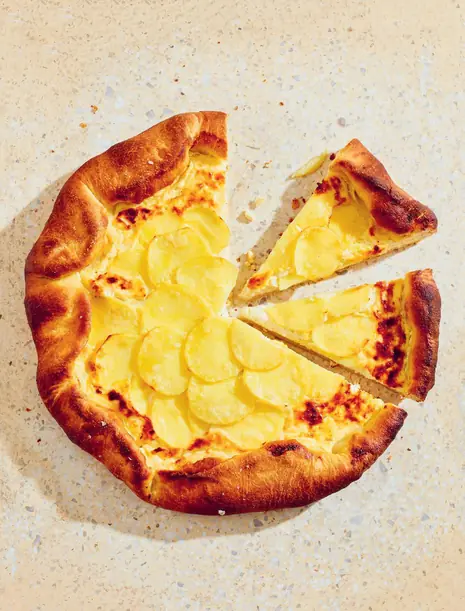
Focaccia is a well-known bread from Italy. It is the abundance of good olive oil that makes this simple yeasted dough unique and utterly delicious. The oil not only flavours the dough but makes it quite tender and soft. There are many versions of focaccia throughout Italy, and it really depends on what region you’re in. It could be quite thin, it could be crispy, and it could be topped with a multitude of things, from fresh herbs and tomatoes to potatoes and other vegetables. This is a basic recipe, so feel free to add whatever topping you fancy.
The only special piece of equipment you need is a shallow sheet tray. I prefer the commercial American-style aluminium trays that measure 46×33 cm (18×13 in), but anything with similar dimensions should work. Just try to find a tray with sides about 2.5 cm (1 in) high.
Makes 1 × 46×33 cm (18×13 in) focaccia.
Ingredients 16
Optional Toppings
Your new home
for cooking
Turn your recipe chaos into a plan for the week.
Browse 1000+ inspiring creator recipes
Unlimited recipe import from social media, blogs and more
Generate shopping lists and meal plans in seconds with AI
Method 8
Mix the , , and and set aside for about 10 minutes until the yeast begins to get foamy, then mix in the .
To a freestanding electric mixer fitted with the dough hook attachment, add the , then pour in all the wet ingredients (yeast mixture). Mix on medium speed until the dough comes together and looks even and smooth, about 8–10 minutes.
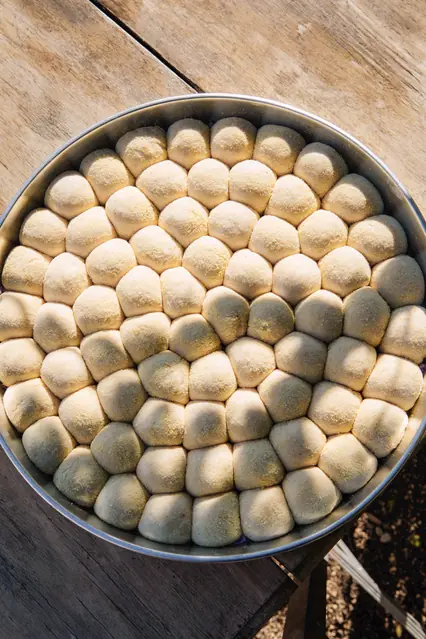
Remove the dough from the mixer and roughly shape into a round. Place in a lightly floured bowl and cover tightly with a damp tea towel (dish towel). Allow to rise for 1–1½ hours, or until the dough has doubled in size. This may take much longer depending on the temperature of the room. If you’re doing this in winter, you can place it in an oven with the pilot light on to accelerate the process a bit.
Pour half the onto the base of the sheet tray and sprinkle the on top. Once the dough has proved, remove it from the bowl and place directly on the tray. Pour some of the remaining onto the dough, then use your fingers to push the dough out to the edges (shape your hands like you were playing the piano). The idea is to create small indentations that give the dough its unique look and texture, and a place for the oil to pool and ‘fry’ the pockets.
Once the dough starts pulling back, stop and let it rest for 10 minutes, then come back, add the remaining and press it out evenly a bit further. Stop, allow it to rest for another 10 minutes and repeat until the dough looks even and has reached the edges of the tray. If you wanted to add any toppings, press them into the dough on the final round of stretching and pressing. Press them in firmly without breaking the dough; once they bake, the indentations will puff back up and push the toppings out, causing them to burn.
Season the top with flaky sea , then cover loosely with baking paper or a tea towel (dish towel) and prove for a further 30-90 minutes in a warm spot, until doubled in height. How long this takes depends on the temperature of your room and the temperature of your dough.
Preheat the oven to 220°C (430°F) and, if you have a baking stone, set it in the oven.
Peel the baking paper off the top and bake the focaccia for 20–30 minutes on the stone, or until well puffed and deep golden brown on top. Remove from the oven and allow to cool slightly before cutting and serving.

Danielle Alvarez's tips
I give instructions for kneading in a machine, but, as always, you can do this by hand, just double kneading times.
Notes
3