Basmashkat – The Sewn Jewels of Levantine Cuisine
Some dishes whisper of home, and others speak of grandeur. Basmashkat combines both — it reminds us of the warmth of home while also celebrating elegance.
Basmashkat traces its origins to the grand Ottoman kitchens, where refinement and spectacle shaped much of the food culture that later flourished across the Levant. In Damascus, the capital of Syria, and a city celebrated for its culinary elegance. Unlike the simple stews and everyday grills of home kitchens, Basmashkat was a creation reserved for moments of honor—weddings, family celebrations, and festive gatherings where food was meant to dazzle as much as it was to nourish.
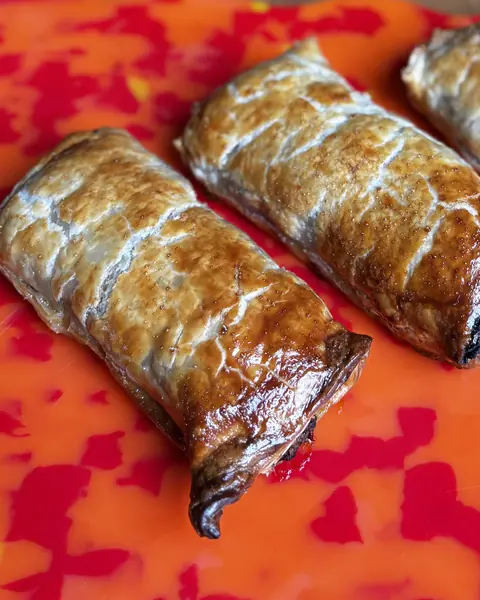
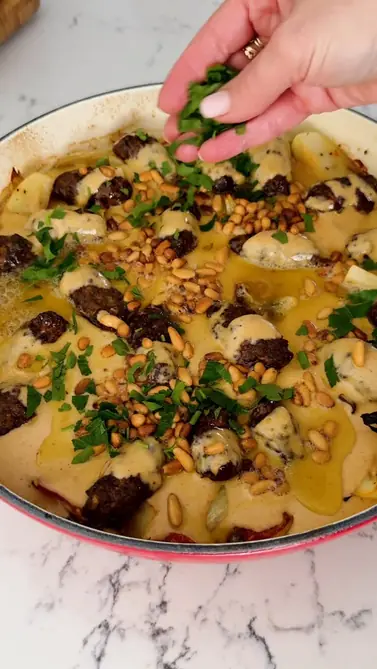
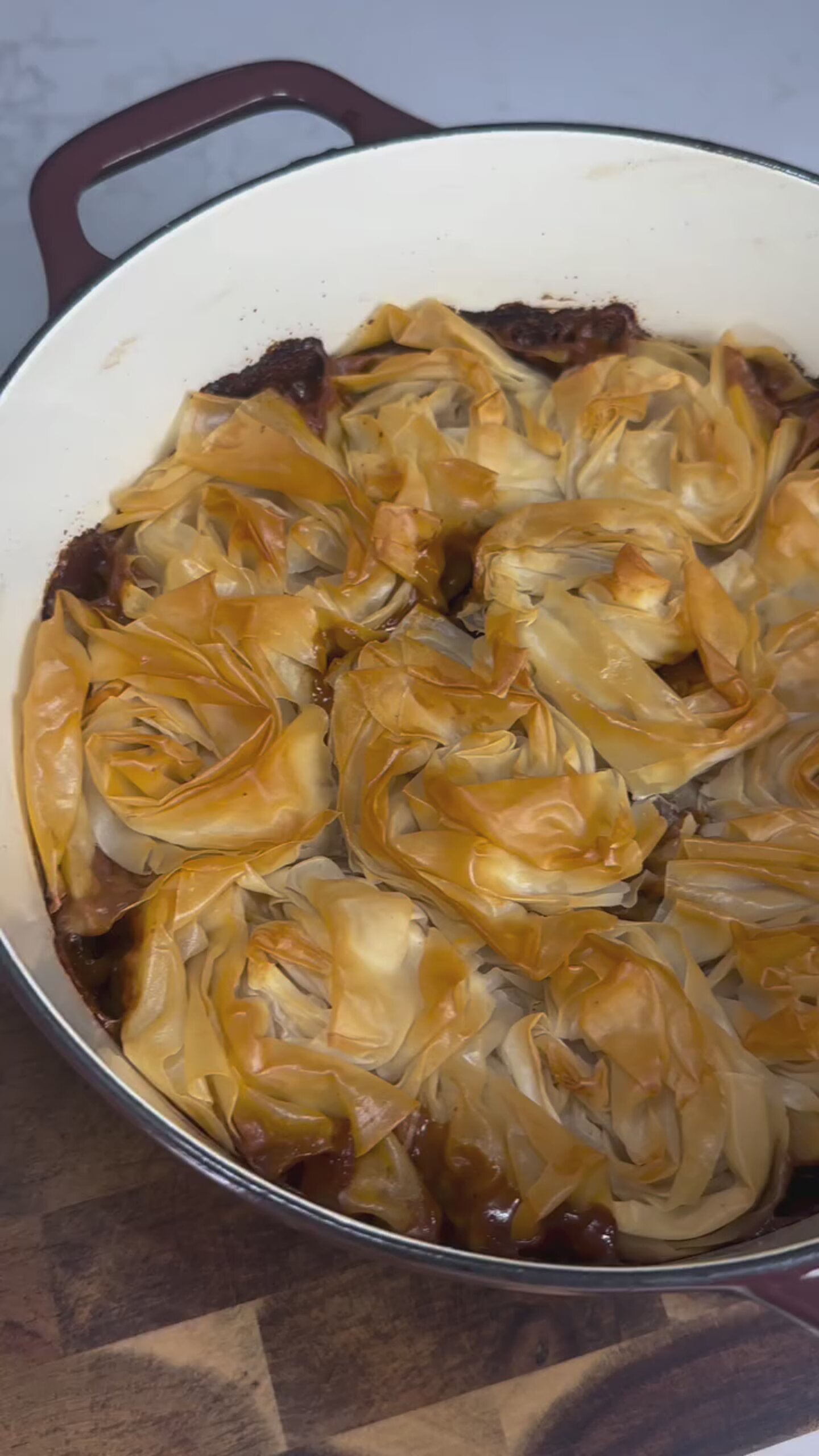
Its very preparation speaks of its prestige: thin slices of lamb or beef are carefully pounded until delicate, then filled with a fragrant mixture of minced meat, rice, nuts, and saffron. Each slice is rolled with precision, sewn shut with fine thread, and simmered in a rich broth until tender. The result is both beautiful and delicious—graceful parcels that carry within them layers of flavor, history, and care.
Even its name carries the story. Basmashkat comes from an old Ottoman Turkish word meaning “to tie” or “to sew shut.” The dish is literally named after the technique that makes it so unique: sewing the rolls to protect their hidden treasure within. On Syrian tables, these rolls once symbolized generosity and pride, placed at the center of the feast as proof of a host’s skill and hospitality.
For me, preparing Basmashkat is more than following a recipe—it is an act of remembrance. It connects me to the grandeur of past kitchens, to Damascus in its full culinary glory, and to the timeless belief that food is not only sustenance but also art, tradition, and story.
Ingredients 16
For The Meat Rolls
For The Filling
For The Sauce
Optional For Serving
Your new home
for cooking
Turn your recipe chaos into a plan for the week.
Browse 1000+ inspiring creator recipes
Unlimited recipe import from social media, blogs and more
Generate shopping lists and meal plans in seconds with AI
Method 14
Prepare The Filling
In a non-stick pot, melt the or ghee and sauté the until soft.
Add the , , , and . Cook until lightly browned.
Add the , , and the infused in warm water, and stir to combine.
Pour in boiling beef or lamb broth, or water, bring to a boil, then reduce the heat. Cover and cook on very low heat for 15 minutes until the is partially cooked.
Transfer the rice mixture to a shallow tray to cool, then stir in the lightly toasted before using it for stuffing.
Assemble The Rolls
Lay out each slice of . Place a spoonful of filling in the center.
Roll the slice tightly around the filling and secure the edges with kitchen thread or toothpicks to close the rolls. Repeat with the remaining slices.
Lightly coat each roll with flour.
Cook The Basmashkat
In a wide pot, melt 2 tablespoons of the butter or ghee and lightly sear the rolls until golden. Remove the rolls from the pot.
Add the remaining 2 tablespoons butter or ghee and 2 tablespoons flour to the pot to make a roux, stirring to combine.
Gradually add the boiling beef or lamb broth, or water, stirring continuously to avoid lumps. Bring the sauce to a boil.
Return the Basmashkat rolls to the pot, add the bay leaf and salt to taste, reduce the heat, and simmer gently for 45 minutes, until the meat is tender and fully cooked.
Serve
Carefully remove the rolls and cut away the thread.
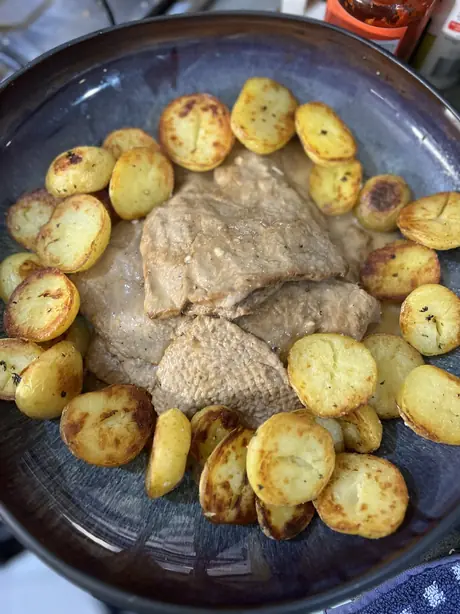
Serve hot with fried potatoes or fries, mashed potatoes, rice, or roasted vegetables, spooning some of the cooking sauce over the top.