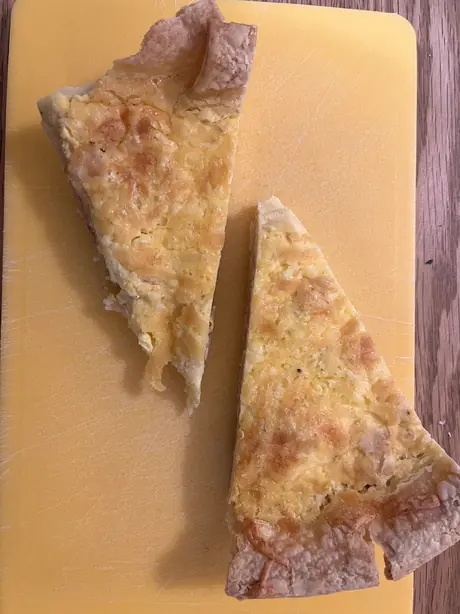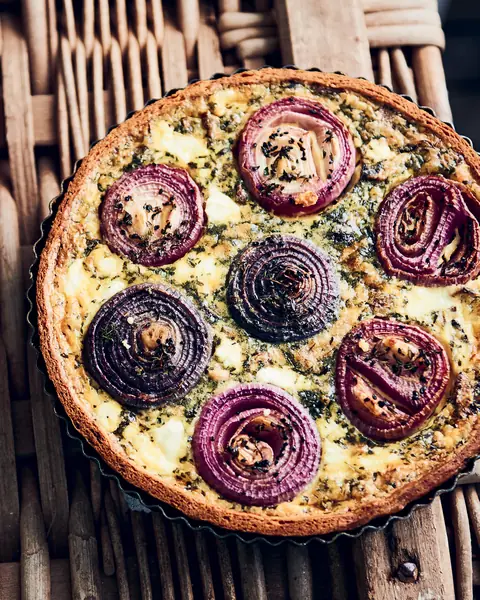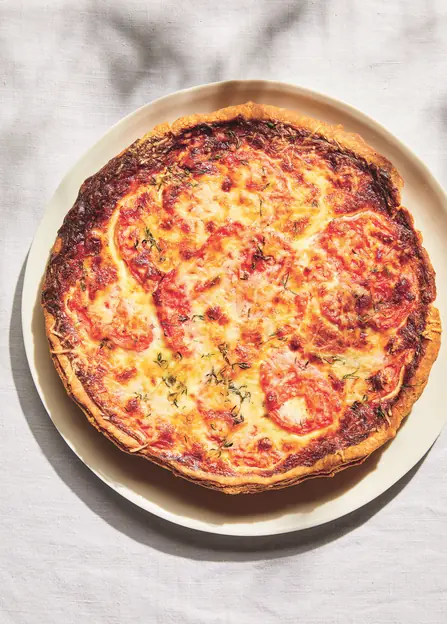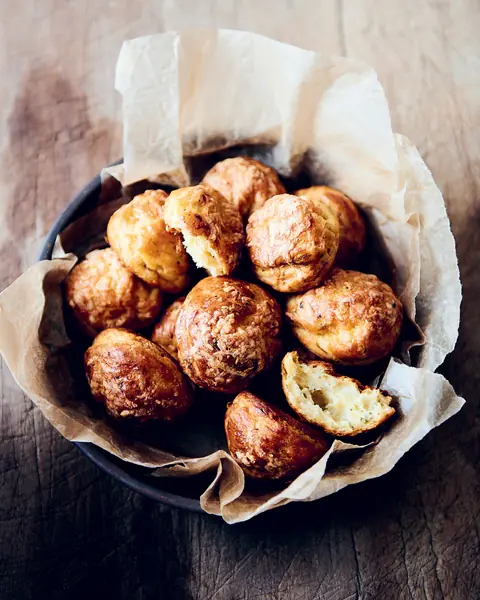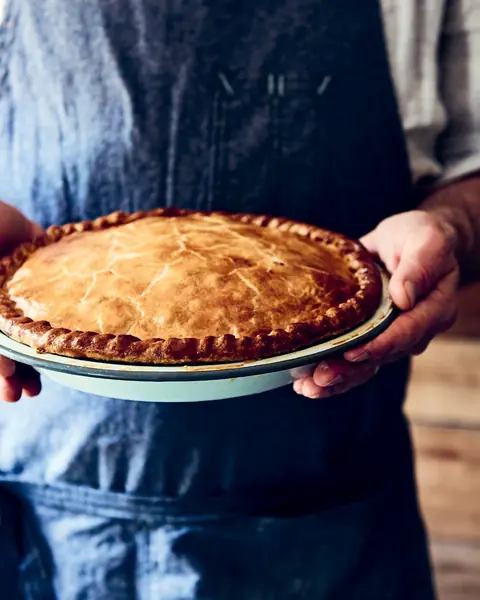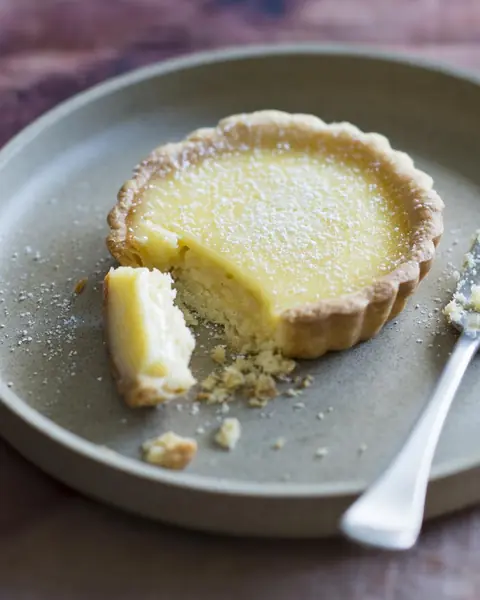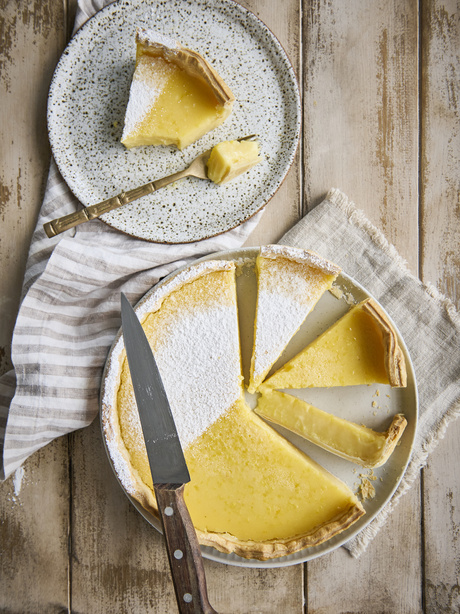
This is my version of a quiche lorraine, the classic French savoury tart. Quiche can be a bit divisive, with as many people professing to loving it as hating it. Personally, I think this mostly reflects the variability in quality – quiche is one of those things that is easy to make badly. A great quiche relies on good ingredients and knowing and trusting your oven. The result is satisfying, versatile and easily transportable, and it is well worth the effort learning to perfect this bake.
Serves 8-10.
Ingredients 11
Your new home
for cooking
Turn your recipe chaos into a plan for the week.
Browse 1000+ inspiring creator recipes
Unlimited recipe import from social media, blogs and more
Generate shopping lists and meal plans in seconds with AI
Method 9
First line your tart tin. Lightly grease a 23 cm (9 in) round, 3.5 cm (1½ in) deep tart tin with a little butter. Put the on a lightly floured kitchen bench and roll it out into a large disc 3–4 mm (⅛ in) thick.
Gently lay the over the tin, then use your thumb to press the pastry firmly into the base. Trim off the excess pastry with a knife, leaving a little overhanging the edge to allow for shrinkage. Transfer to the fridge to rest for 1 hour.
Preheat the oven to 190°C (375°F). Line the pastry case with aluminium foil and fill with granulated sugar until heaped. Bake for 30 minutes, then reduce the oven to 160°C (320°F), remove the foil and sugar and bake for a further 20 minutes, or until until golden. If you find the middle puffs up, prick the pastry a few times with a fork.
To prepare the custard, whisk together the , , and in a large bowl. Add , , and , and whisk them through. Add the and stir to evenly distribute it.
To bake the quiche, preheat the oven to 190°C (375°F). Meanwhile, heat a frying pan over a medium heat and fry the until crispy. Remove from the pan and cool, then roughly chop.
Spread a thin layer of over the base of the baked tart shell. Evenly distribute the pieces over the top.
Give the custard a stir to evenly disperse the ingredients, then transfer it to a jug to make filling the quiche easier. Slide out your oven shelf, place the tin on the shelf, then pour the custard into the shell, being careful not to overfill it. Alternatively, fill it on the bench and carefully transfer to the oven.
Bake for 10 minutes, then reduce the oven to 160°C (320°F). Bake for a further 30–35 minutes, turning the tin halfway through, until the centre of the quiche feels firm but still has a slight wobble. It should be firm rather than runny, but only just cooked.
Transfer to a wire rack and cool in the tin for at least 30 minutes to let the custard set. Serve warm or at room temperature. Keeps in the fridge for 3–4 days.

Urbanstead's tips
I like to make and blind bake the shell in advance. Once you’ve lined the tin with pastry, chill it in the fridge before baking to produce a flakier crust. I blind bake with aluminium foil for good heat distribution and so you get right into the corners, and I like to use sugar because it’s cheap and provides an even weight as the pastry bakes.
If there are any cracks in the pastry after blind baking, seal them by brushing a little egg wash over them before filling the quiche. For larger holes or tears, use some excess pastry to fill the gap and brush with egg wash, then return to the oven for a few minutes.
Once baked, the shell will keep for up to four days at room temperature in an airtight container.
Notes
1