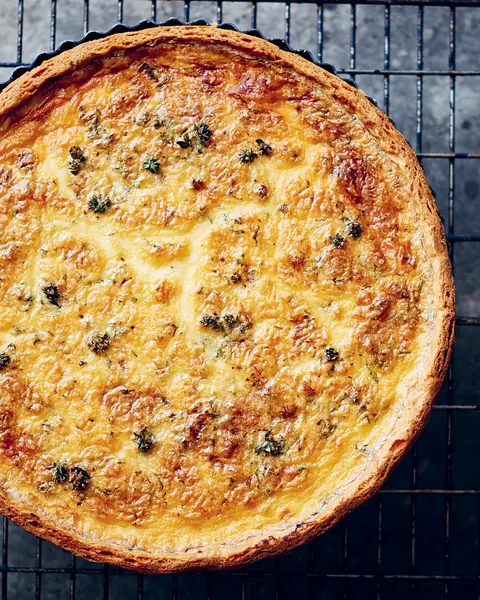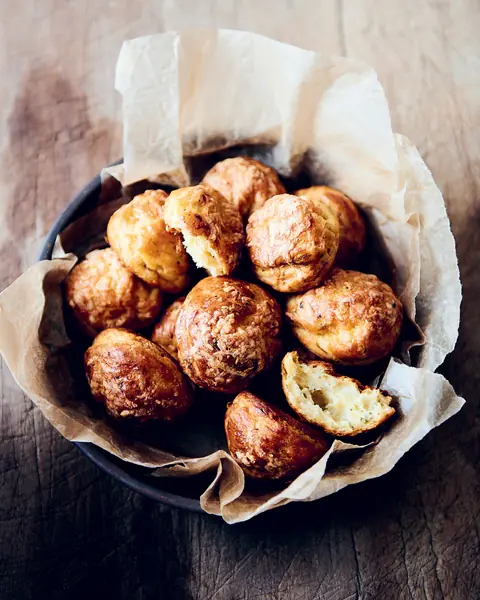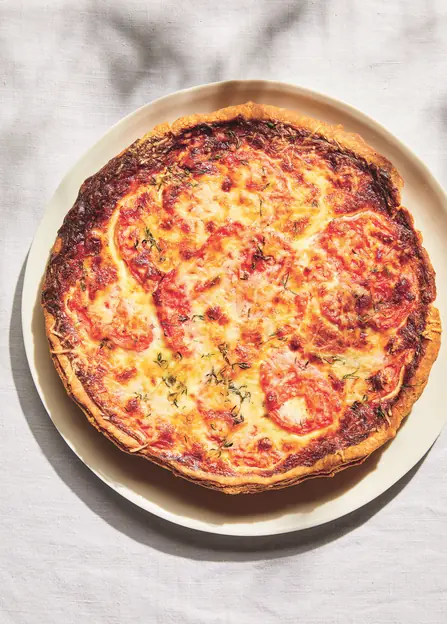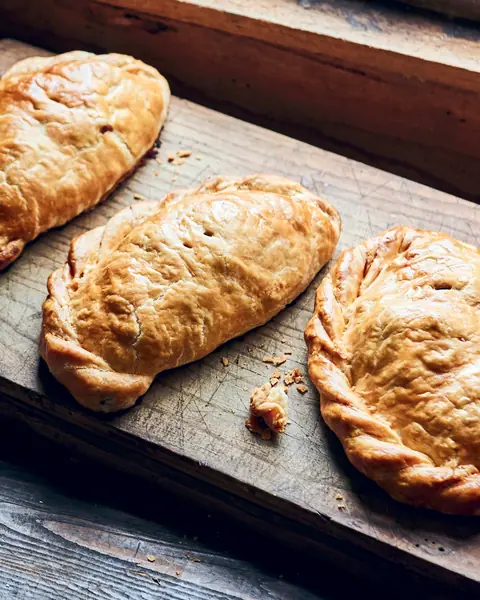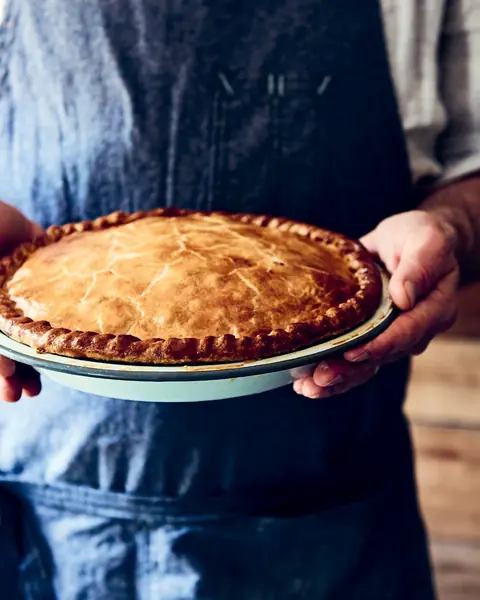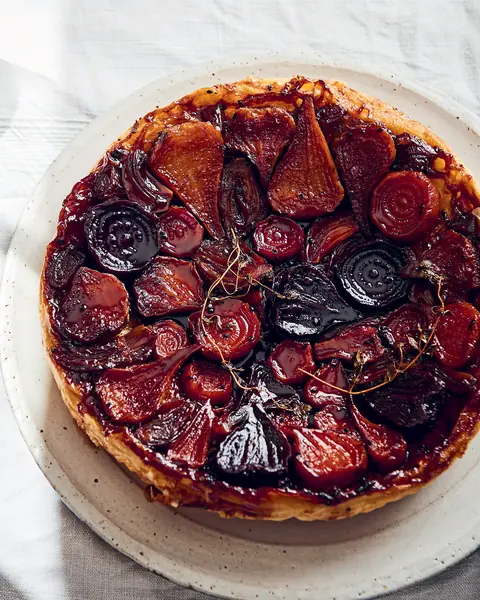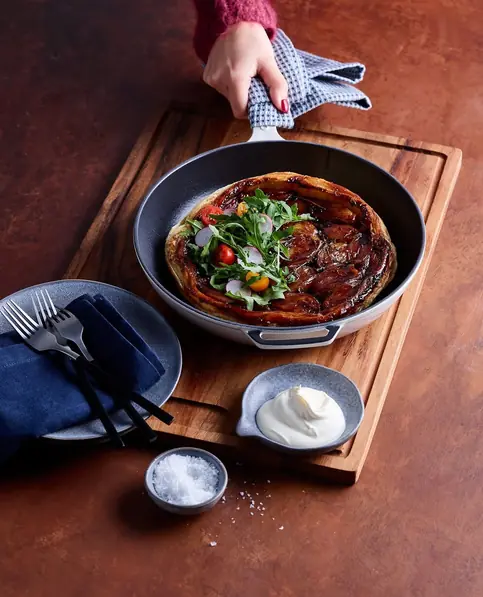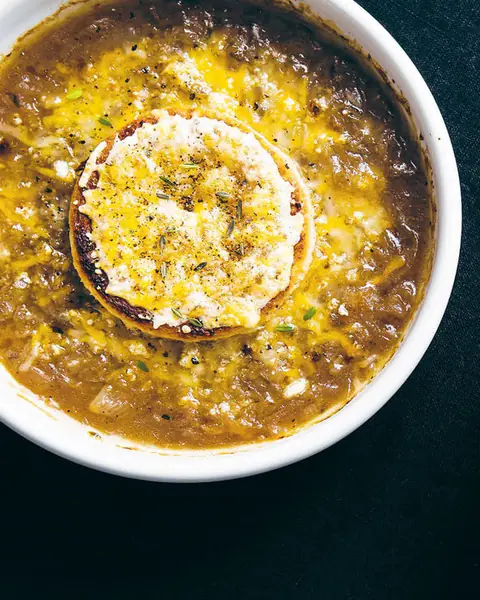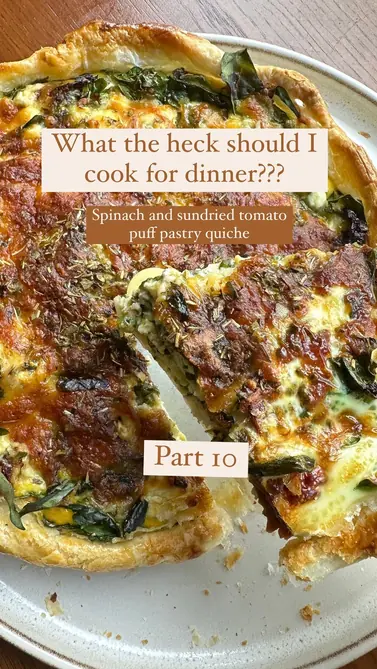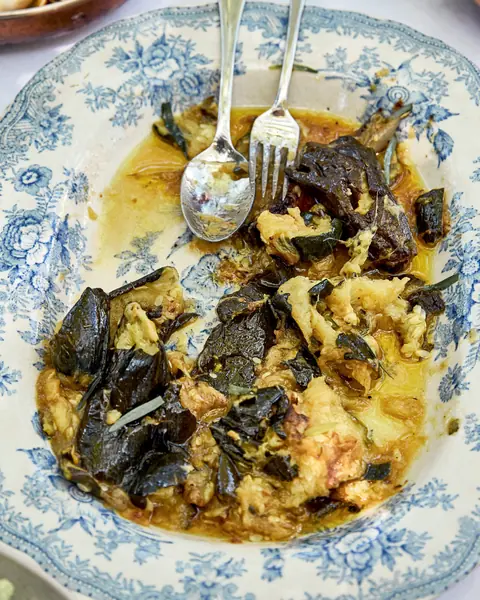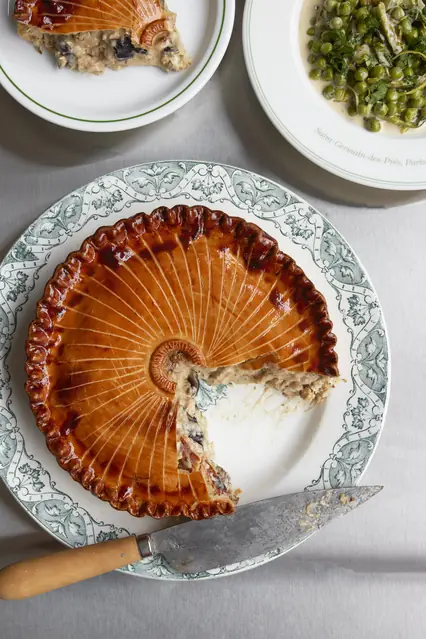
I love the sweetness of roasted red onion with the earthiness of mushrooms, and they both work so well with the tarragon. For variation in flavour and texture, I use different types of mushrooms, but you can use your favourite mushrooms or whatever is in season.
Ingredients 17
Your new home
for cooking
Turn your recipe chaos into a plan for the week.
Browse 1000+ inspiring creator recipes
Unlimited recipe import from social media, blogs and more
Generate shopping lists and meal plans in seconds with AI
Method 13
First line your tart tin (see my tips). Lightly grease a 23 cm (9 in) round, 3.5 cm (1½ in) deep tart tin with a little . Put the on a lightly floured kitchen bench and roll it out into a large disc 3–4 mm (⅛ in) thick.
Gently lay the over the tin, then use your thumb to firmly press the pastry into the base. Trim off the excess pastry with a knife, leaving a little overhanging the edge to allow for shrinkage. Transfer to the fridge to rest for 1 hour.
Preheat the oven to 190°C (375°F). Line the rested pastry case with aluminium foil and fill with granulated sugar until heaped. Bake for 30 minutes, then reduce the oven to 160°C (320°F), remove the foil and sugar and bake for a further 20 minutes, or until golden. If you find the middle puffs up, prick the pastry a few times with a fork.
Cut the in half or thirds (depending on size), leaving the skin on. Trim the top and bottom of each onion so it sits flat, then put the pieces, cut side up, in a roasting tin. Drizzle with 30 g (1 oz/1½ tablespoons) of the and sprinkle the and over the top.
Divide 30 g (1 oz) of the butter into small pieces and place on top of each onion piece. Roast for 45 minutes, or until the onion is softened and slightly browned on the edges. Set aside to cool.
Use a pastry brush to remove any dirt from the , then slice or shred into 3–4 cm (1 1/4–1½ in) pieces. Melt 20 g (¾ oz) with 20 g (¾ oz/1 tablespoon) in a large frying pan over a medium heat. Add half the mushrooms and half the and cook, stirring, until golden brown.
Add a squeeze of the 's juice to the pan, then transfer the to a colander to drain. Repeat with the remaining mushrooms, and lemon juice, adding more and as required.
To prepare the custard, whisk together the , , , , , and in a large bowl.
Turn the oven back up to 190°C (375°F). Squeeze out any remaining moisture from the and scatter them over the base of the tart shell. Remove the skins from the halves, then pat off any excess moisture with a clean tea towel (dish towel).
Put one half, cut side up, in the middle of the quiche, then arrange the remaining onions in a circle around it. Break up the and scatter it over the and in between the onions.
Give the custard a stir to evenly disperse the ingredients, then transfer it to a jug to make filling the quiche easier. Slide out your oven shelf, place the tin on the shelf, then pour the custard into the shell, being careful not to overfill it. Or fill it on the bench and carefully transfer to the oven. The custard should fill the spaces around the onions, leaving them visible at the top.
Bake for 10 minutes, then reduce the oven to 160°C (320°F). Bake for a further 20–25 minutes, turning the tin halfway through, until the centre of the quiche feels firm but still has a slight wobble. It should be firm rather than runny, but only just cooked.
Transfer to a wire rack and cool in the tin for at least 30 minutes to let the custard set. Serve warm or at room temperature. Keeps in the fridge for 3–4 days.

Urbanstead's tips
I’ve used crème fraîche in this recipe to add a little acid; you could use sour cream or a plain milk kefir instead. Fresh goat’s cheese provides a balance for the sweetness of the roasted onions – a more mature cheese will give a deeper flavour.
Before you first roll out your cooled and rested dough, bang it with a rolling pin, hard enough to leave some indentations. This makes it more pliable and easier to use.
Before rolling out the dough, lightly dust your kitchen bench with flour. Use a light dusting of flour – too much and the pastry will move around a lot and the flour can get caked on; not enough and it can stick to the work surface, especially on a hot day. The best way to roll is away from you, applying an even pressure, but do not press downwards. While rolling, allow the rolling pin to move in a forward-rolling motion to ensure an even roll. Turn the pastry ninety degrees when you need to.