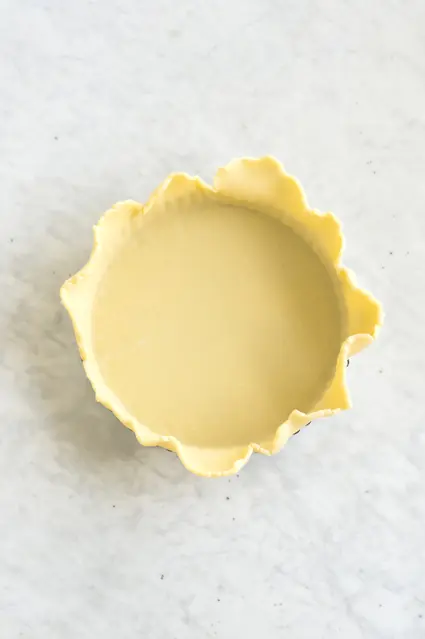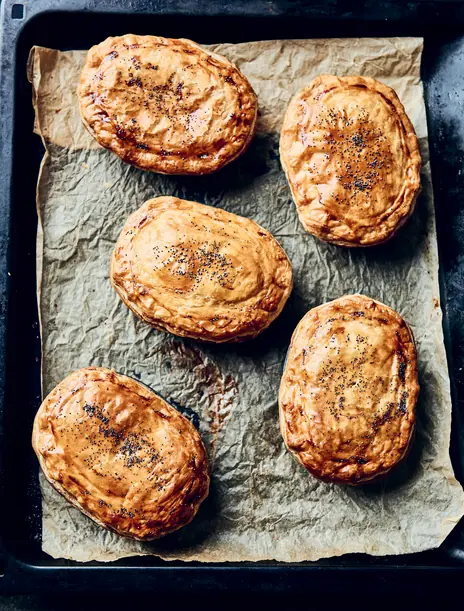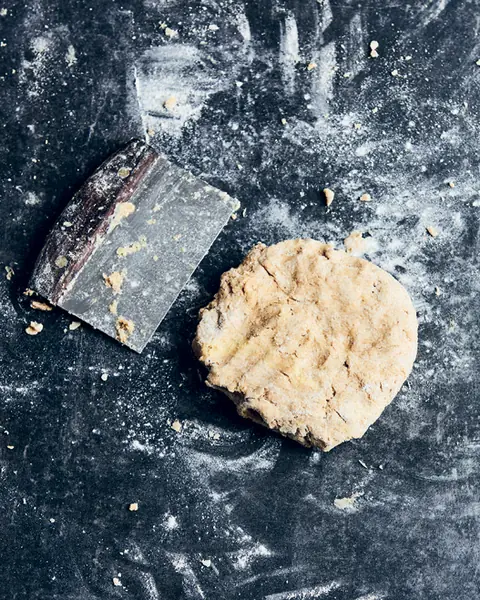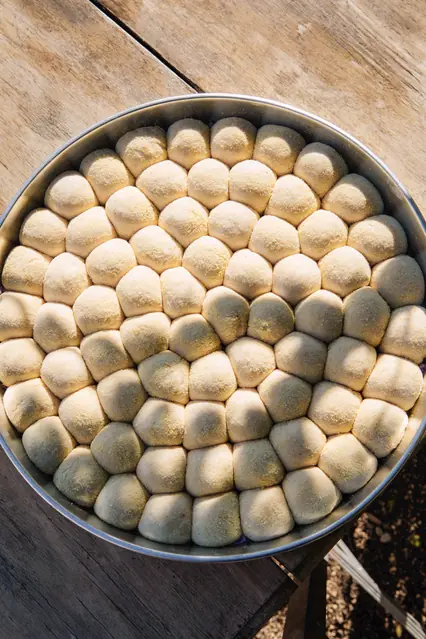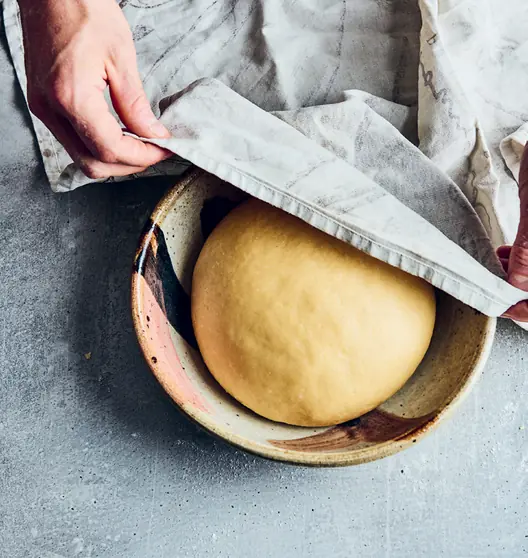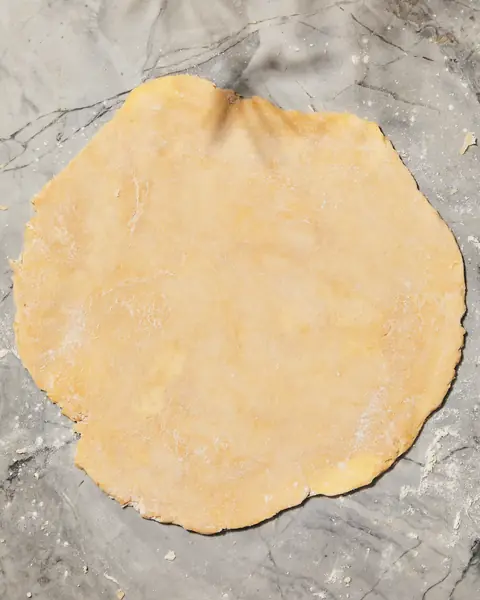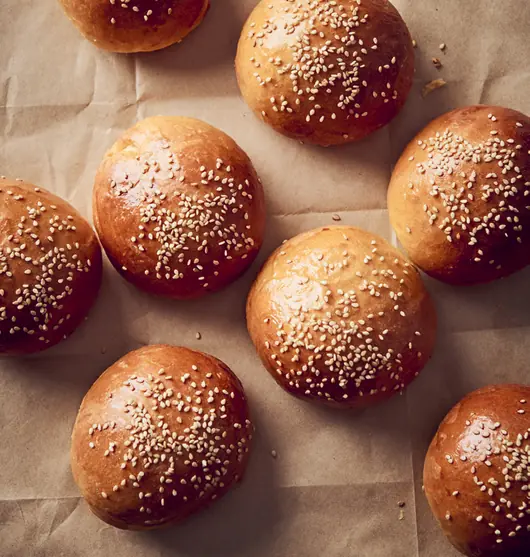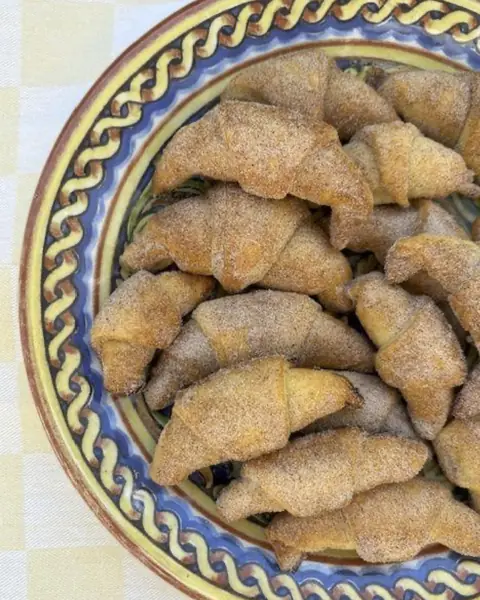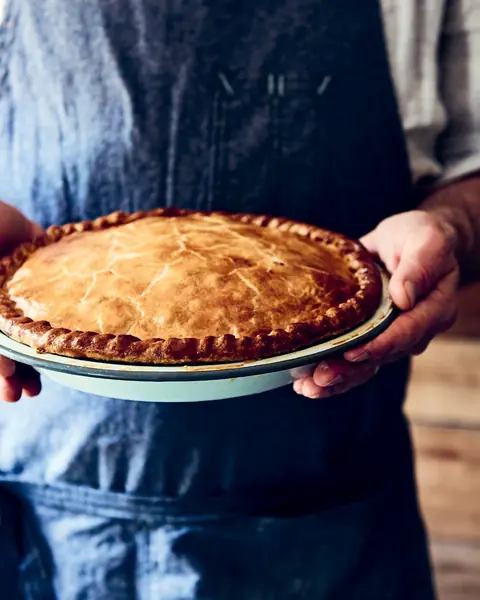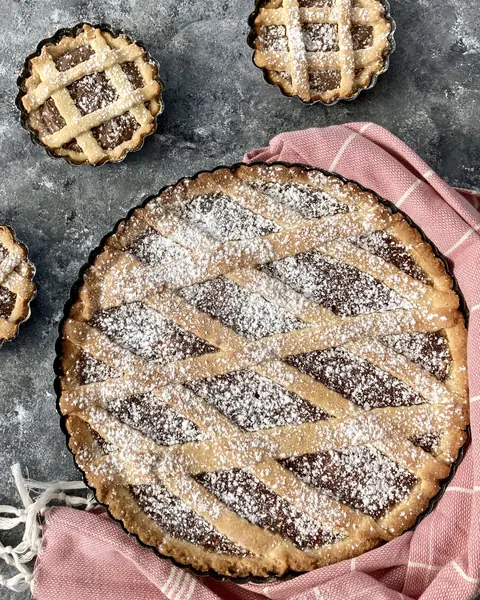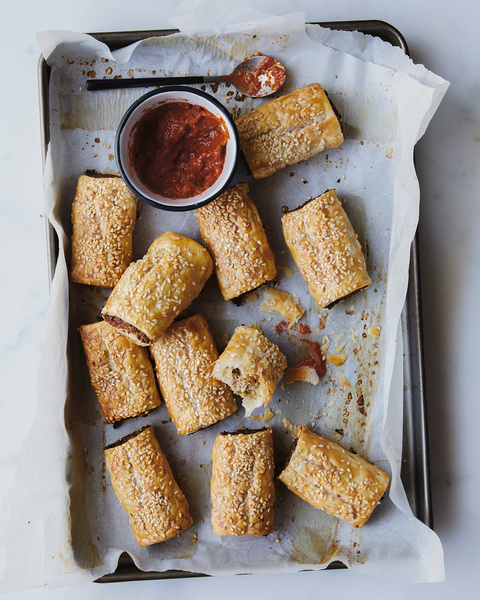
This is the pastry I use for all savoury pie bases, whether for individual pies or a large one. Being very sturdy, it can also be used as a base for quiches. The leftover dough or trimmings can be used again until they are used up, although the texture will change. It’s very easy to make, and is therefore a good pastry introduction for children learning alongside you.
Ingredients 5
Your new home
for cooking
Turn your recipe chaos into a plan for the week.
Browse 1000+ inspiring creator recipes
Unlimited recipe import from social media, blogs and more
Generate shopping lists and meal plans in seconds with AI
Method 12
Combine the and in a jug. Put the and in a mound on your kitchen bench and scatter the chilled over the top.
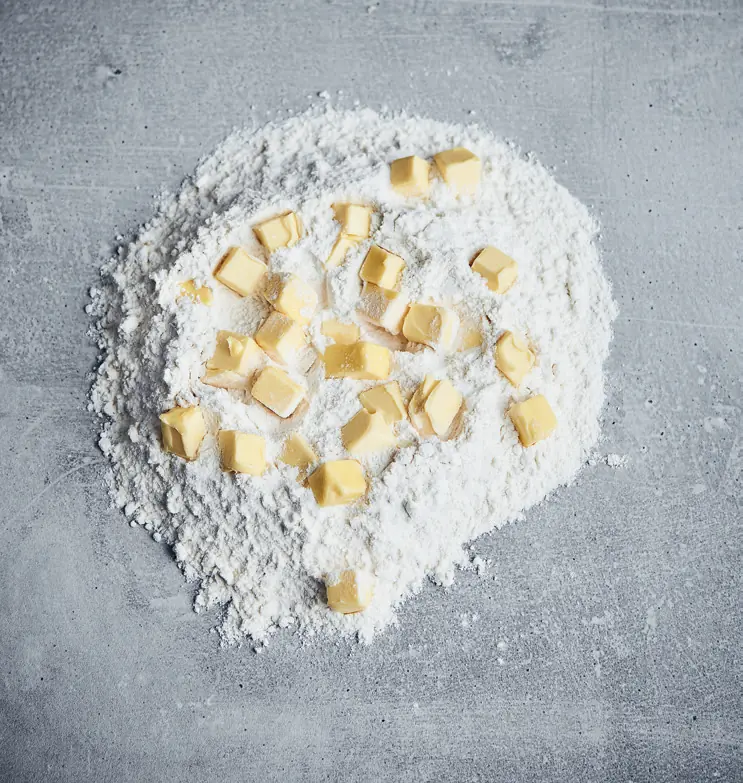
Use a rolling pin to roll the into the , gathering the flour back into the middle as you go with a dough scraper or spatula.
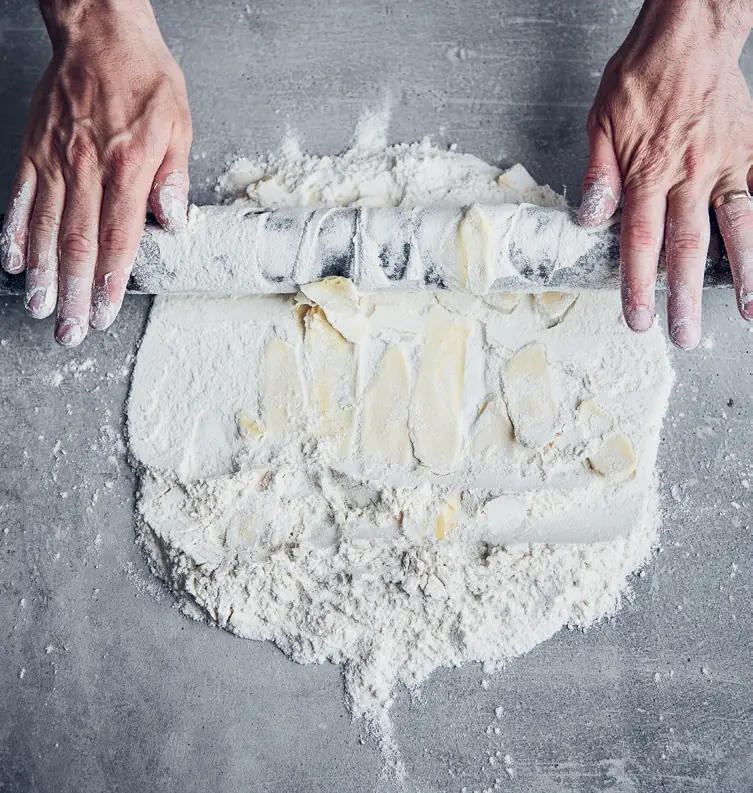
Make a well in the middle and add the and mixture.
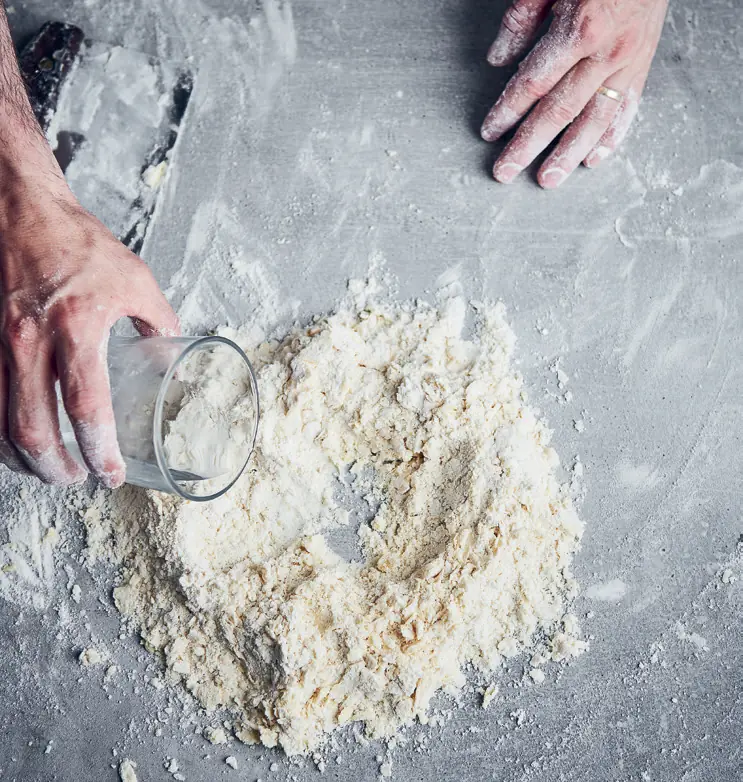
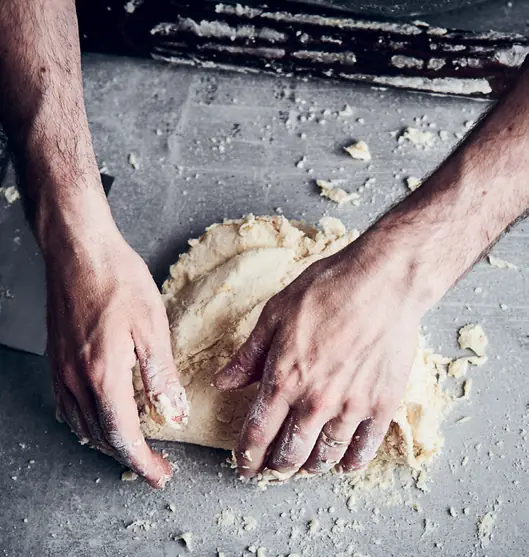
Continue using the dough scraper to fold the over the liquid and gently work it in with your hands, working from the outside in, until the dough just comes together.
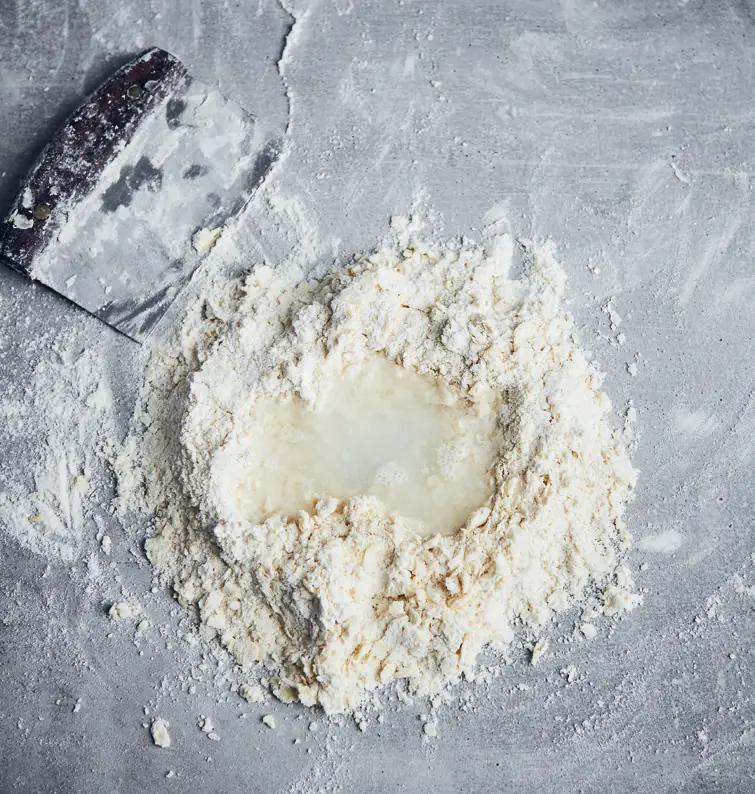
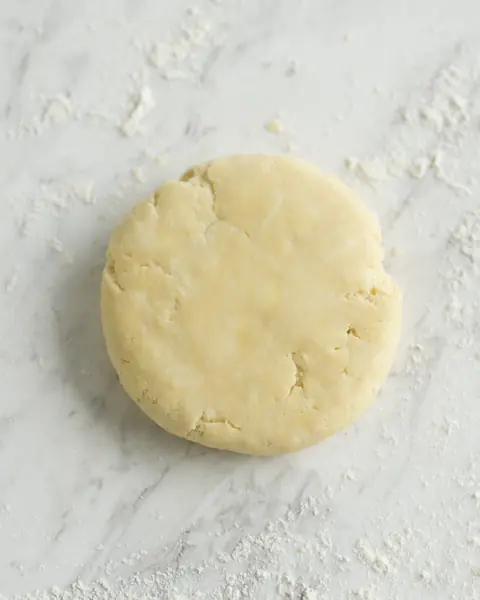
The dough should be firm and not sticky to the touch.
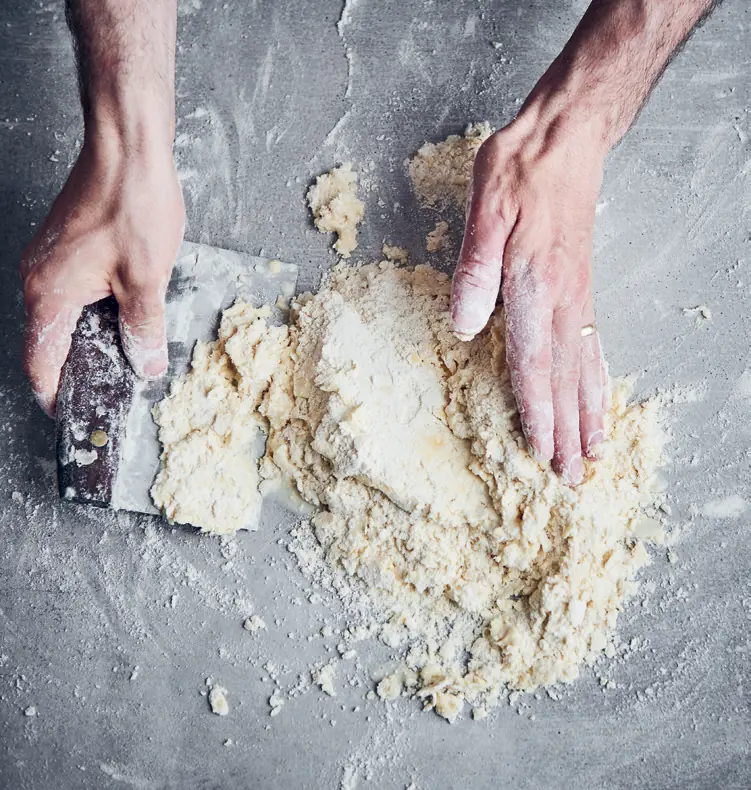
Roll out or press the dough into a rectangle 2–3 cm (¾–1 1/4 in) thick (exact dimensions are not important here).
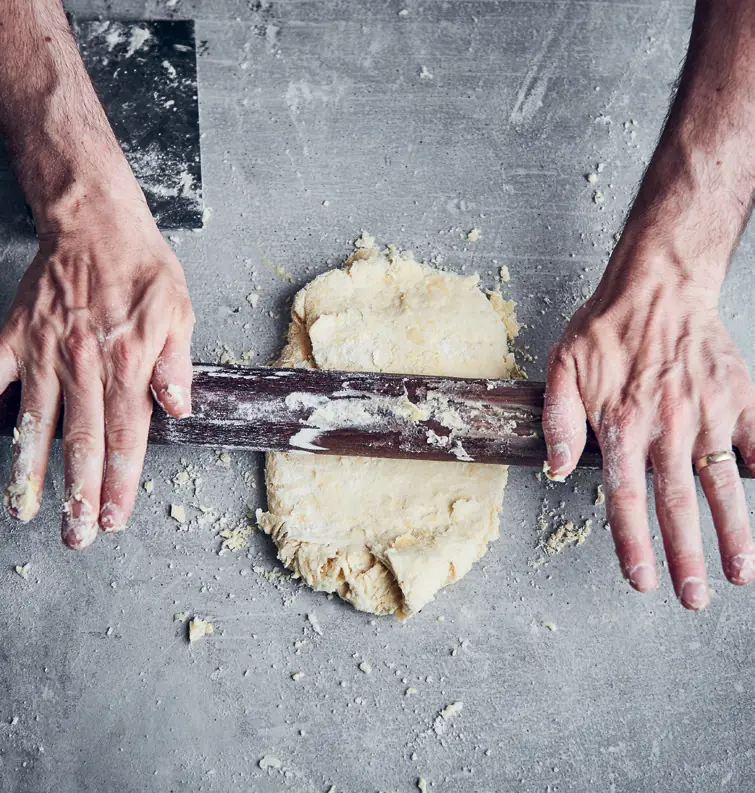
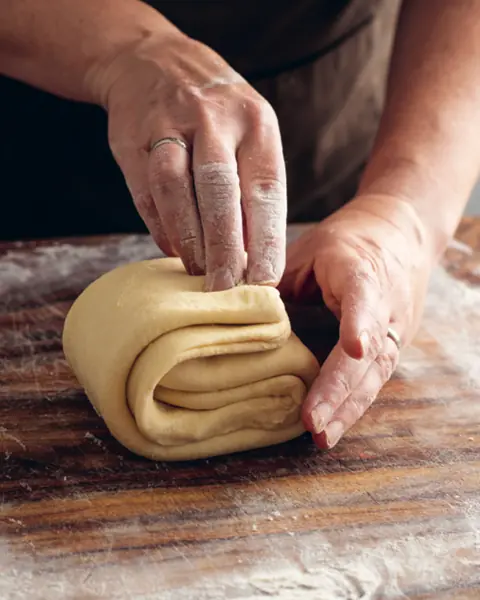
Fold one-third of the dough into the middle, then the other third over the top of that, as if folding a letter.
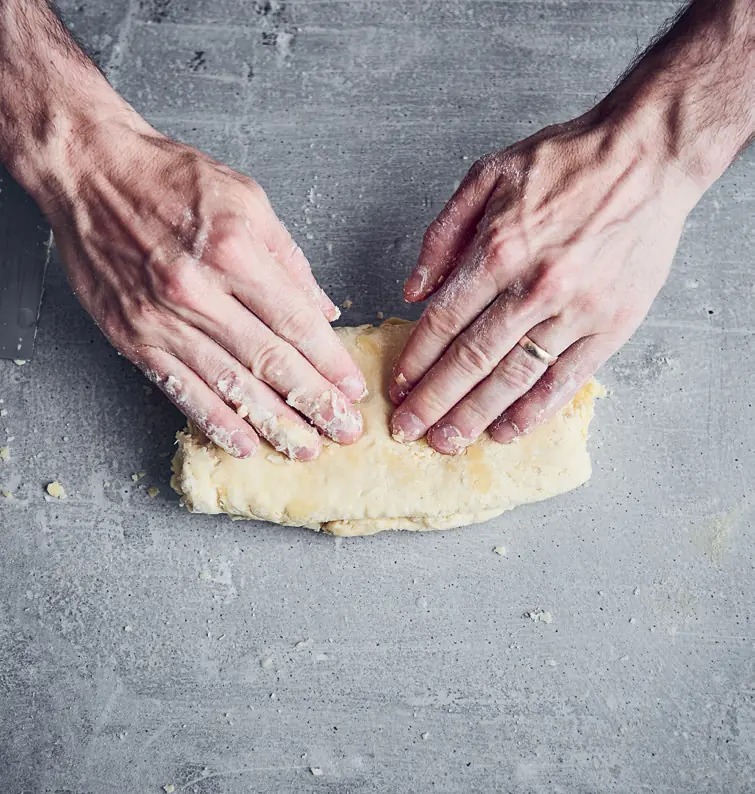
Rotate the dough 90 degrees and roll it out again into a rectangle 2–3 cm (¾–1 1/4 in) thick, then repeat the letter fold. Don’t worry about making these folds perfectly neat – this is just to finish bringing the dough together and layering the , which results in a lovely flakiness.
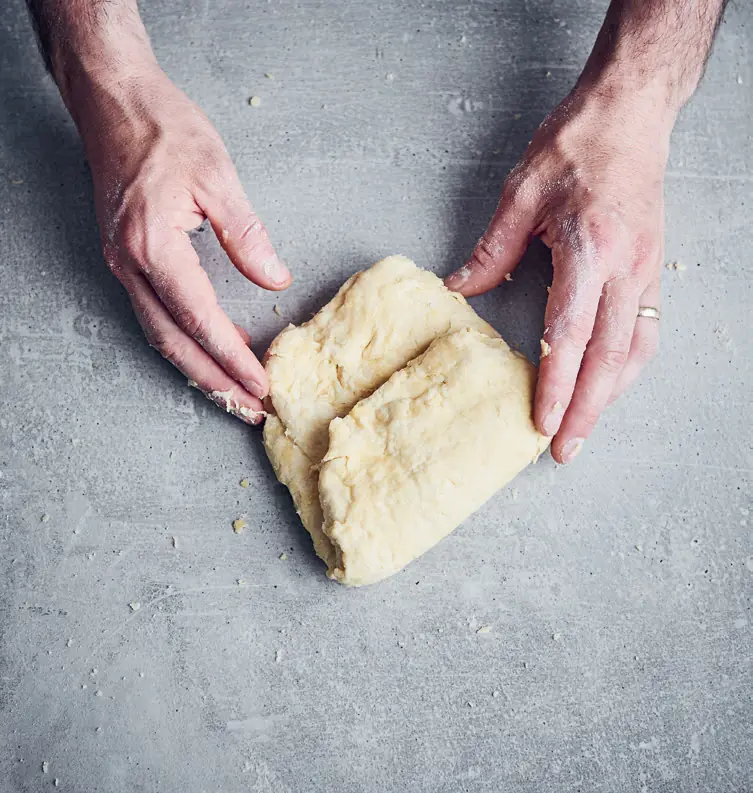
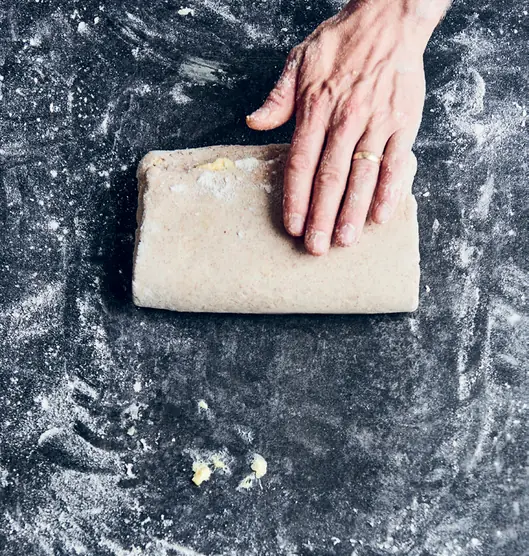
Flatten the dough into a rectangle about 2 cm (¾ in) thick. Wrap the dough and rest it in the fridge for at least 1 hour, or overnight, before using. The pastry will keep for 1 week in the fridge, or up to 3 months in the freezer.
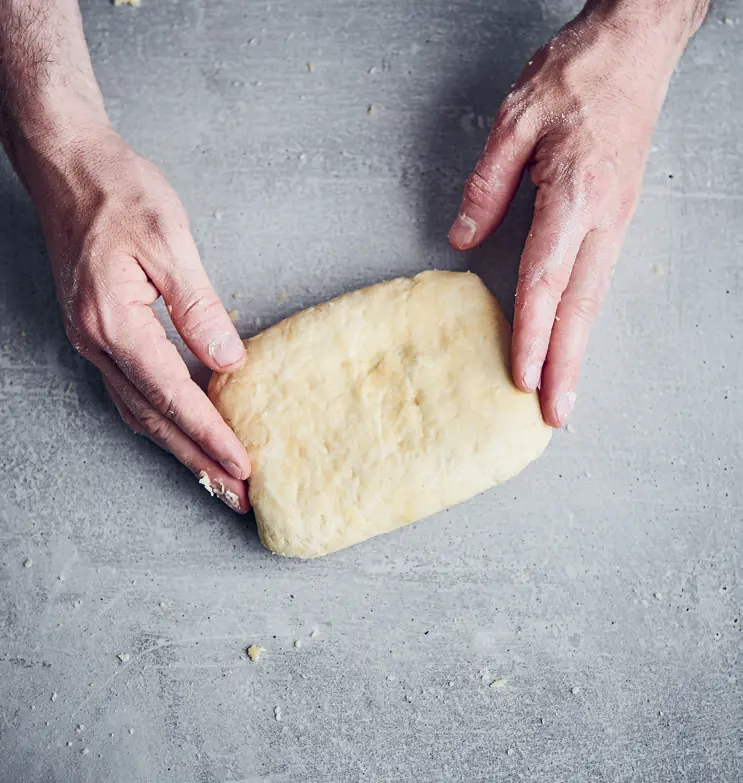
Stand Mixer Variation
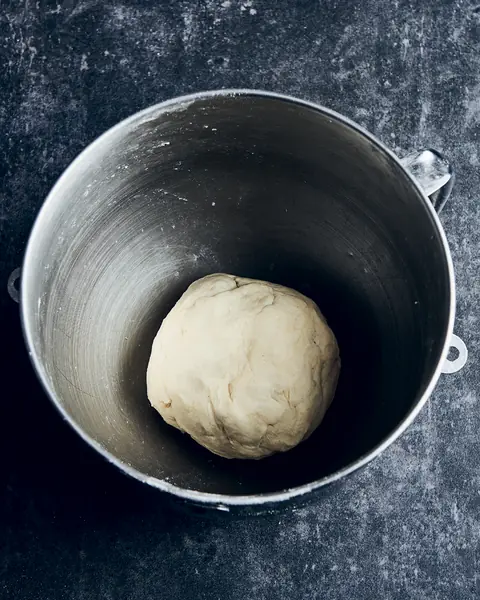
If you prefer to use a stand mixer to make this dough, put the , and in the bowl of the mixer fitted with the paddle attachment. Mix on low speed to break the butter into the flour until you have shards of butter still visible and the mixture starts to look yellow.
With the mixer running, slowly pour in the vinegar mixture and mix until the dough just comes together. You don’t want any dry pieces, but you need to be careful not to overwork it. You can add a bit more if you have any dry clumps, but don’t let the dough get sticky.
Proceed with the above rolling and shaping instructions from here.

Urbanstead's tips
Once made, the dough will set hard because it has lots of butter, so take it out of the fridge at least an hour before you roll it so that it’s malleable without being soft.