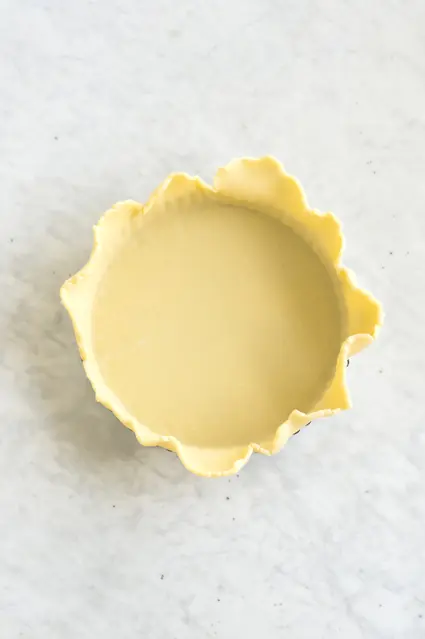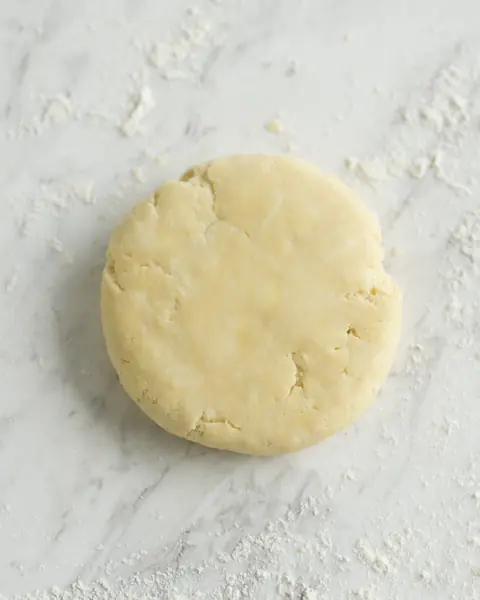
This has been my go-to pastry for years. It’s perfect for lots of my favourite bakes, such as galettes, quiche or tops for pot pies. It is very easy to make and use, and it gives you a wonderfully light, flaky crust.
To increase the versatility, I have included variations for wholemeal and whole rye. Try any grains you can get your hands on and celebrate the difference in flavours.
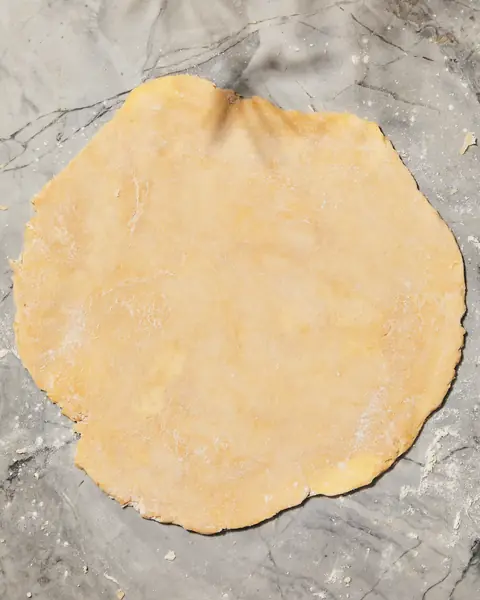
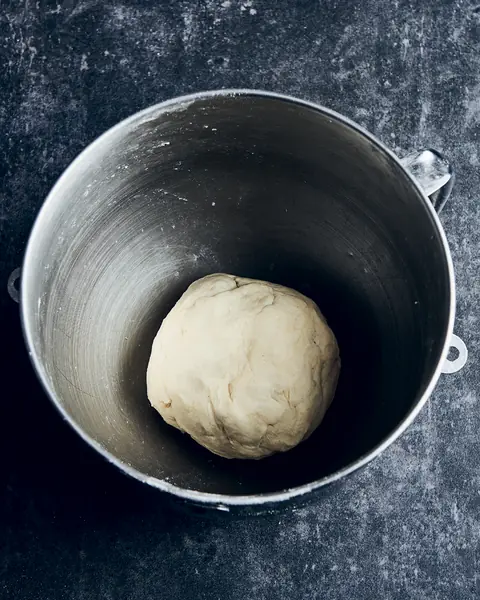
The pictured dough was made using whole spelt flour.
Makes 700 g (1 lb 9 oz)
Ingredients 6
Wholemeal Variation
Whole Rye Variation
Your new home
for cooking
Turn your recipe chaos into a plan for the week.
Browse 1000+ inspiring creator recipes
Unlimited recipe import from social media, blogs and more
Generate shopping lists and meal plans in seconds with AI
Method 11
Cut the into 1 cm (½ in) cubes and chill it in the freezer while you weigh up the rest of your ingredients.
Put the and in a mound on your kitchen bench and scatter the chilled cubes over the top.
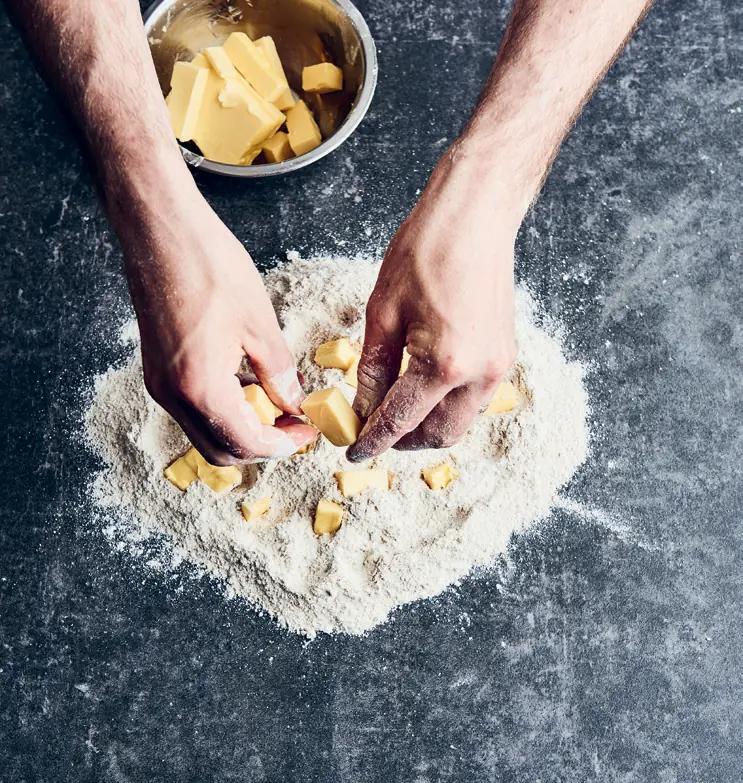
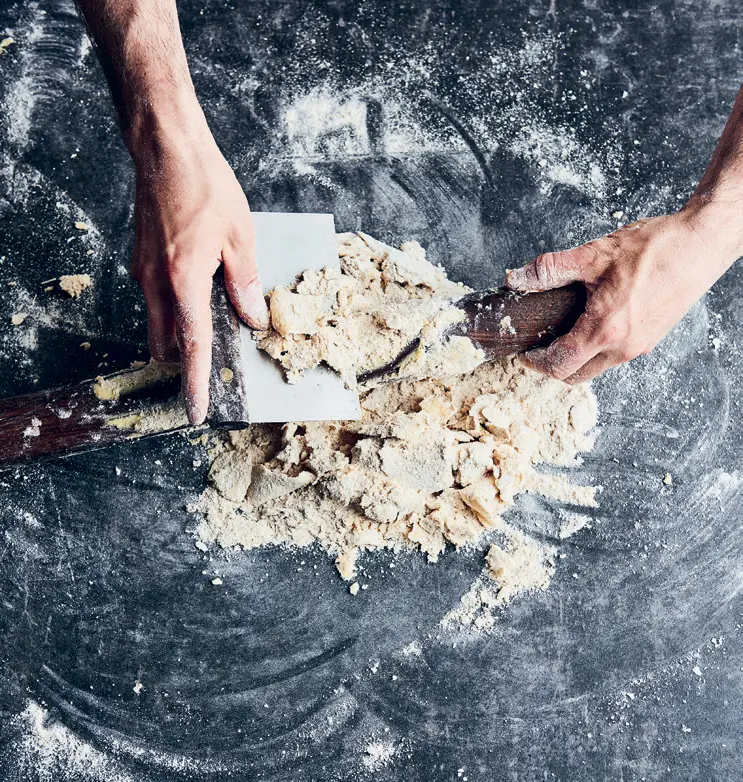
Use a rolling pin to roll the into the , gathering the flour back into the middle as you go with a dough scraper or spatula.

Keep rolling until the mixture is crumbly with shards of the size of rolled oats still visible.
Make a well in the middle and add the .
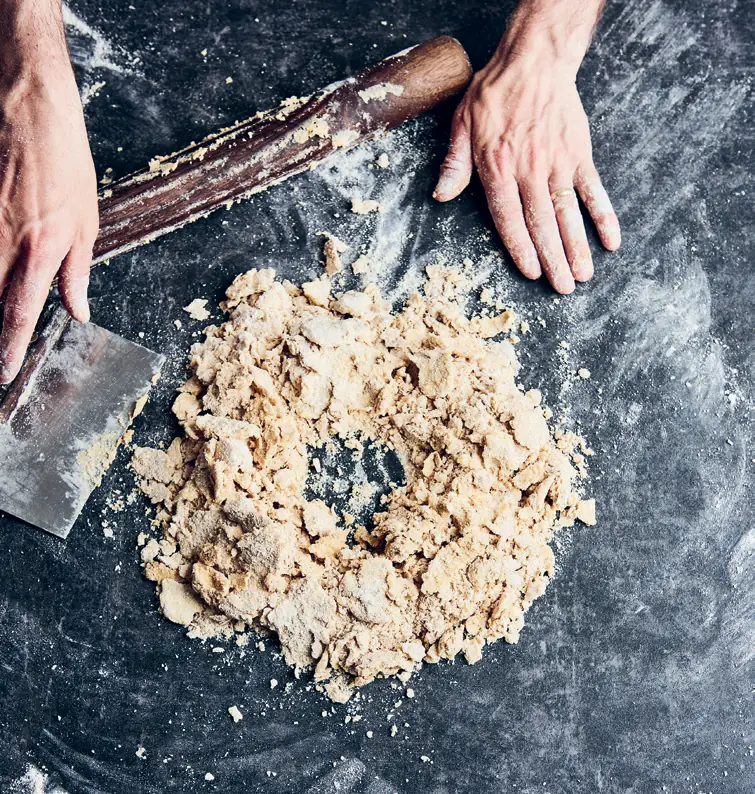
Use a dough scraper or knife to gently cut the into the , gathering up any leaks as you do, until you have an even crumbly texture.
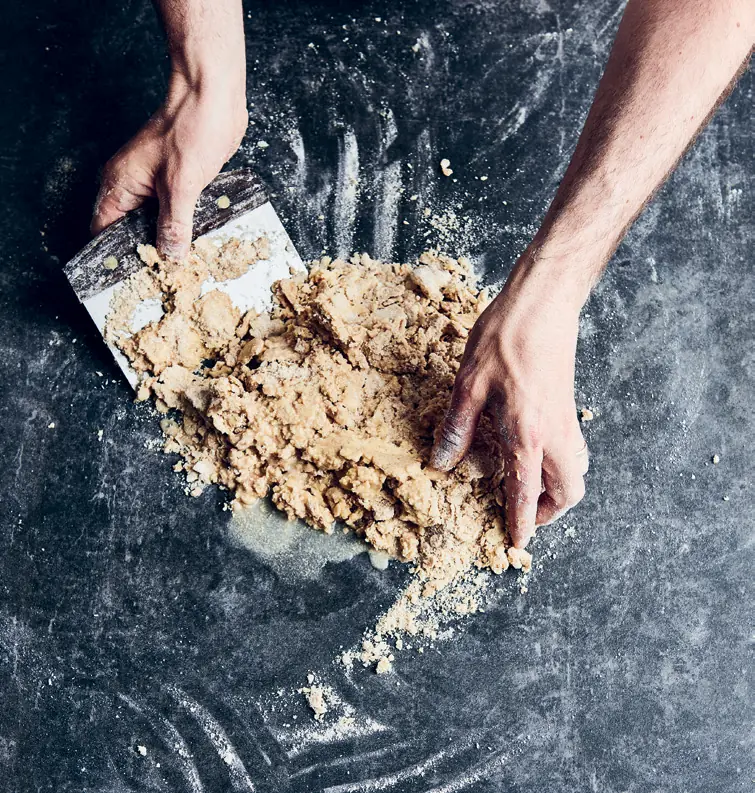
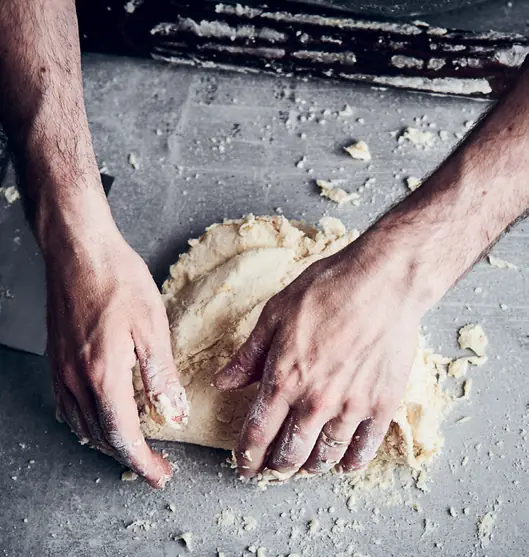
Use your fingertips to gently push it all together into a rough dough with a slightly sticky texture. If it feels dry, add more water, 1 tablespoon at a time, until there are no floury bits left.
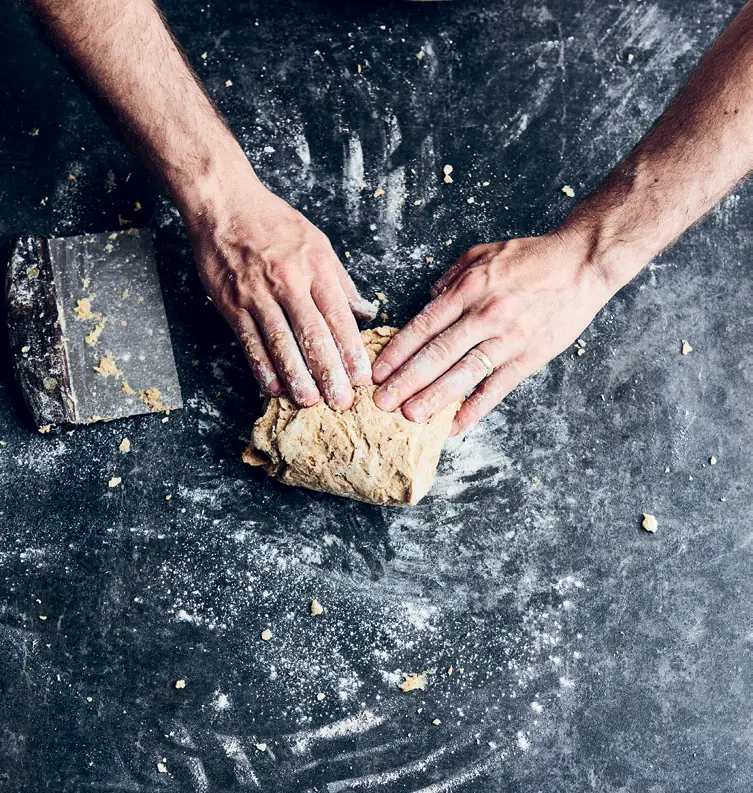
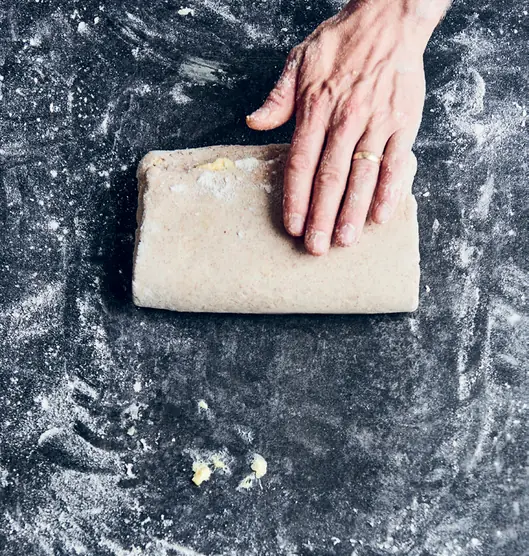
Roll out or press the dough into a rectangle 2–3 cm (¾–1 1/4 in) thick (exact dimensions are not important here). Fold one-third of the dough into the middle, then the other third over the top of that, as if folding a letter.
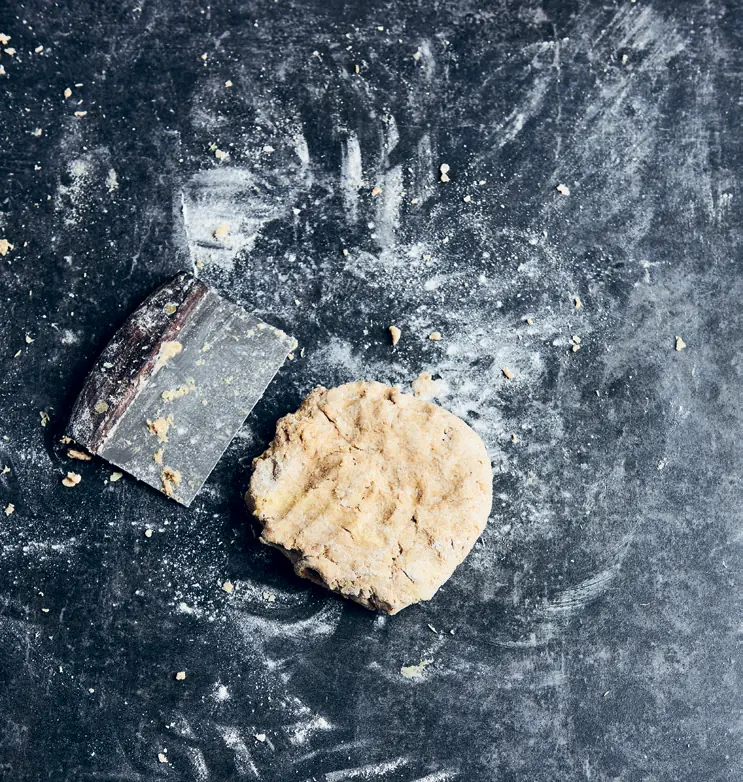
Rotate the dough 90 degrees and roll it out again into a rectangle 2–3 cm (¾–1 1/4 in) thick, then repeat the letter fold. Don’t worry about making these folds perfectly neat – this is just to finish bringing the dough together and layering the , which results in a lovely flakiness.
Rotate and roll out the dough once more into a rectangle 2–3 cm (¾–1 1/4 in) thick and do one last fold.
Wrap and refrigerate for at least 1 hour, or overnight. The pastry will keep for 4–5 days in the fridge, or up to 3 months in the freezer.

Urbanstead's tips
If you want to add even more flavour, substitute the water with crème fraîche, sour cream or milk kefir. When using wholemeal or rye, the absorbency of the flour will differ, so check the dough as you mix and add more liquid if needed.
Wholegrain flours absorb more liquid than plain. If you find the dough too dry, add extra water, 1 tablespoon at a time, until you have the correct consistency.
I recommend making the plain dough first so you get to know how the dough should feel. Once you’re comfortable with that, you can change the flours and liquids used, knowing what you’re aiming for.