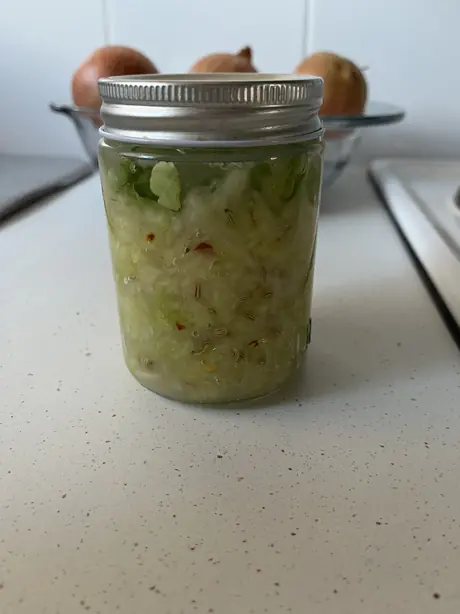
If you want to get into lacto-fermentation and support good gut health, this is a great place to start. Cabbage releases a lot of water when mixed with salt, creating its own brine; it’s an easy process and a hugely satisfying transformation to witness.
Ingredients 4
Your new home
for cooking
Turn your recipe chaos into a plan for the week.
Browse 1000+ inspiring creator recipes
Unlimited recipe import from social media, blogs and more
Generate shopping lists and meal plans in seconds with AI
Method 7
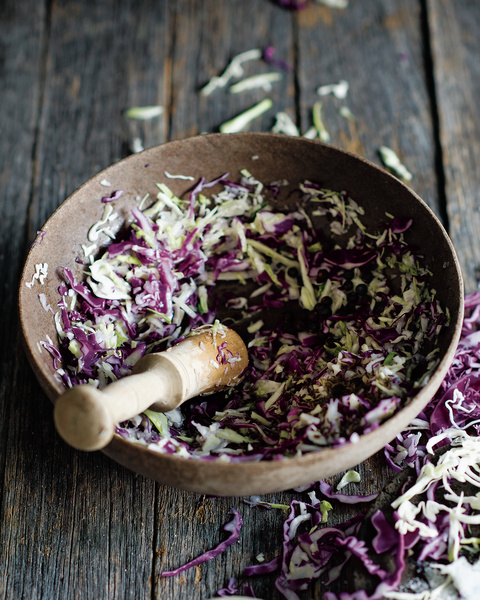
Remove the stem from the , then shred the leaves into thin strips. Weigh the shredded cabbage and then calculate 2% of the weight; this is the exact weight for your salt.
Put the in a large bowl and add the . Use your hands to massage the salt into the cabbage for about 10 minutes. The cabbage will release its liquid to create your brine, so you must persist even when your arms get tired.
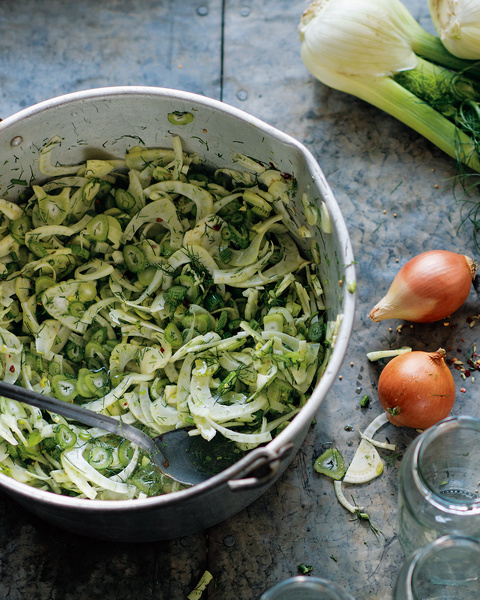
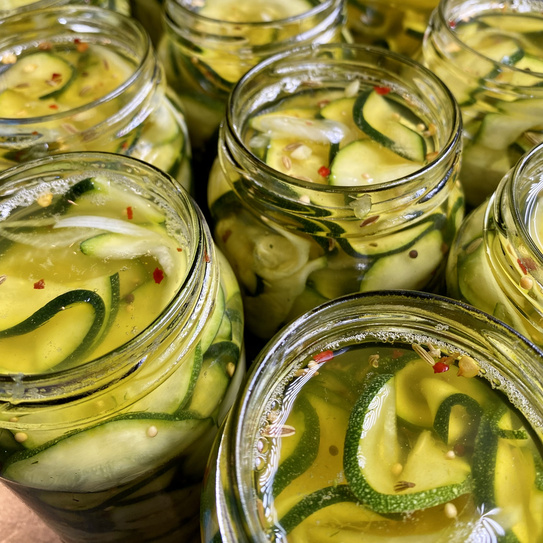
Add the and and mix them through. Pack the into sterilised jars (see my tips), pressing down so it’s tightly packed.
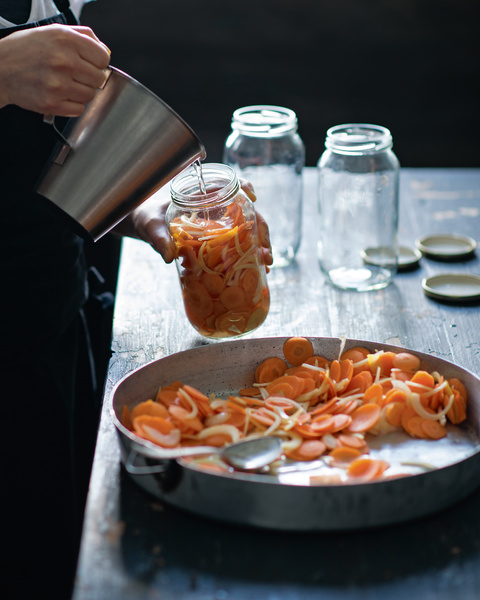
Pour in the released liquid, ensuring it covers the – any cabbage not covered will spoil. If you don’t have enough juice, add water to cover. Use a clean cabbage leaf and a sterilised weight on top of the pressed cabbage to help keep it submerged, and ensure you leave some room at the top of the jar for expansion during fermentation.
Seal the jars and leave to ferment at room temperature. After 3 days, remove the lid and push the down to compress it further, ensuring it’s still covered with liquid.
Leave it for another 2–4 days, depending on the weather. It will ferment faster in a warmer environment; a total of 5 days would be fine in summer, and up to 7 days in winter.
After this initial fermentation, store the sauerkraut in the fridge to slow down the process. It is now ready to eat. The sauerkraut will last for several months in the fridge, developing a stronger flavour the longer it’s stored.

Urbanstead's tips
Lacto-fermentation occurs when you add salt to vegetables and then leave them out at room temperature for a period of time. The salt destroys harmful bacteria but preserves healthy Lactobacillus bacteria as the vegetables degrade. For best results, the quantity of salt used should be between 1.5 and 2.5% of the total prepared vegetable weight.
Traditional sauerkraut is made with caraway seeds, but I like to use chilli to give it more punch. There is nothing better than having a jar of sauerkraut in the fridge to add to a sandwich or cheese toastie.
To sterilise your jars, preheat the oven to 120°C (250°F). Wash them in hot soapy water and rinse thoroughly, then place them in the oven for 20 minutes. Make sure your jars are completely dry and still warm when you fill them.
Notes
1