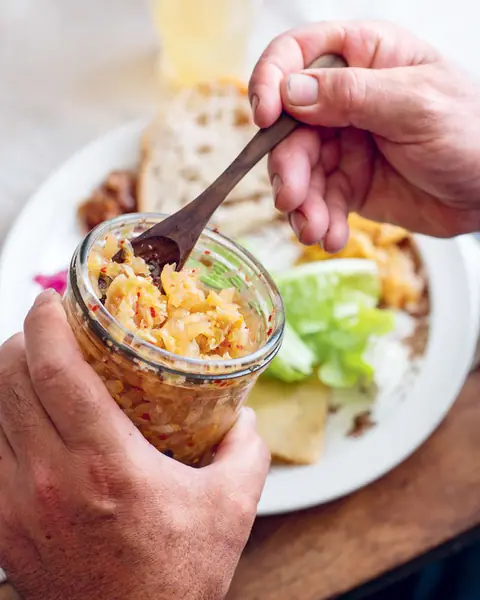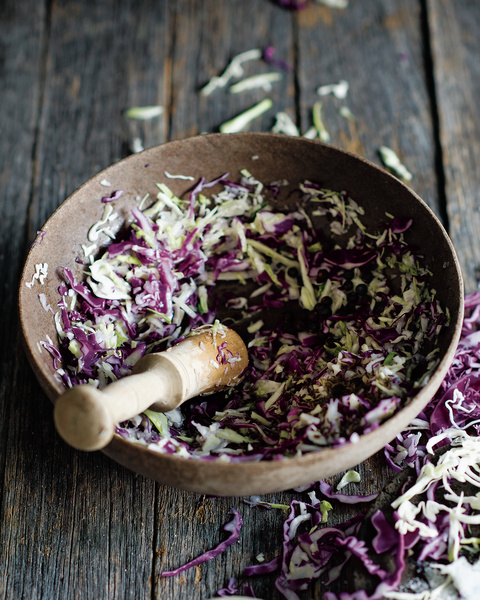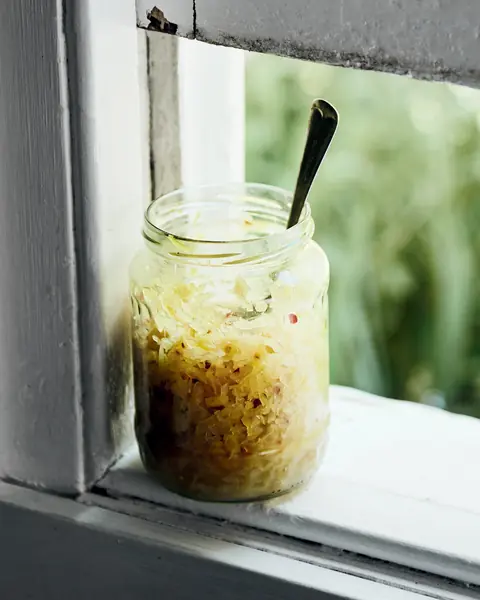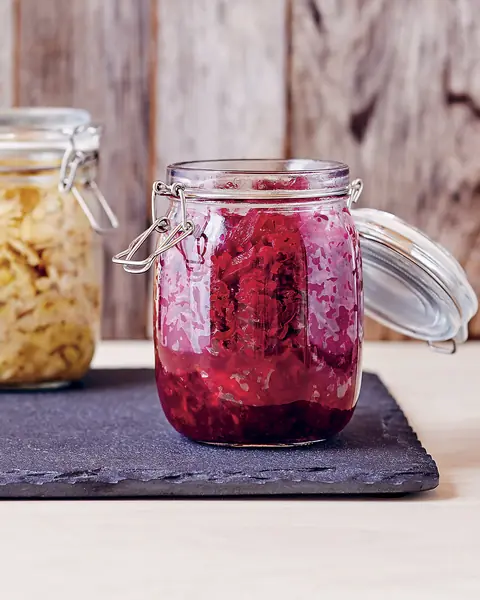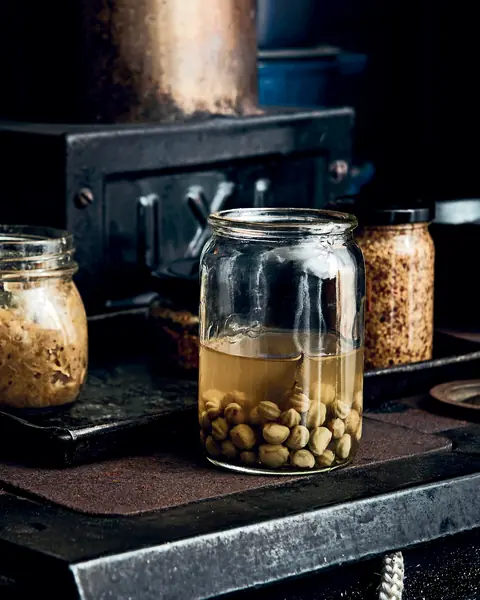
Fermentation is a food preservation process that has been used by most cultures, in some form, for thousands of years. It is a metabolic process that converts sugar to acids, gases or alcohol. Grains and fruit are fermented to produce beer and wine, milk is fermented to produce yoghurt, cheese is fermented, sourdough bread is fermented.
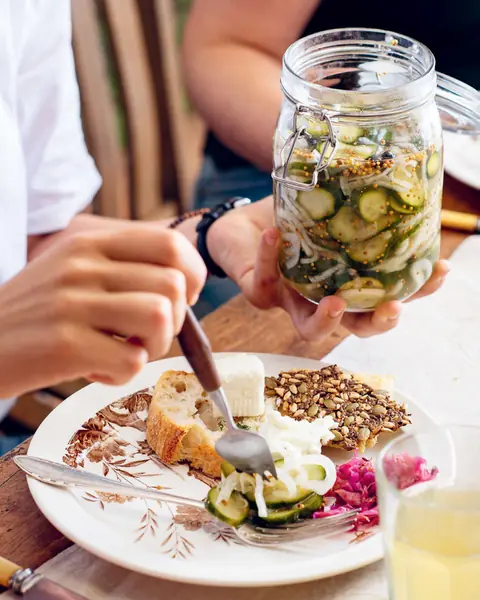
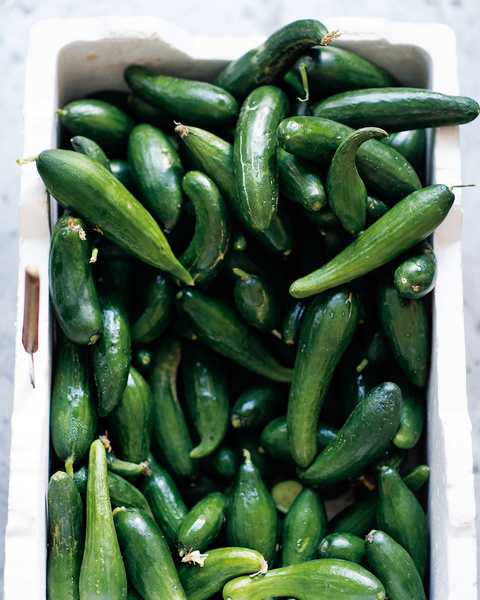
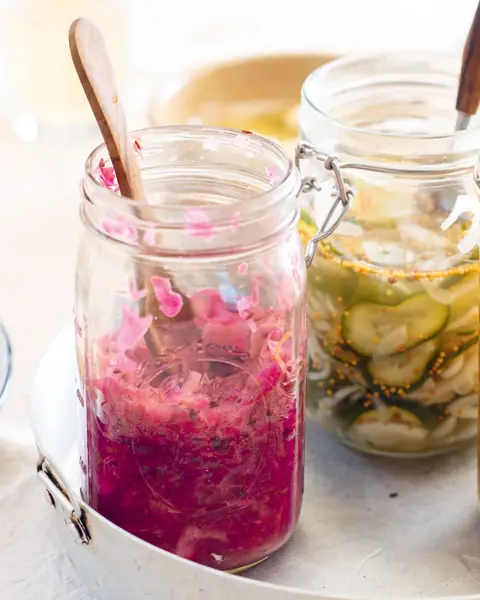
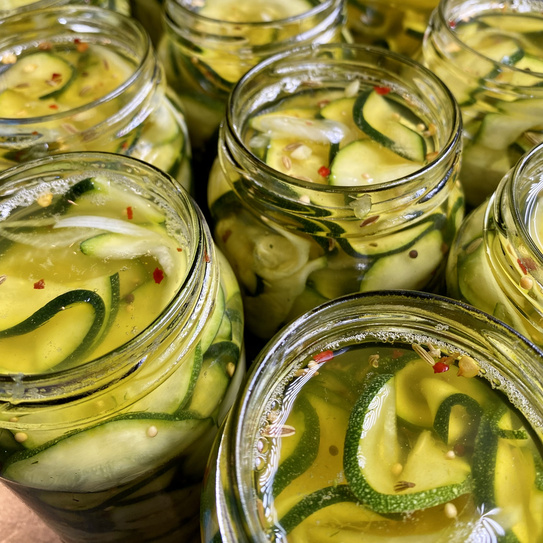
We make large volumes of these traditionally fermented pickles in summer when the pickling cucumbers are on and plentiful. We call them cloud pickles because the lactic-acid fermentation creates an obvious cloudiness in the clear brine.
Makes 1 x 1 L (34 fl oz / 4 cup) jar.
Ingredients 9
Your new home
for cooking
Turn your recipe chaos into a plan for the week.
Browse 1000+ inspiring creator recipes
Unlimited recipe import from social media, blogs and more
Generate shopping lists and meal plans in seconds with AI
Method 9
Properly clean a 1 litre (34 fl oz/4 cup) jar.
Gently clean and remove the flower ends from the (there’s an enzyme in the blossom end of cucumbers that can make your pickles soggy. There's nothing worse than a soggy pickle).
Stack the bottom of your jar with as many as you can fit, then add the , , and to the jar, along with the .
Add the , if using, to the jar, then fill the jar with as many more as you can fit. Do not allow the cucumbers to go up into the band/twist-top area. Make sure there’s at least 1 cm (½ in) of headspace between the top of the liquid and the lid.
To make the brine, dissolve the in the by stirring vigorously. Add the brine to the jar.
Add something to the top of the cucumbers to keep them submerged under the brine, such as ceramic fermentation weights, or a small lid, or a sealed bag full of water, or a folded leaf of grapevine or horseradish or oak leaf (see my notes).
Place the jar in a cool, dark place for approximately 1 week (in warm weather) and 2 weeks (in cold weather).
The liquid in the jar will turn cloudy. Do not be alarmed.
Refrigerate when the cucumbers are sour and crunchy and pickled (refrigeration stops the fermentation process). The pickles will keep in the fridge for up to 6 months.

Buena Vista Farm's tips
If you don’t have access to a water filter, leave a bowl or jug of tap water out on the bench overnight and the chlorine will evaporate.
On using ‘sacrificial’ leaves on top of your ferment: You can add a grapevine, horseradish or oak leaf to the top of the jar if you have one; it can work to keep the vegetables submerged. These leaves are particularly high in tannins and will help keep your pickles crunchy. Alternatively, when these summer leaves are not available, there are some winter leaves you can use: cabbage leaf, kale or broccoli leaf works well too.