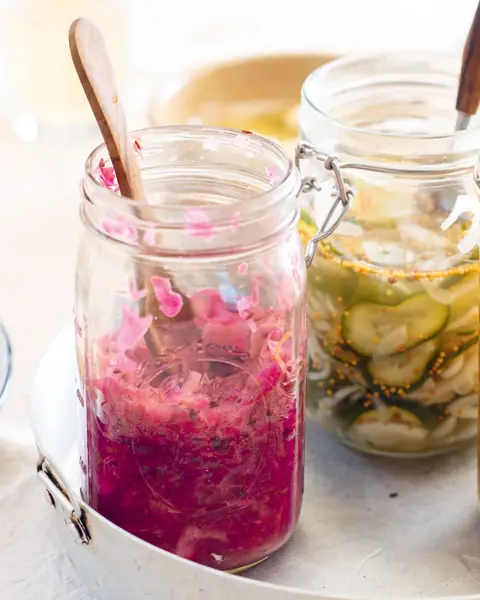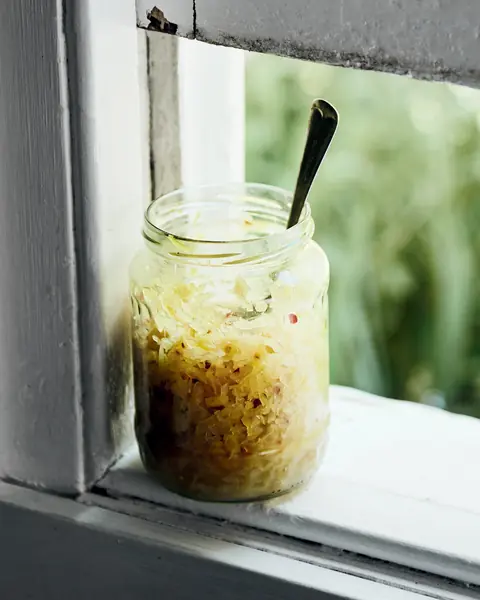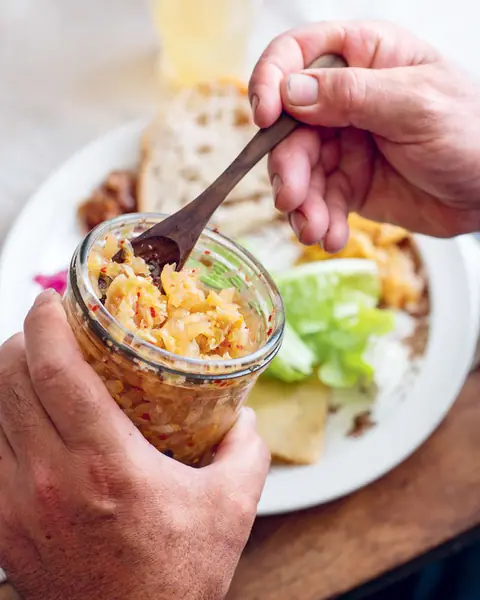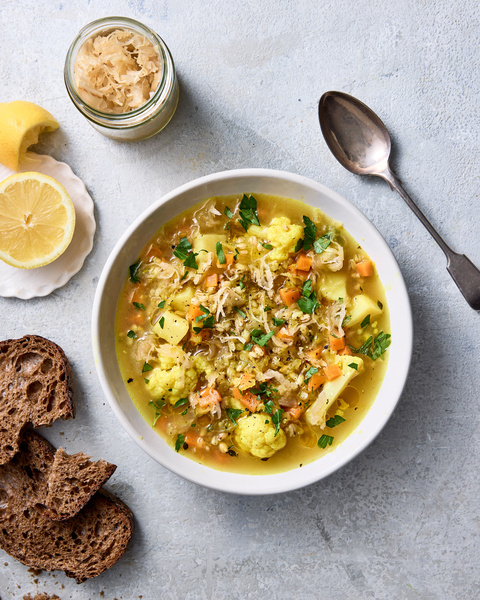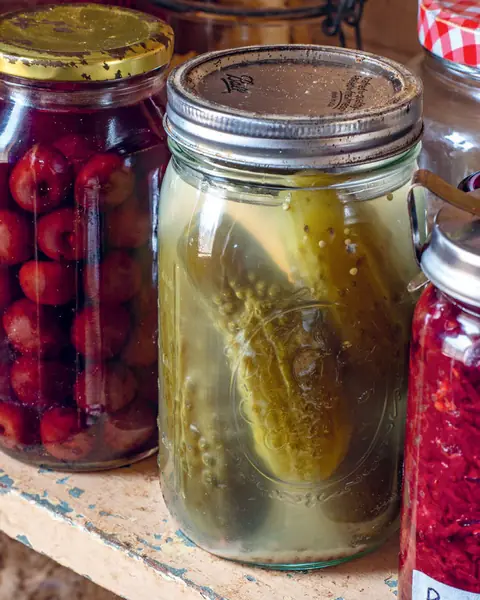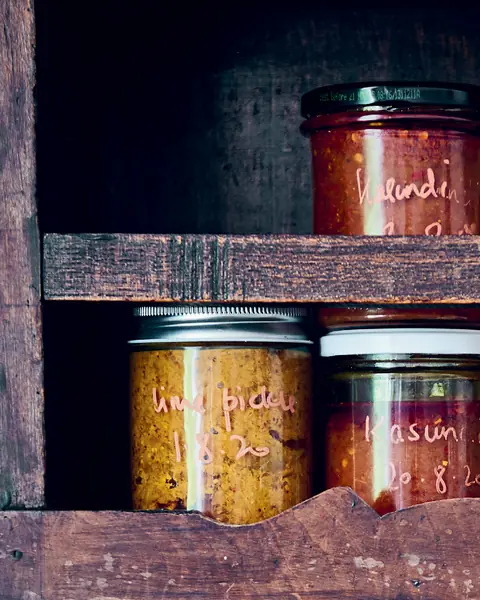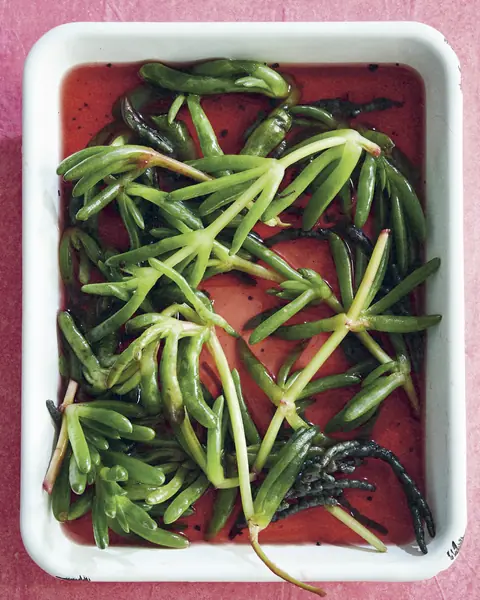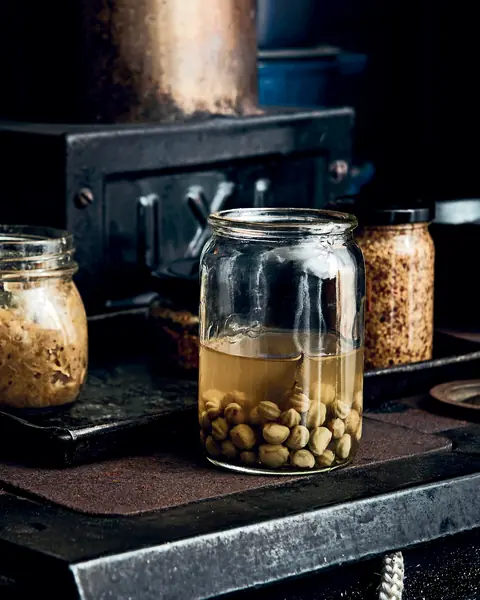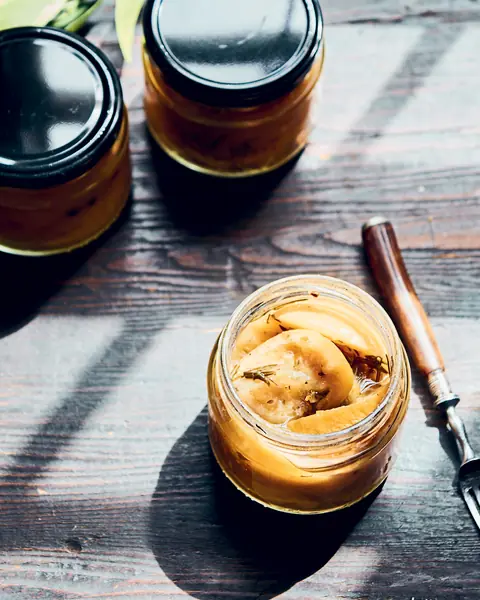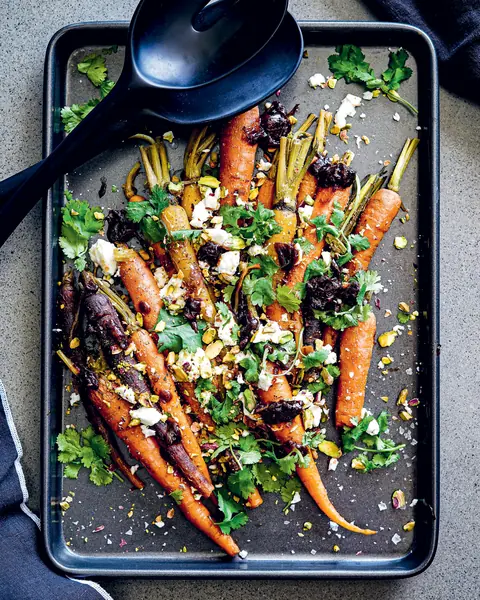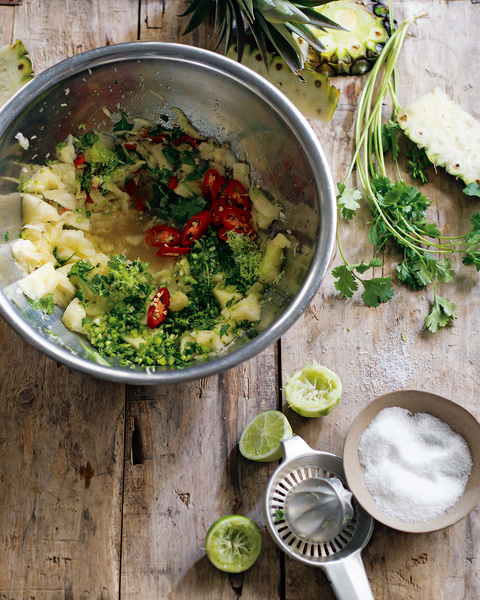
Fermentation is a completely natural biological process that is also pure genius, as it creates bio-active, medicinal foods with immune-modulating and anti-inflammatory properties. Fermented fare is the ultimate synbiotic – prebiotic, probiotic, postbiotic. It is rich in enzymes that help break down hard-to-digest proteins, making it perfect as a condiment with meals. The age-old art of fermentation yields so many health benefits for your gut, immune, metabolic and skin health, and fermented foods are so easy to make. To enhance this recipe’s gut-loving properties, I’ve added gut-calming caraway seeds and antioxidant-rich juniper berries.
Ingredients 6
Your new home
for cooking
Turn your recipe chaos into a plan for the week.
Browse 1000+ inspiring creator recipes
Unlimited recipe import from social media, blogs and more
Generate shopping lists and meal plans in seconds with AI
Method 5
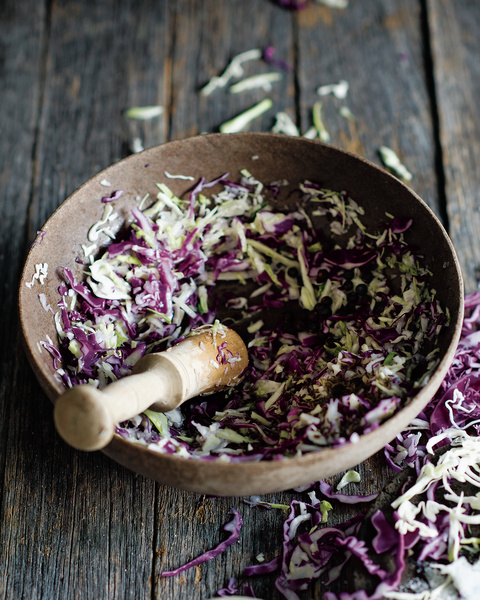
Cut the in half, then remove and discard the core. Thinly shred, wash and drain the cabbage, then put it in a large glass or ceramic bowl. Add the and massage into the cabbage for 2–3 minutes to release its liquid and to soften. The salt will combine with that liquid to form a brine. Add the , , and and toss to combine.
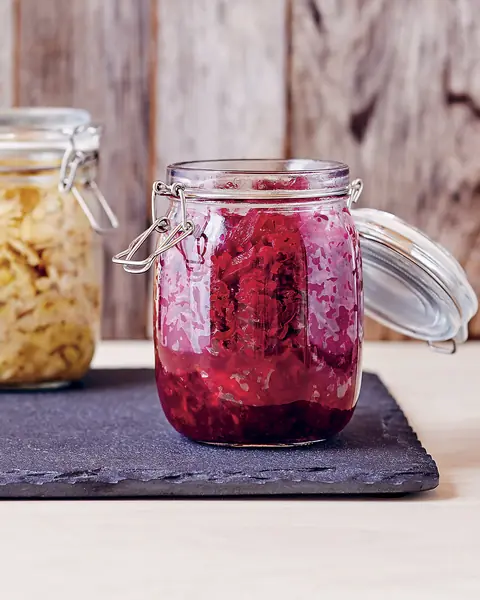
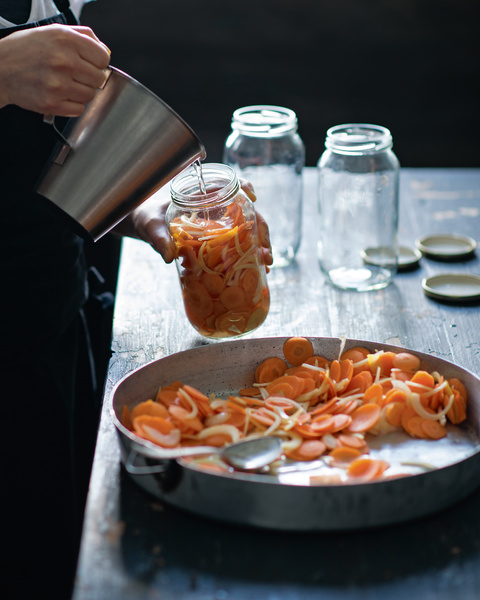
Tightly pack the mixture into a sterilised 1.5 litre (6 cup) glass jar, earthenware fermentation crockpot or specialised fermentation jar with an airtight lid. Pour the brine over the top and firmly press the vegetables down to submerge. Cover with the reserved .
Weigh down the mixture using a specialised ceramic weight or small jar filled with water to keep the contents submerged (if you are using a jar with an airtight lid, there’s no need). Ensure there is a 5 cm (2 in) gap between the and the top of the jar to allow for extra liquid released during fermentation. If you’re using a glass jar, cover with a double layer of muslin (cheese cloth) and secure with a rubber band. If using a crockpot or jar, secure the lid.
Let stand at room temperature, out of direct sunlight and in a well ventilated place, for 1–2 weeks, or until the kraut smells and tastes sour. The length of time will vary depending on the temperature of your kitchen. During this time, if using a jar covered with muslin, check daily to ensure the vegetables are completely submerged in brine.
Sauerkraut can be used immediately or stored in the refrigerator for a week to age before use.

The Beauty Chef's tips
Once fermented, you can transfer your sauerkraut into smaller sterilised jars. Make sure to pack the jars tightly to submerge everything in brine and seal with a lid. The sauerkraut can be stored in the refrigerator for up to 3 months – the flavours will continue to develop.
People who are low FODMAP can enjoy sauerkraut made with red cabbage at 75 g (2¾ oz) per serve.