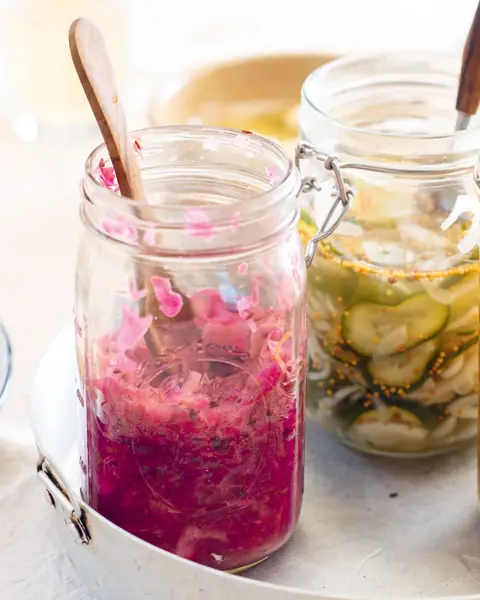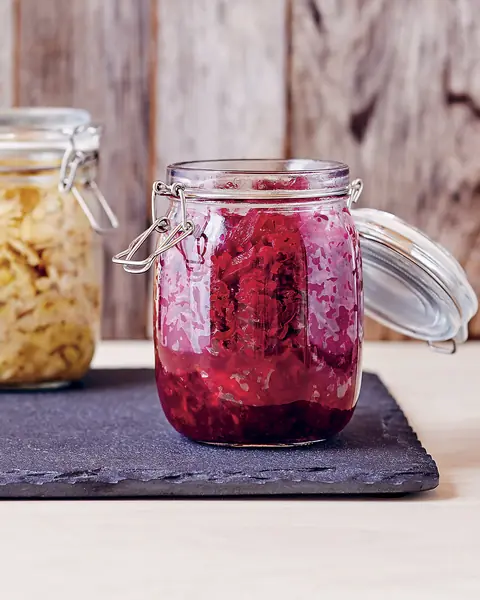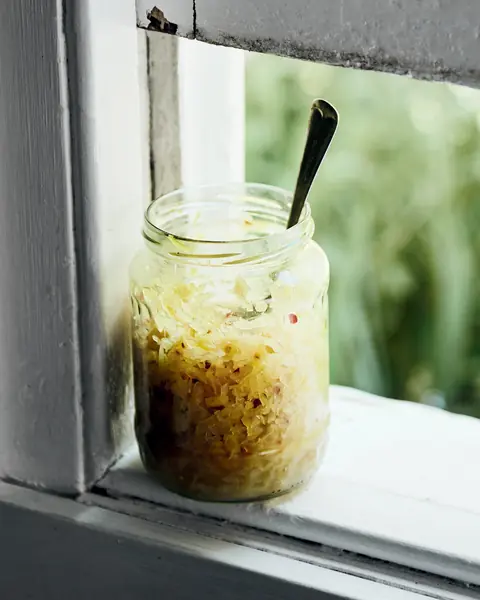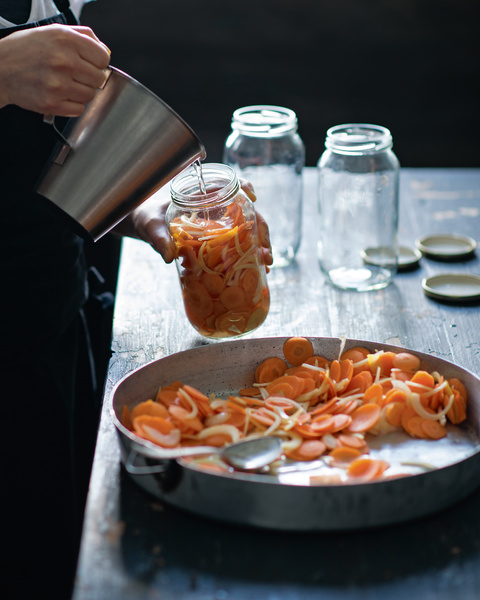
Here’s another recipe from Cornersmith’s head fermenter Jaimee. She describes sauerkraut as the queen of fermented vegetables, and this is her all-time favourite recipe. Across Europe and all over Asia, some kind of pickled cabbage is an essential condiment on the table. This recipe has classic Eastern European flavours, and is excellent with meat, potatoes, or on a Reuben sandwich.
This is a big batch, so halve it or quarter it as needed! Choose a combination of clean jars that will hold this amount e.g., 2-3 x 750ml jars or 5-6 x 300ml jars.
Ingredients 5
Your new home
for cooking
Turn your recipe chaos into a plan for the week.
Browse 1000+ inspiring creator recipes
Unlimited recipe import from social media, blogs and more
Generate shopping lists and meal plans in seconds with AI
Method 7
To Make The Sauerkraut
Discard the outer leaves of the both the and . Cut each cabbage in half and cut out the core, then finely shred.
Put the shredded in a large bowl with the , and , then pound with a wooden mallet or end of a rolling pin for about 10 minutes, or until the juices are released. When you squeeze a big handful of cabbage and their juices run, you know it's ready to be bottled.
Pack the tightly into the jars, pressing down so that the liquid rises above the cabbage and any air bubbles are released. Keep going until the jars are full and the liquid covers the cabbage by about 2cm, If there's not enough liquid, top up the jars with water.
Wipe the rims of the jars with a clean cloth or paper towel and seal.
To Ferment
Let the jars sit at room temperature, out of direct sunlight, for 2-4 days. It can sit to ferment for up to two weeks. During this time, the lids will start to pop up, which is a sign of the fermenting process. The warmer the weather the quicker fermentation will take.
After 2 days, open one of the jars and taste a little bit to see if it is fermented to your taste. The longer you leave the jars out of the fridge, the stronger the fermented taste will be.
When the sauerkraut tastes to your liking, transfer the jars to the fridge and leave for a week before opening, then use within 6 months.

Cornersmith's tips
You don’t need fully sterilized jars for making sauerkraut, but it’s important to ensure the jars are very clean. Wash them and their lids thoroughly with hot, soapy water, rinse well, and allow them to air dry.