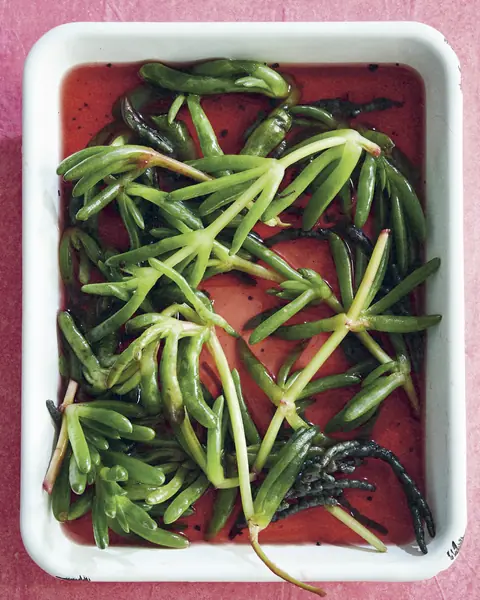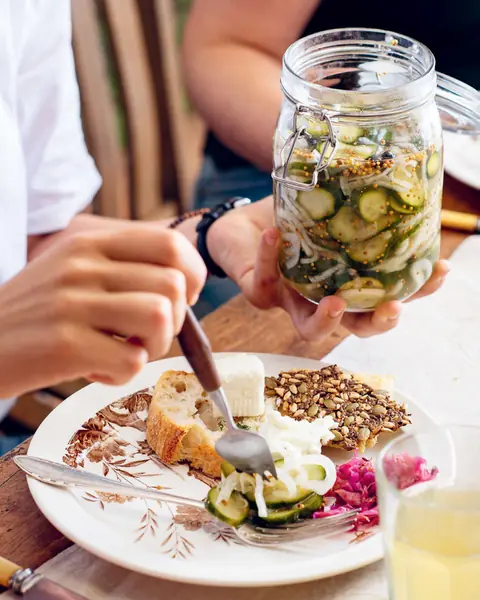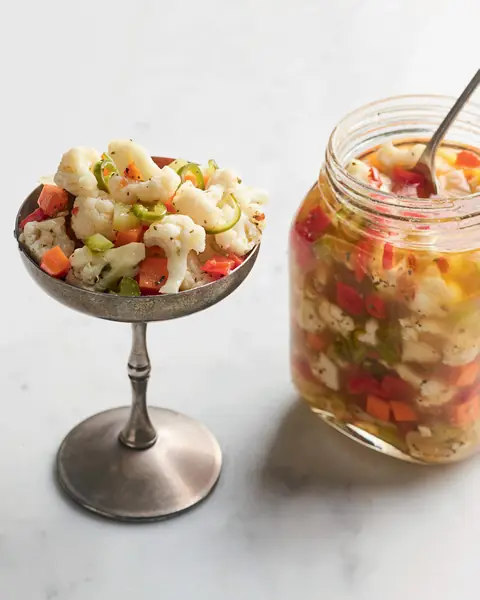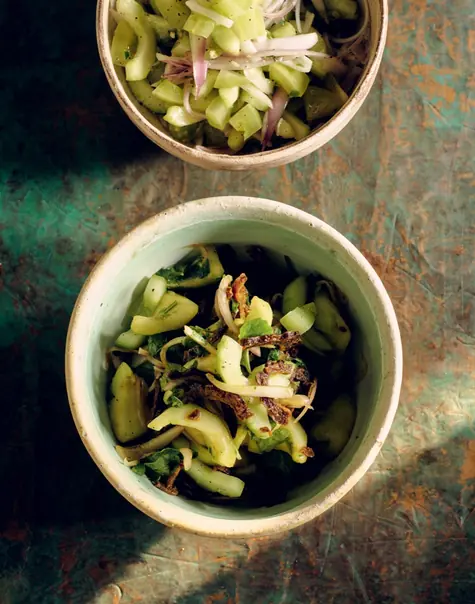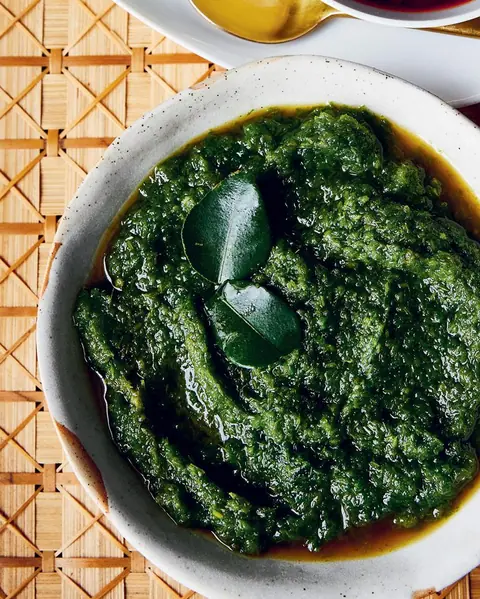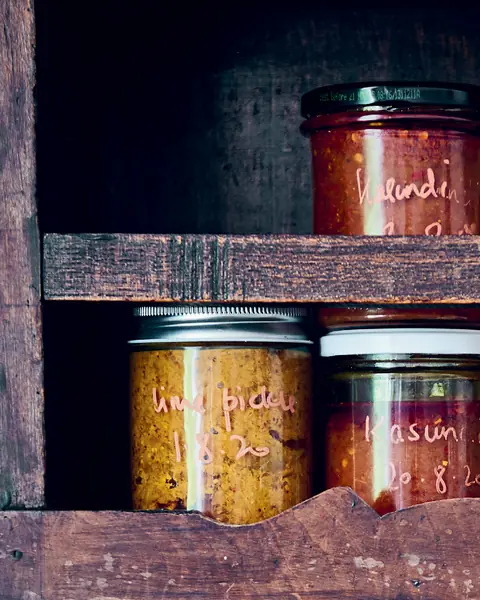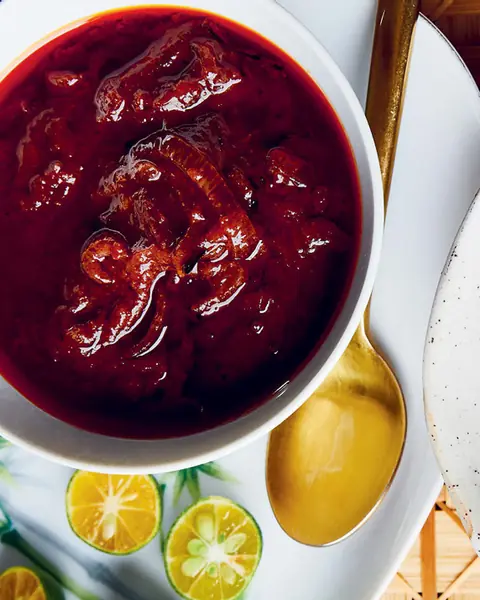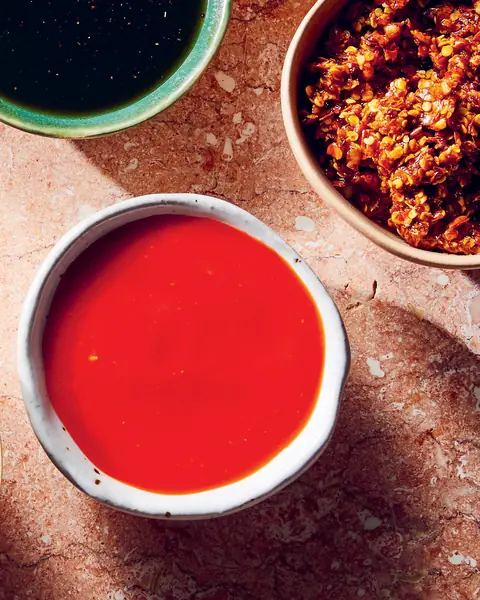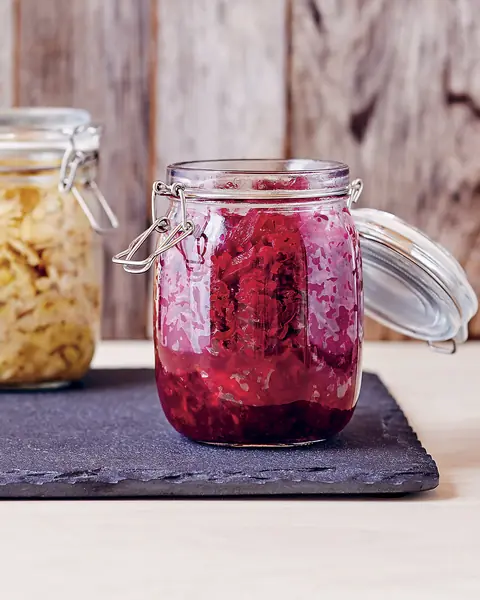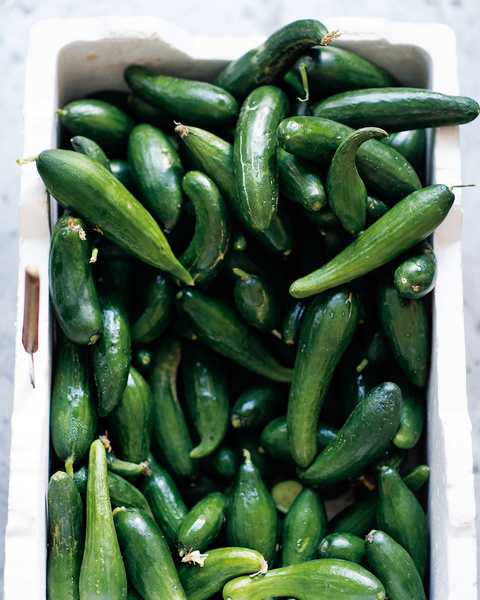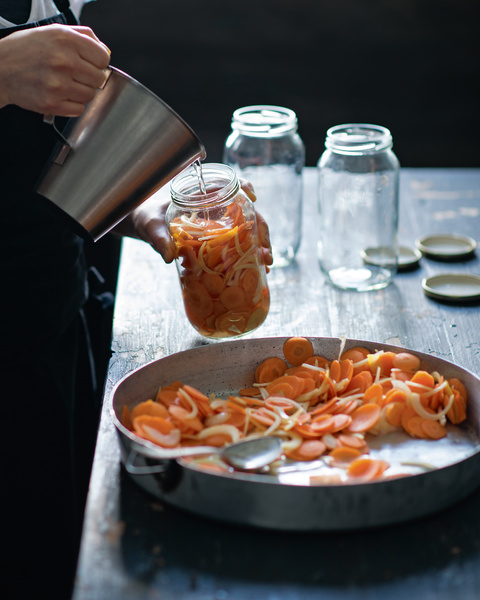
This is my version of a dish that fits into the acharu category, its name a clear indication of its origins, although it is also called Sinhala or lata pata acharu. (‘Lata pata’ is one of my favourite terms; loosely translated it means bits and pieces or clutter.) The flavour should be savoury and a little hot with a hint of sweetness, and the vegetables should be yielding but still have some crunch.
Ingredients 14
Mustard Paste
Your new home
for cooking
Turn your recipe chaos into a plan for the week.
Browse 1000+ inspiring creator recipes
Unlimited recipe import from social media, blogs and more
Generate shopping lists and meal plans in seconds with AI
Method 8
Prepare the , , , , and and have them ready.
To make the paste, use a mortar and pestle to pound the , , and . Once ground, add the and and continue pounding to a paste.
Place the and in a medium saucepan over a high heat and bring to the boil. Blanch the for 1 minute, then scoop them out with a slotted spoon and place in a large mixing bowl.
Individually blanch the remaining vegetables, and in the same way, for 30 seconds each, adding to the bowl with the as you go.
Once all the vegetables are blanched, add the mustard paste to the along with the and and bring to the boil, then reduce the heat and simmer for 5 minutes. Remove and set aside to cool for 5 minutes.
Pour the pickling liquid over the vegetable mix and give it a good stir. Leave at room temperature for an hour or so, stirring every now and then. There shouldn’t be a huge amount of liquid.
Pack the pickle and liquor into jars, gently pressing down as you go to remove any air bubbles.
Seal and allow the pickle to sit at room temperature for 24 hours before you use it. Once ready, this pickle can be stored in the fridge and will last for a good few months.

O Tama Carey's tips
This recipe uses those excellent tiny red Thai eschalots, so do your best to source them. Of course, you can use other types of eschalot, but you will need to chop them smaller (to a similar size to the cauliflower florets) and it won’t be quite the same.