This classic Sicilian cannoli recipe lays out the process to achieve perfectly crunchy cannoli shells paired with a creamy, chocolate-spiked ricotta filling.
As an optional garnish, I've included steps for homemade candied orange peel, though you may prefer alternatives like chopped pistachios or glacé cherries.
This is one you want to make in advance, so you can fill the shells right before serving.
Ingredients 15
Cannoli Dough
Ricotta Filling
Candied Orange Peel
Your new home
for cooking
Turn your recipe chaos into a plan for the week.
Browse 1000+ inspiring creator recipes
Unlimited recipe import from social media, blogs and more
Generate shopping lists and meal plans in seconds with AI
Method 11
Day 1
To Prepare The Candied Orange Peel
If you don't plan on garnishing with candied orange peel you can skip this step! Start by washing your . Top and tail the oranges, discarding these, then quarter the oranges. Each quarter can be cut into half. Run your knife just under the flesh of the orange, slicing through the pith to end up with a perfectly peeled skin.
Place the into a pot and cover with . Bring to the boil, stirring for 1 minute to help remove excess bitterness and drain them. Now add the and water to the pot and stir over medium heat until the sugar is dissolved. Add the orange peel and increase the heat to a simmer. Cook, stirring every so often, for 10-12 minutes until the oranges are cooked through, the syrup is significantly reduced and is coating the peel. Remove from the heat, allow to cool completely and store in an airtight container overnight (or up to 1 week).
To Prepare The Ricotta Filling
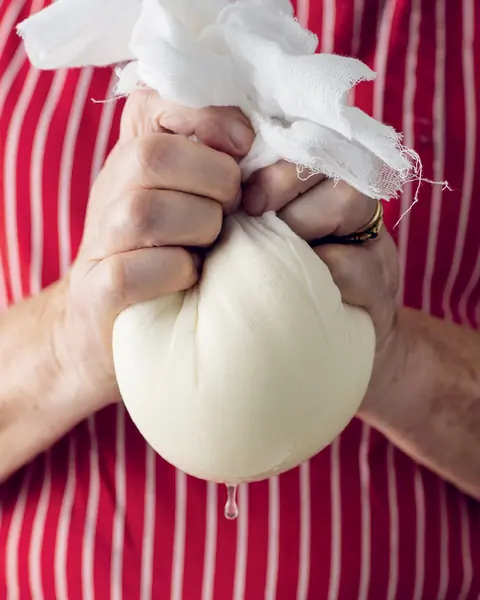
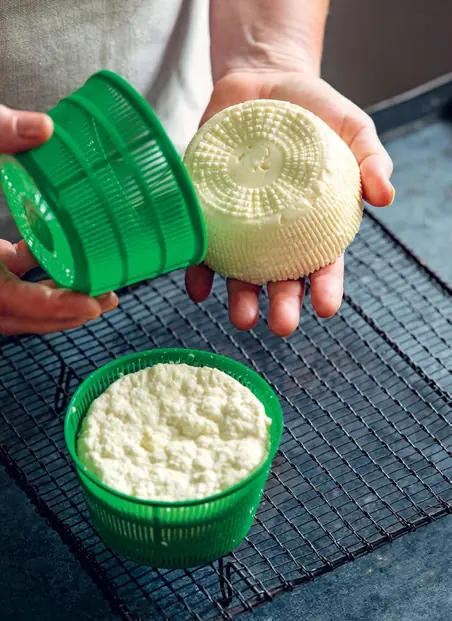
Open the packaging in the sink and drain any excess liquid. Press the ricotta through a fine mesh sieve to refine the texture. In a mixing bowl, stir the refined ricotta with the , then add the finely chopped and mix in. Cover and refrigerate overnight (the texture will become more smooth and creamy).
Day 2
To Make The Cannoli Shells
In the bowl of a stand mixer using the dough hook attachment, add the , , , , , , , and . Mix on low speed until the ingredients form a rough dough.
Move the dough from the mixing bowl onto the bench, knead for a moment by hand then shape into a ball. Don’t overmix. Cover the dough completely with plastic wrap and allow it to rest at room temperature for a minimum of 1/2 hour.
Using a pasta machine, pass the dough through bit by bit, starting on the widest setting and working your way to thinner settings up to number 4, using a little dusting in between rolling if needed.
Use a cutter to cut out the shapes of dough (if you don’t have a cannoli cutter use a large round cutter). Place a cloth over the top of them while you work through the remaining dough and frying to avoid the cut pieces drying out.
Heat the (or ) in a deep pot to 180°C. While it is heating, begin assembling the shells by wrapping the cut dough around a bamboo or stainless steel cannoli tube. Overlap the two sides and brush with a little beaten in between, pressing gently so that it sticks. Continue assembling as many shells as you have tubes for. If you don’t have a thermometer, you can check the oil temperature by dropping a piece of the dough offcuts in the oil. If it bubbles without browning immediately the oil is ready, otherwise, adjust your temperature accordingly. Once the oil is ready, begin frying the shells, just one or two at a time.
The shells should take no more than 2 minutes to fry. When they are nicely coloured, take them out of the and allow them to drain on some absorbent paper. As the shells become cooler to the touch, carefully remove the tubes from inside the shell and set them aside. Meanwhile, continue assembling and frying the remaining shells.
Assemble
Take the ricotta filling out of the fridge and give it a good stir. Load up a piping bag with the filling and pipe the shells abundantly. You can also do this with a spoon or small spatula; it will just take a little longer.
Garnish each cannoli with a piece of candied on either end and finish with a dusting of icing sugar over top. Enjoy them immediately!

Anthony Silvio's tips
I know that candied peel can be a bit divisive, so it’s totally an optional garnish. If you prefer, there are an array of other traditional garnishes to choose from including chopped pistachios and glacé cherries. If making your own peel, it’s important to use organic, wax-free oranges since we are using the skin only.
Good things take time. This recipe is a two day process, and some special equipment is needed like a pasta machine for rolling the dough and cannoli tubes for shaping the shells over.
When you first pass the dough through the pasta machine, it may crumble or break. Don’t worry this is normal, just fold the dough on itself, pass it through the machine again and it will become a little more smooth and elastic.
The offcuts should not be wasted! Cut them into bite sized pieces, fry them off and dust with a little icing sugar as a neat little chef’s treat! You deserve it.
Pipe the cannoli just before serving to retain the crunchiness of the shells. Nobody wants a soft cannoli!