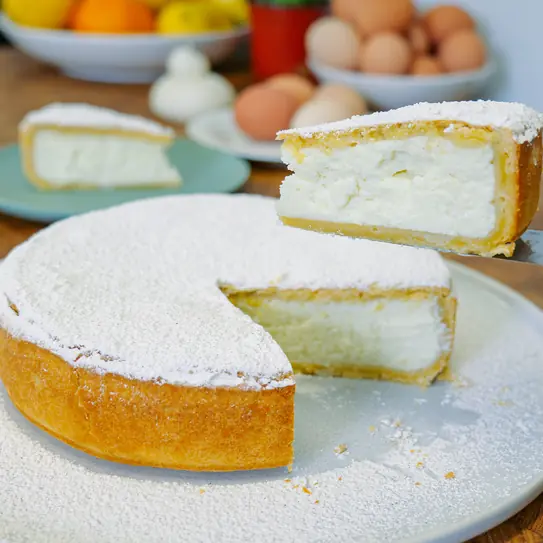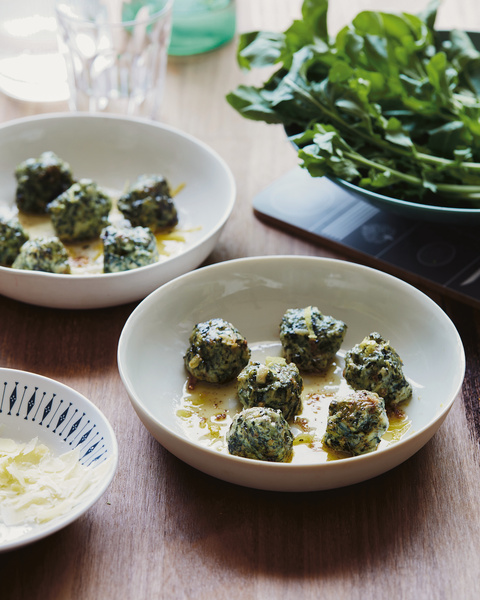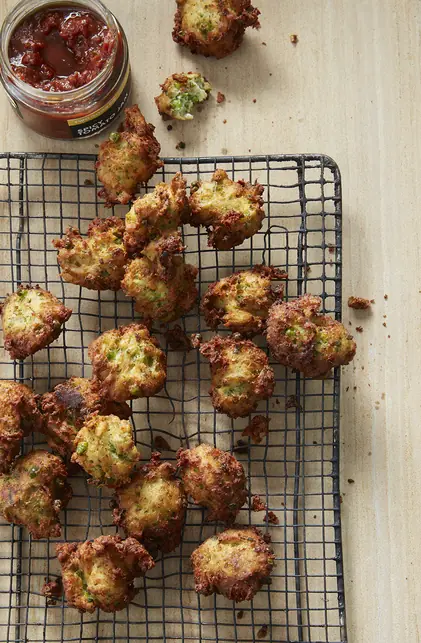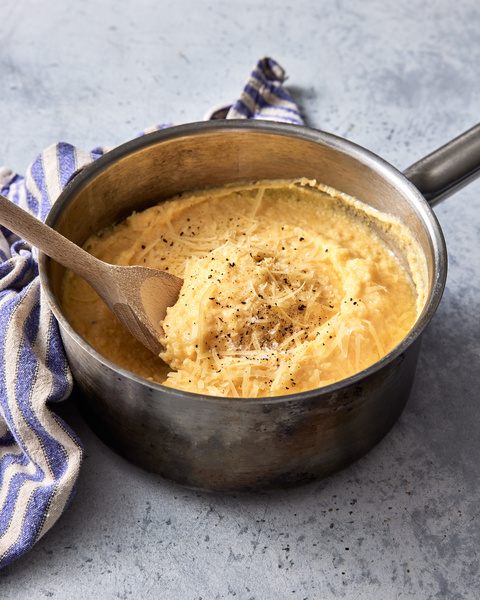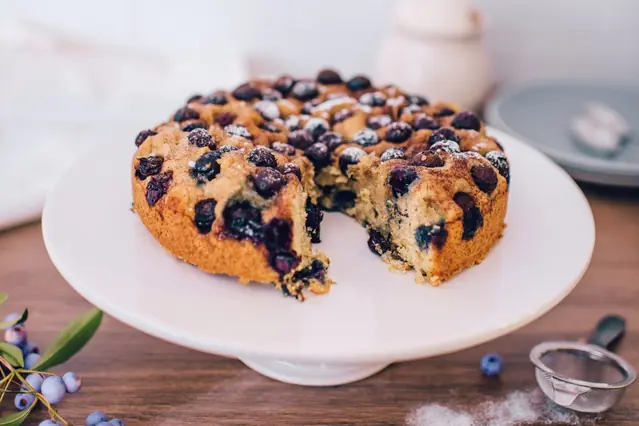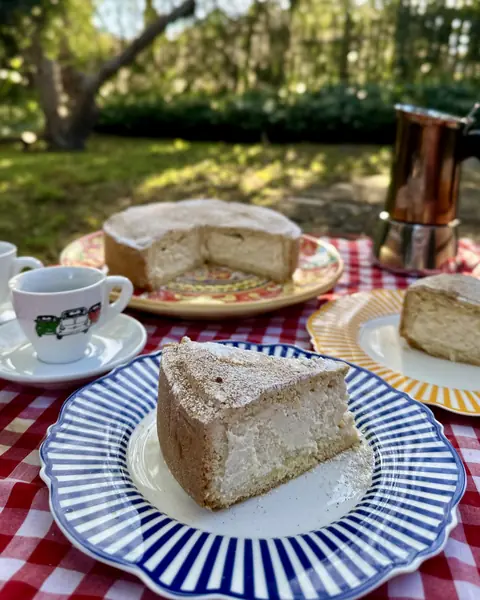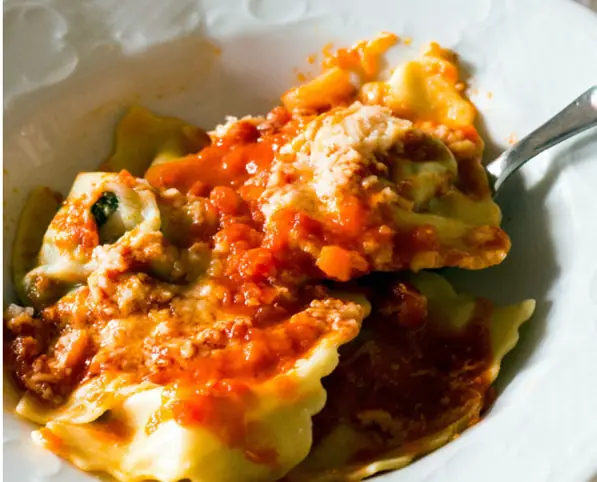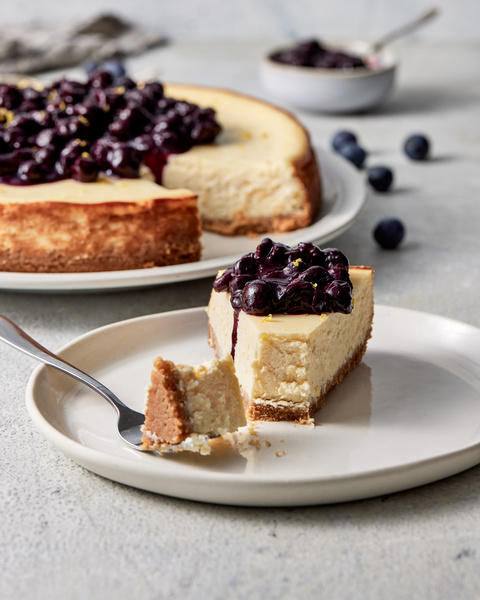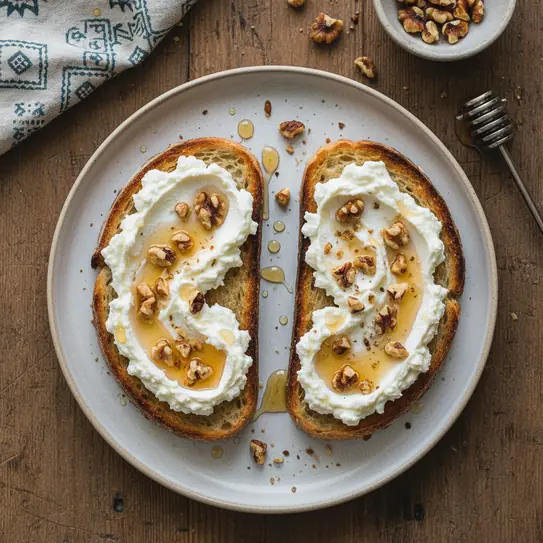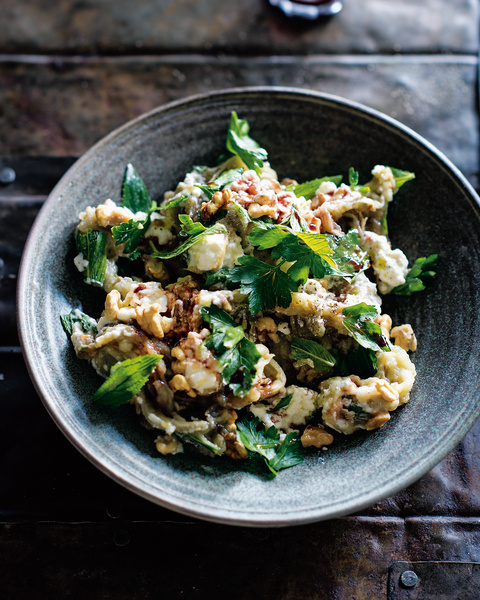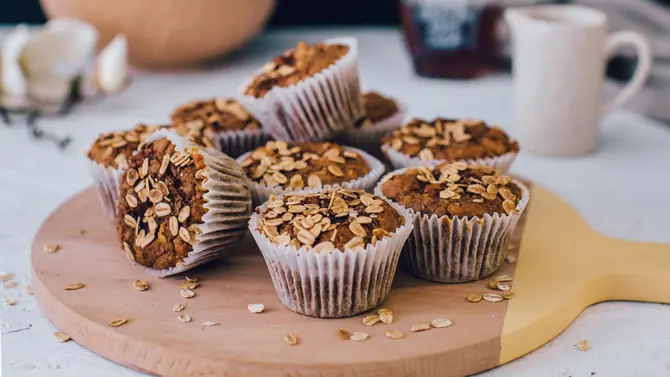
The joy of making ricotta from scratch far outweighs the chore! Ricotta is delicious sprinkled over salads, pasta, desserts and on toast at breakfast. For babies, it‘s a great substitute for sharper cheeses such as parmesan.
Makes 400g (14 oz/2 cups).
Ingredients 3
Your new home
for cooking
Turn your recipe chaos into a plan for the week.
Browse 1000+ inspiring creator recipes
Unlimited recipe import from social media, blogs and more
Generate shopping lists and meal plans in seconds with AI
Method 7
Pour the into a large deep saucepan and place over medium heat, stirring occasionally with a wooden spoon.
Add the and stir until dissolved. As the comes to the boil, lots of small bubbles will appear on the surface. At this point, stir the milk, then remove the spoon and pour in the . Small lumps should start to rise to the surface as the milk curdles. The results with lemon juice can vary since it depends on the acidity of the lemon — add an additional tablespoon or two of lemon juice if your milk does not curdle immediately.
Use the spoon to gently draw the curds into the centre of the pan to make room for more curds to rise at the edges.
Once the mixture starts to boil, remove the pan from the heat, cover, and leave for 15 minutes. Meanwhile, place 2 or 3 layers of muslin (cheesecloth) in a large strainer or sieve set over a large bowl.
Remove the lid from the pan and allow the steam to escape. Using a slotted spoon, gently lift the curds out of the pan, shaking the spoon to remove any excess liquid. Place the curds into the strainer. Alternatively, pour the mixture through the strainer, gently stirring to push all the liquid through.
Allow the curds to sit in the strainer for 15 minutes. Wrap the muslin around the curds and squeeze gently to remove more liquid. Allow to drain until the ricotta reaches a firm consistency. Don’t over-squeeze or your ricotta will be too dense.
Store, covered, in the refrigerator for up to 2 days.

Pam Brook's tips
Very fresh milk (organic is always best) will easily separate into curds and whey.
For younger babies mix the ricotta through purées.
For older babies ricotta makes great finger food served on gnocchi and pasta or with mashed fruits.
For toddlers serve as for adults.