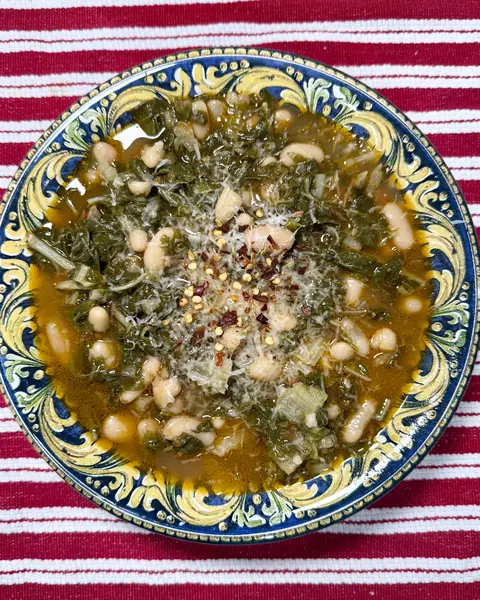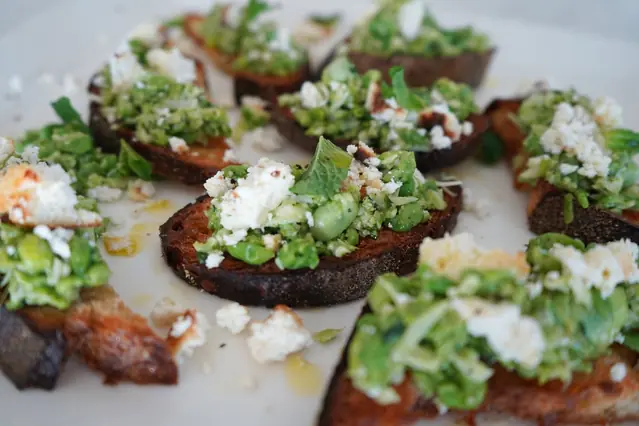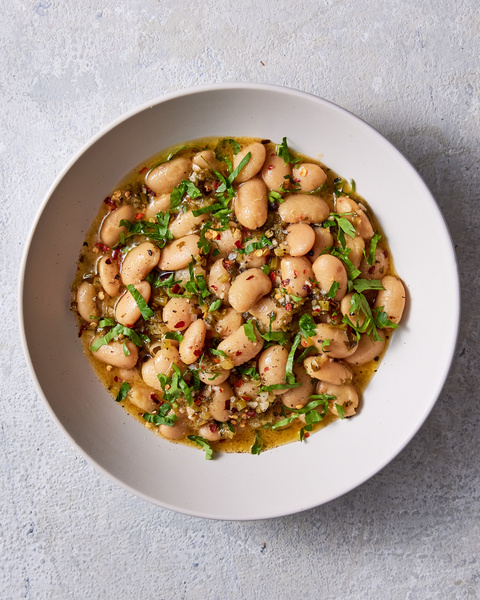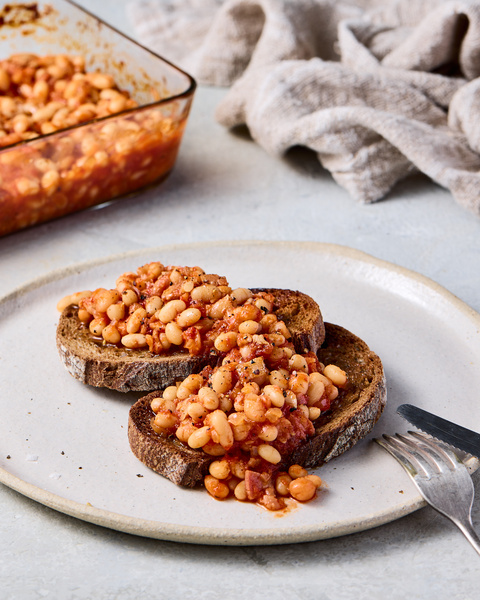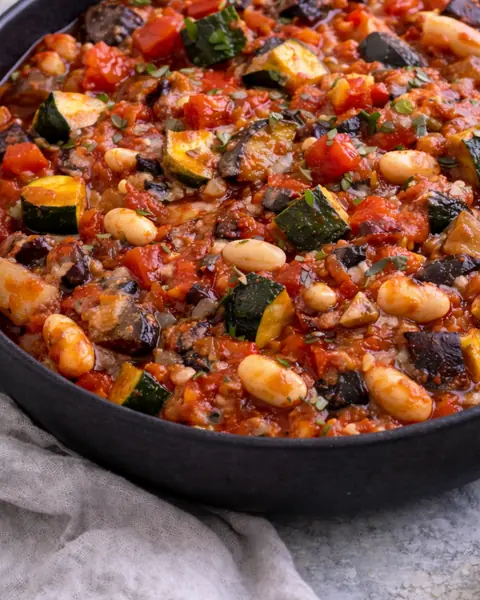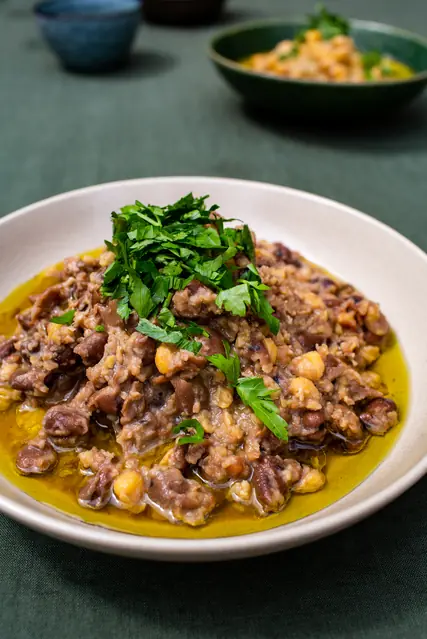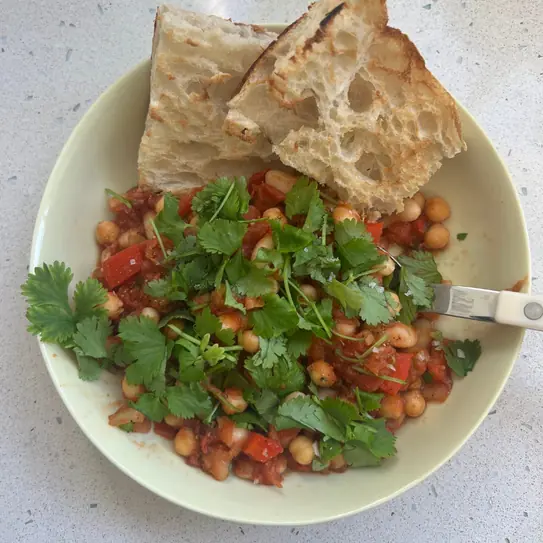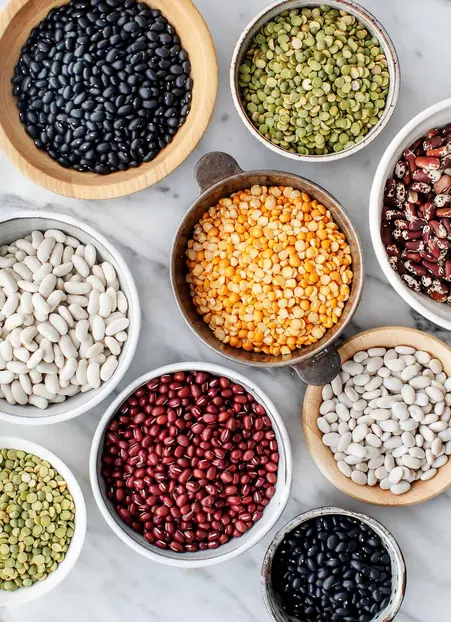
It’s hard to imagine that beans were not always part of Florence’s usual repertoire. So ingrained are they in its food culture that Florentines, and Tuscans in general, are known as mangiafagioli (bean eaters). Introduced from the Americas along with tomatoes and potatoes, beans were embraced by the Florentines more than any other ingredient. In fact, Giulio Gandi, in his 1929 book on the characteristic trattorie of Florence writes, ‘Beans are the real traditional dish of the Florentines.’
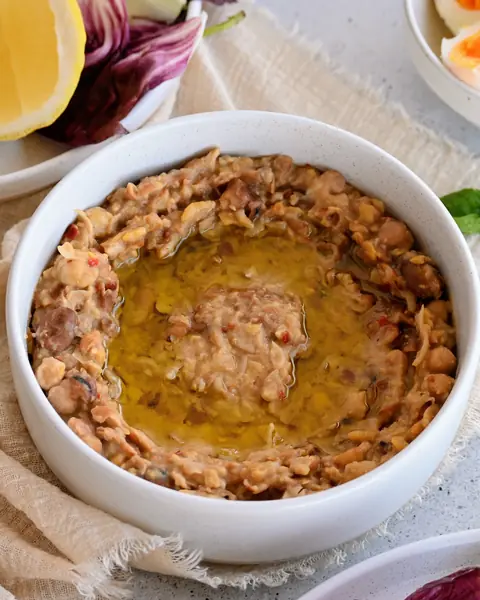
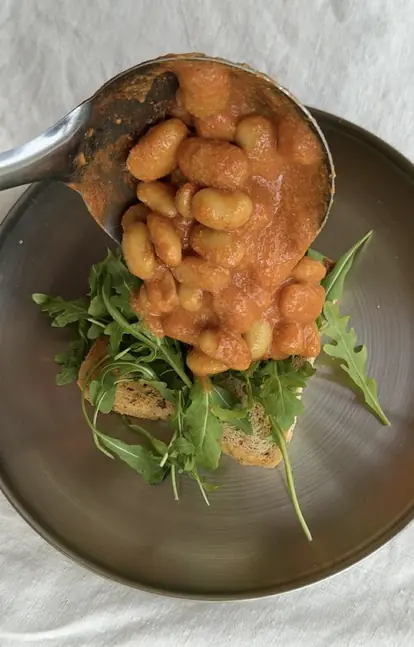
This very simple preparation produces delicious beans, which can be eaten on their own, as a side dish to accompany grilled steak or roast meats, or used in countless other dishes from fagioli all’uccelleto (beans in tomato sauce) to soups and salads. In Italian Food, Elizabeth David described a similar recipe that she calls ‘Fagioli alla fagiolara’, referring to a specially made terracotta container for cooking beans (her recipe includes rosemary and celery). This recipe is similar to the preparation for fagioli al fiasco, which was traditionally cooked in an old glass flask of Chianti wine, the straw padding around the outside removed and wound up to make a stopper for the top of the flask. The whole thing was left in the warm ashes of a dying fireplace to cook slowly overnight.
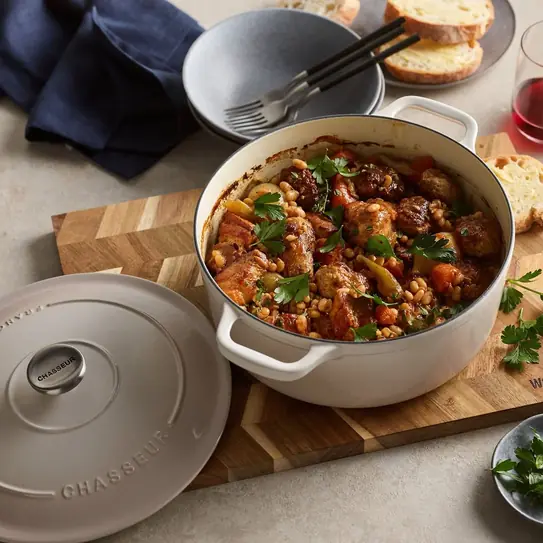
As romantic as a terracotta jar or Chianti flask in a fireplace is, you can get a similar result by cooking these beans very, very gently in a heavy casserole dish for several hours in a low oven or on a low flame on the stove top. The slow cooking will reduce the number of broken beans or skins.
Makes 1.5 kg (3 lb 5 oz) cooked beans (see my tips).
Ingredients 7
Your new home
for cooking
Turn your recipe chaos into a plan for the week.
Browse 1000+ inspiring creator recipes
Unlimited recipe import from social media, blogs and more
Generate shopping lists and meal plans in seconds with AI
Method 4
Rinse the dried and then place them in a very large bowl with plenty of cold water. Leave to soak for at least 8 hours or overnight.
Drain the and place in a heavy-based flameproof casserole dish with the , , and . Bring to a simmer on the lowest heat setting and cook, covered, very gently until the beans are tender, up to 2 hours. Remove any scum that rises to the top of the water with a slotted spoon.
Towards the end of cooking, add the and some freshly ground pepper.
Drain the beans (but reserve the cooking liquid; see my tips). Serve dressed in some extra-virgin as a side dish.

Emiko Davies's tips
The general rule when cooking beans is that you will end up with triple the weight of the dried beans – so if you want a smaller amount of cooked beans, this recipe can easily be divided. Otherwise, make a big batch and freeze or seal in sterilised jars like you would jam or other preserves and these beans will keep for months.
Never throw away the liquid that beans have been cooking in. Nothing is wasted in Florentine cooking. You’ll find several recipes call for this precious liquid, whether to add flavour to soup or polenta – if you are not planning on using it right away, you can keep it in the fridge for a day or two or freeze it.