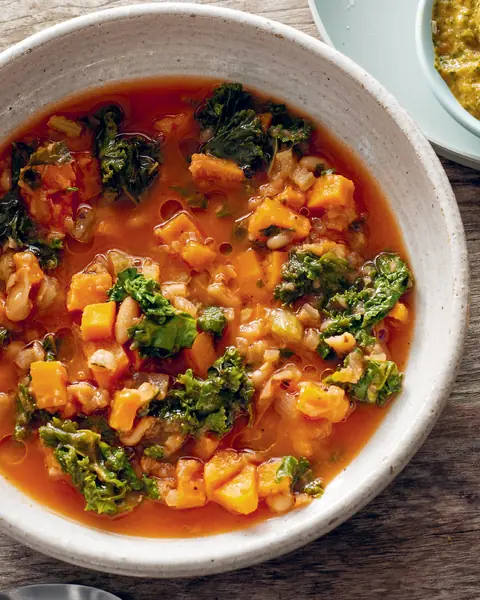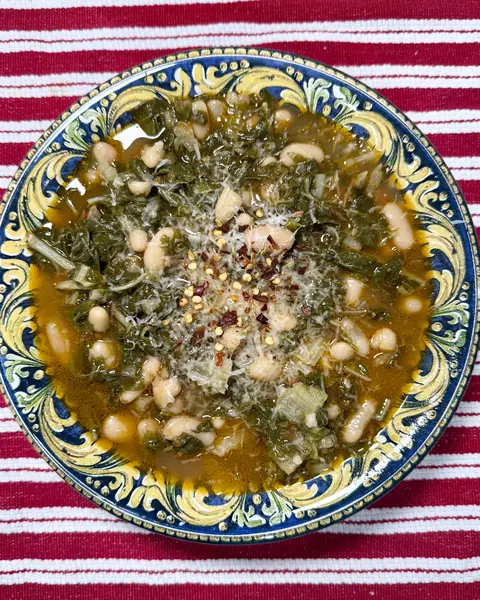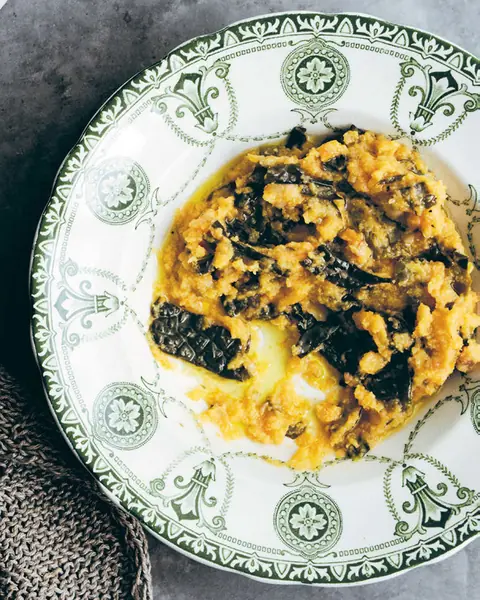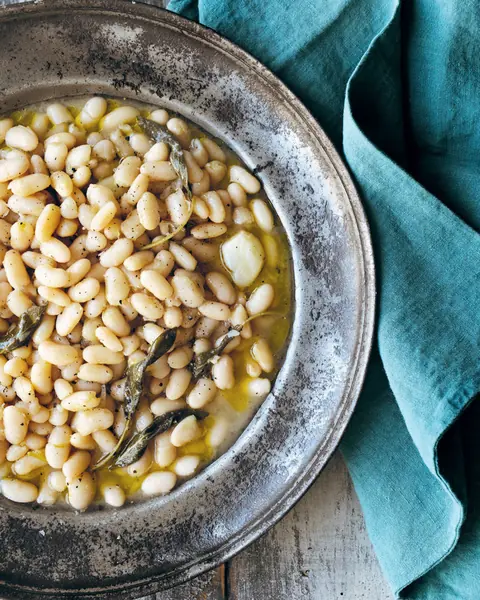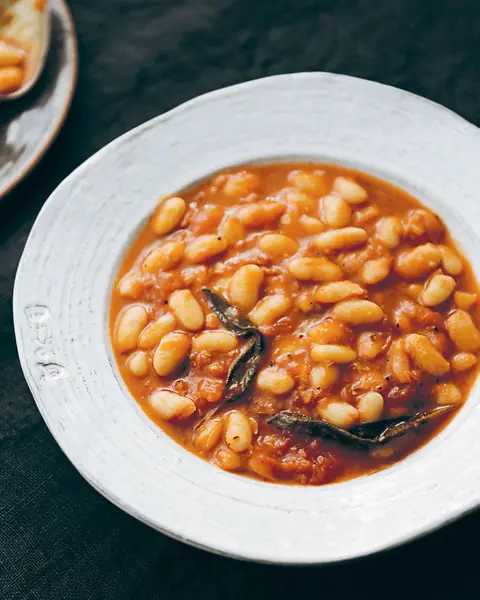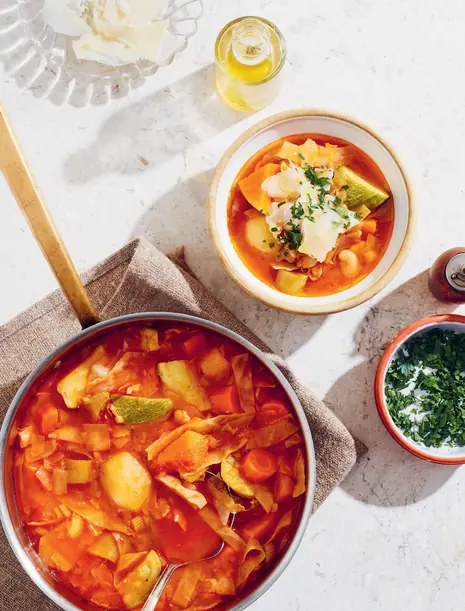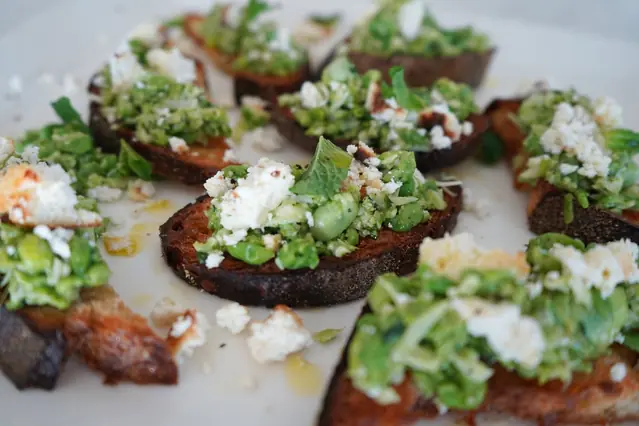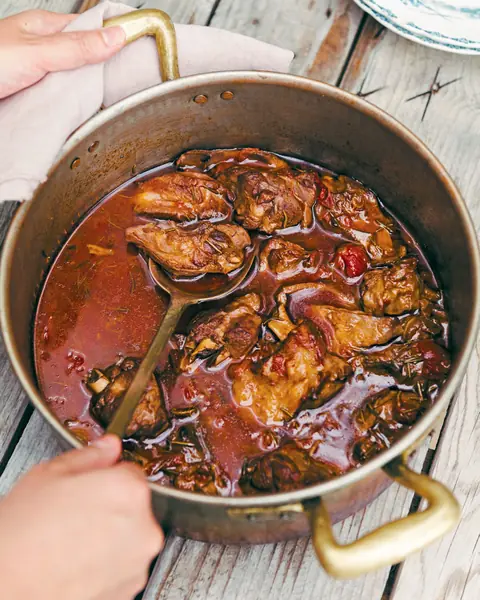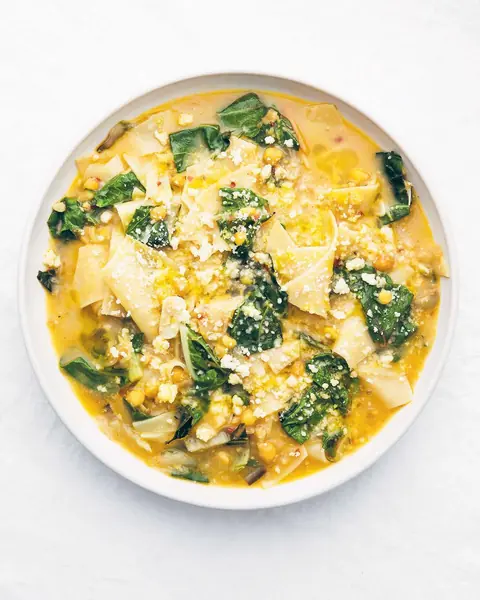
The classic Florentine winter soup, ribollita, literally means ‘reboiled’, which not only implies the use of leftovers but also refers to one of the essential techniques in getting this soup just right. Using stale bread, seasonal vegetables and reliable beans, this is a cheap and nourishing dish.
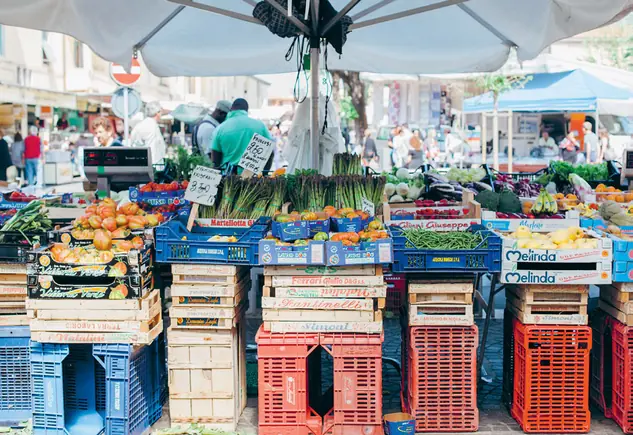
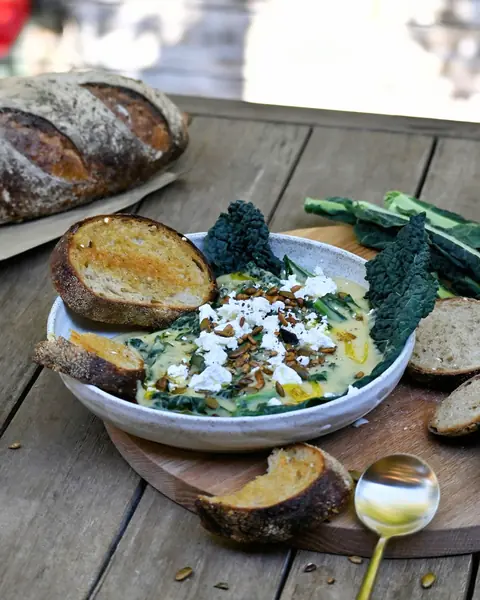
A key ingredient for this recipe is cavolo nero (Tuscan black kale), a durable, dark green, almost bluish cabbage with long, slender bumpy leaves. At a certain point in winter, cavolo nero seems to be the only thing that you can find in the markets. Florentines use it in many winter dishes: in soups, as a topping for crostini or as a side dish to serve with meat.
Also key is the stale bread, it is what lends the soup its characteristic thickness. Ribollita, along with pappa al pomodoro and panzanella, is one of the favourite ways to use up stale Tuscan bread – indeed, it’s a reason to buy the bread fresh and let it go stale. If you don’t have proper, unsalted Tuscan bread handy, use a good Italian loaf, preferably springy and white, with a dark, hard crust.
Artusi’s recipe for ribollita is, more than one hundred years later, still one of the best ways to make it and every Tuscan household probably does some slight variation on this. This is mine. The way my in-laws (like many Tuscans) like to serve this is with a quarter of a fresh red onion – dip it into the soup and take crunchy bites of onion and soup together. It’s not for the faint hearted or those who don’t like onion breath but it is certainly an authentic way to eat ribollita.
Ingredients 17
Your new home
for cooking
Turn your recipe chaos into a plan for the week.
Browse 1000+ inspiring creator recipes
Unlimited recipe import from social media, blogs and more
Generate shopping lists and meal plans in seconds with AI
Method 8
Purée about half of the together with about 125 ml (4 fl oz/½ cup) of the bean cooking liquid (or if using tinned beans) until smooth. Set aside.
Place the , , , and in a large stockpot and cook in the over a low heat. Gently sweat the onion until translucent, about 10 minutes.
Add the and cook, stirring, for about 2 minutes.
Add the , , and and cover with the . Season with salt and pepper, then add both the puréed and whole beans.
Bring to a simmer, uncovered, and cook until the vegetables are cooked and tender, about 30 minutes – test for tenderness with the poke of a fork.
Remove the pot from the heat. Add the , cover the pot and let it rest for at least 20 minutes (but an hour is better).
Before serving, stir the pot to break up the soaked . It should be thick like porridge (oatmeal) but you can add a bit of if it is too thick. Reheat gently and serve. If desired, garnish with a quarter of a .
Save any leftovers for reheating the next day. After all, it wouldn’t be ribollita if it weren’t re-boiled.

Emiko Davies's tips
Another flavourful alternative to using pancetta is the rind of a chunk of parmesan cheese, which you can remove just before serving. It also makes good use of something which might otherwise get thrown away.