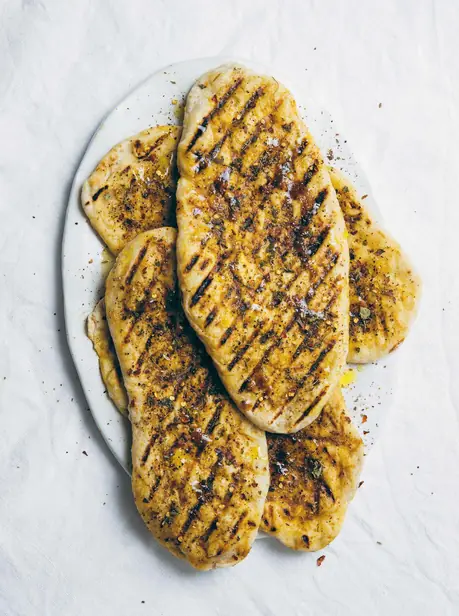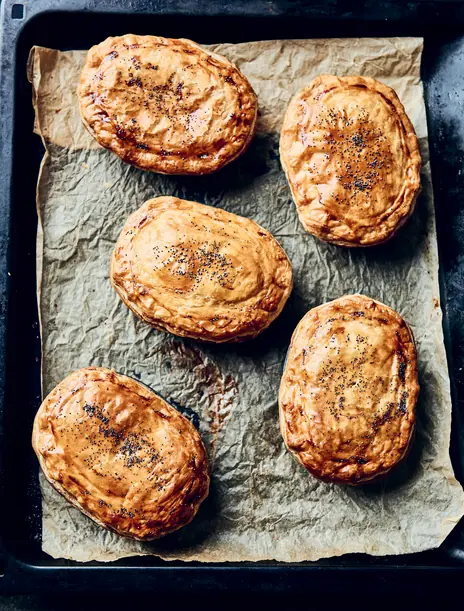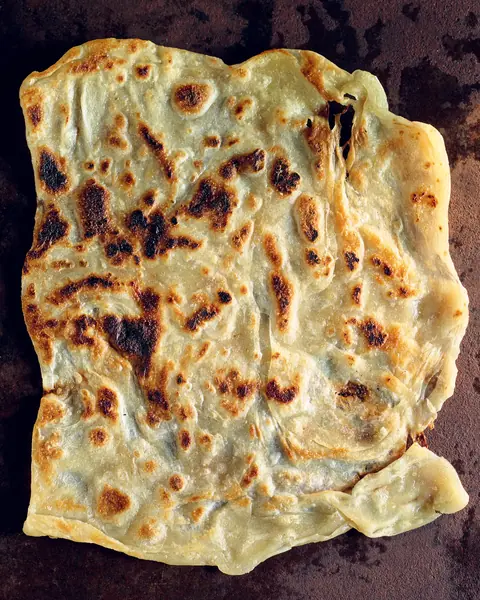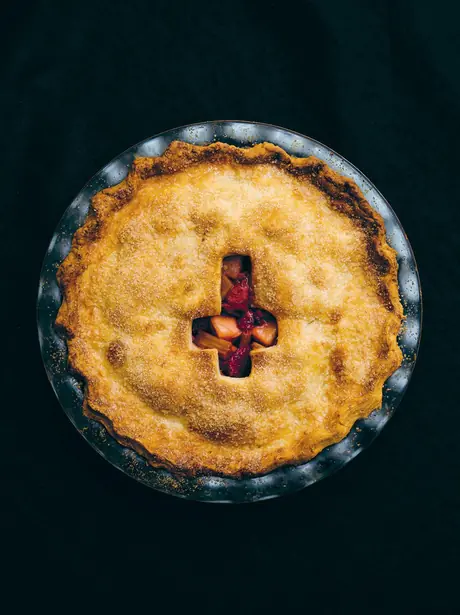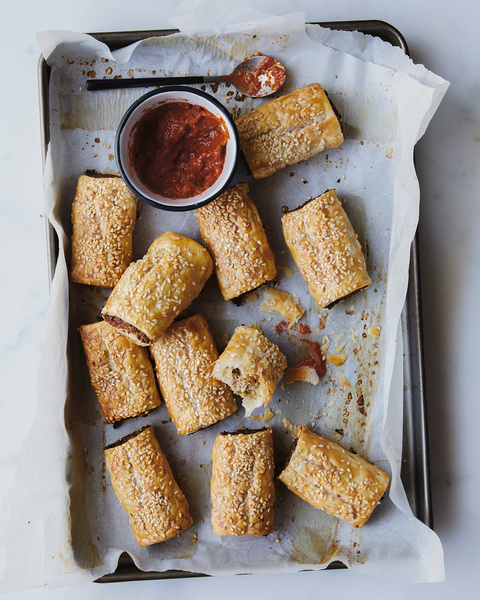
I’m a firm believer in baking being accessible to everyone, and that most things can be tweaked to meet any dietary requirements. This pastry will provide a great base for galettes, quiche, pies and even sausage rolls.
In conventional flaky pastry, butter provides lovely layers and flakiness in the finished bake. You want to leave little lumps of butter in the dough to provide moisture during baking, to create rise and delicate flakiness. Here, I’ve used a homemade vegan butter and applied the same principle. The result is a delicious pastry, and even without butter it’s still flaky and eminently versatile.
Make the vegan butter a day before you make the pastry to give it time to set in the fridge. The nutritional yeast provides a colour similar to butter and a gentle umami flavour, but the pastry will work fine without it.
Makes 800 g (1 lb 12 oz).
Ingredients 9
Vegan Butter
Pastry
Your new home
for cooking
Turn your recipe chaos into a plan for the week.
Browse 1000+ inspiring creator recipes
Unlimited recipe import from social media, blogs and more
Generate shopping lists and meal plans in seconds with AI
Method 8
Day 1
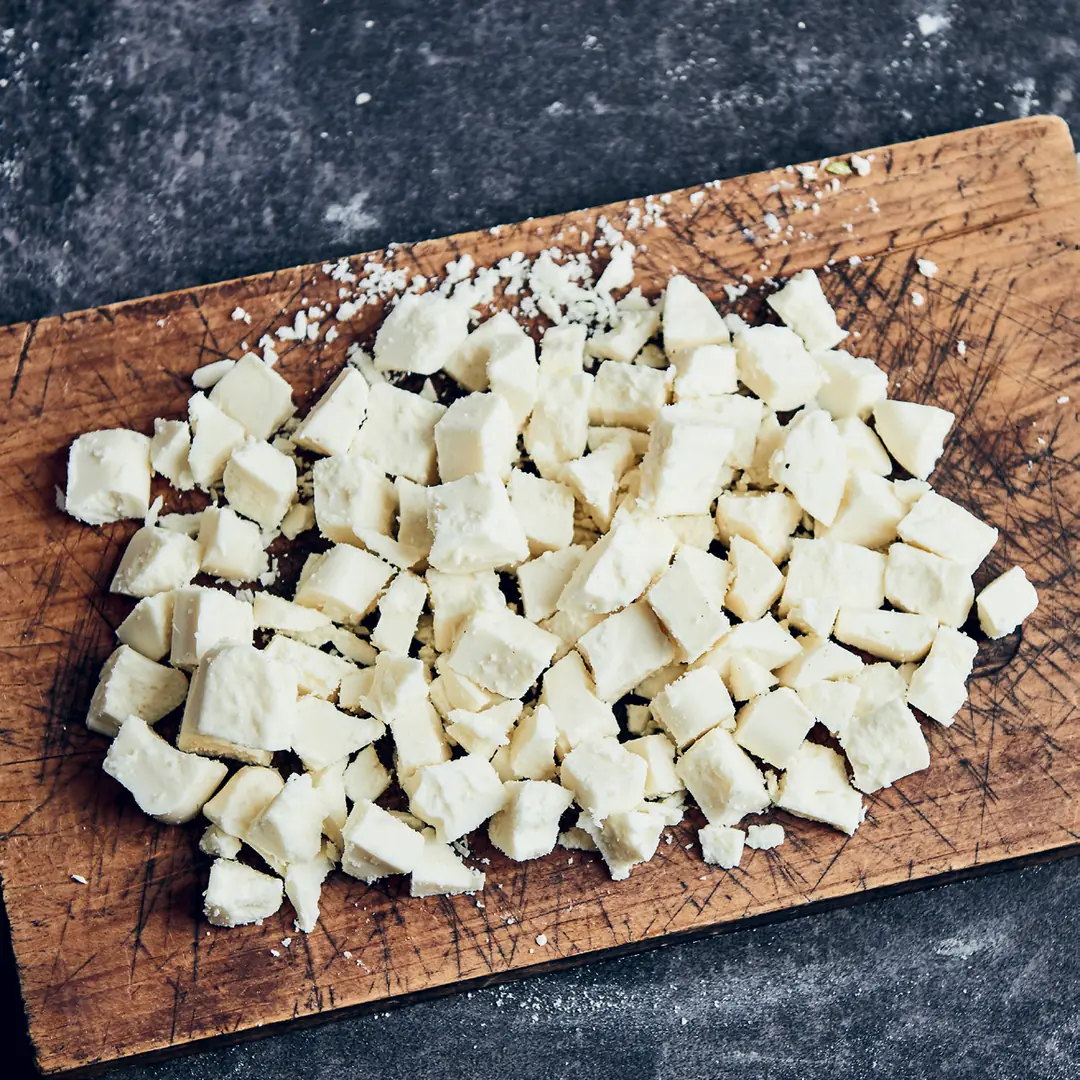
To make the vegan butter, heat the in a small saucepan over a low heat until just melted. Take the pan off the heat and whisk in the , , and , if using.
Set aside, occasionally whisking the mixture until it cools and forms a thick paste. Refrigerate in a sealed container overnight.
Day 2
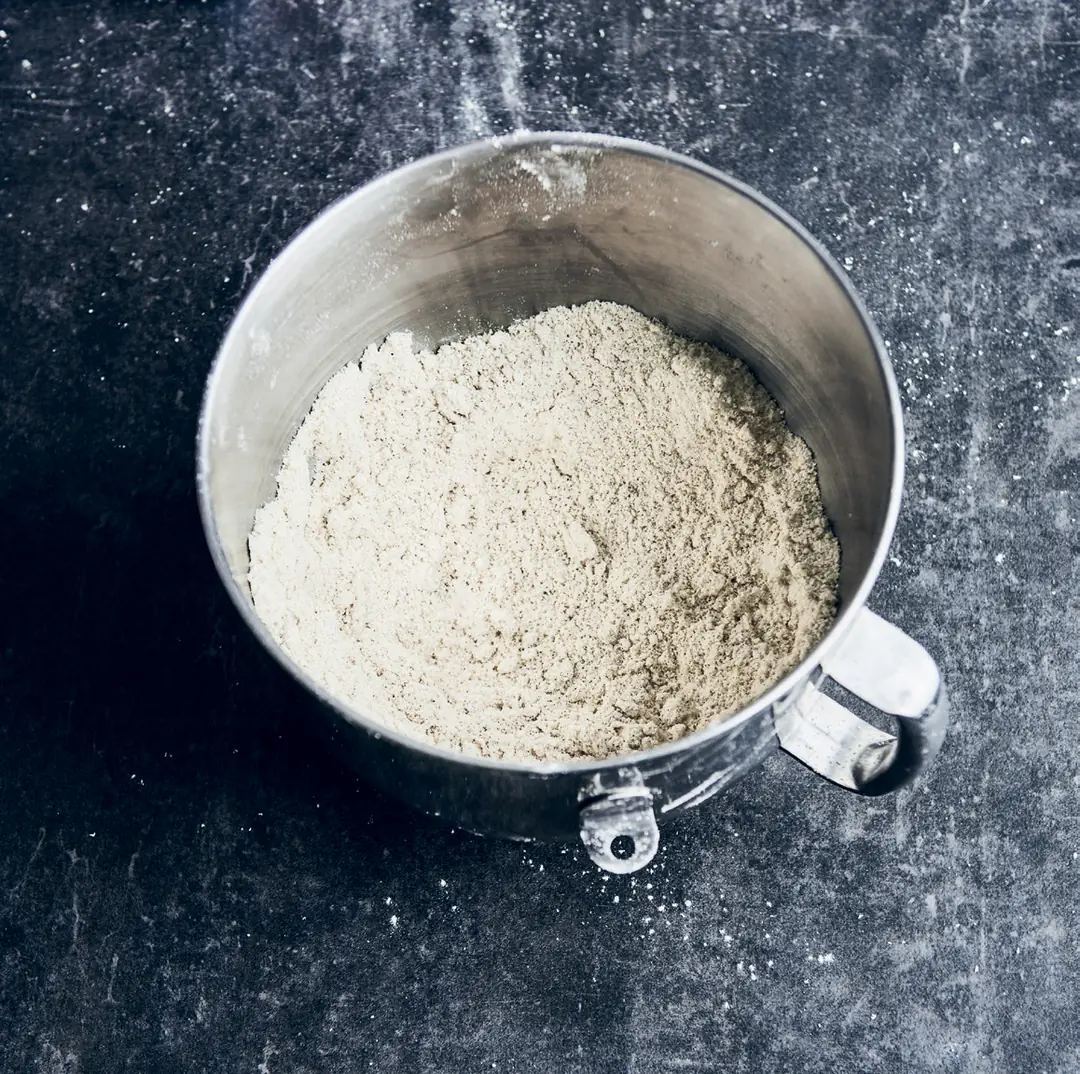
To make the pastry, put the , and in the bowl of a stand mixer fitted with the paddle attachment.
Mix on medium speed until well combined but with shards of the size of rolled oats still visible.
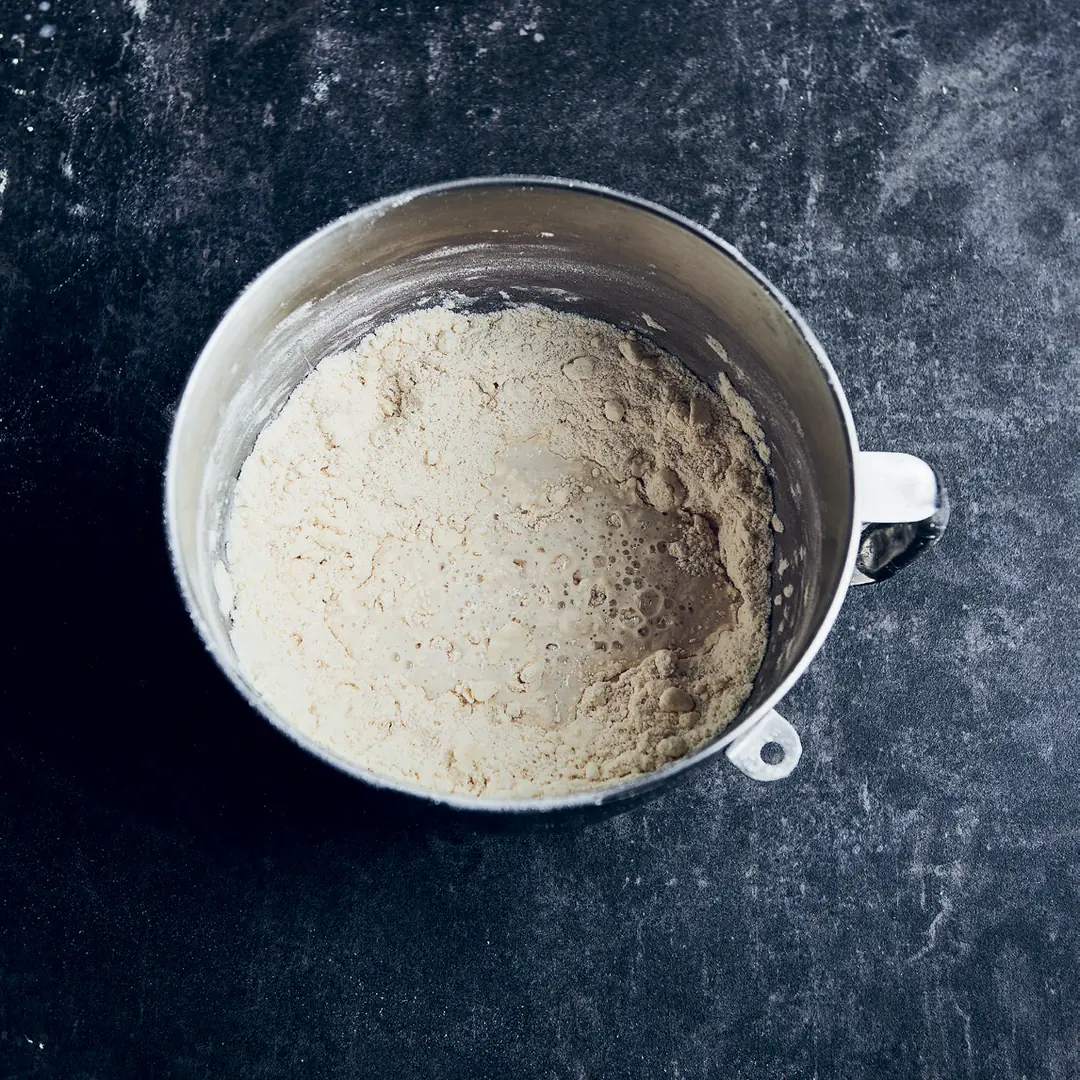
With the mixer running, add the liquid and mix for 30–60 seconds until the dough just comes together. The dough should not be sticky and you should still see pieces of butter.
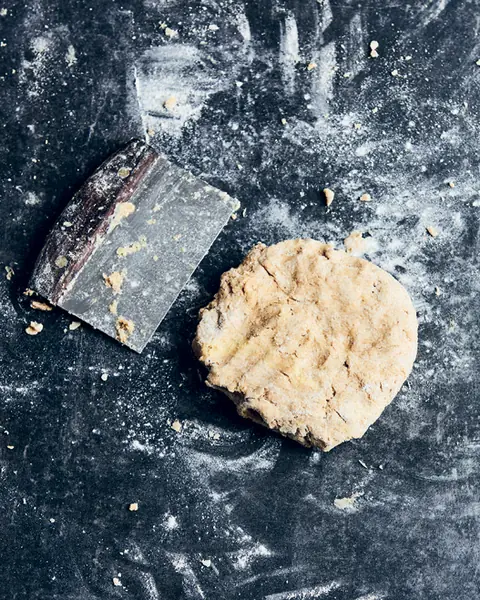
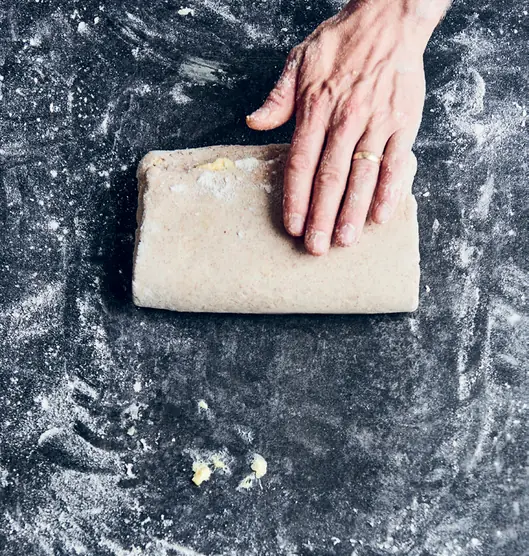
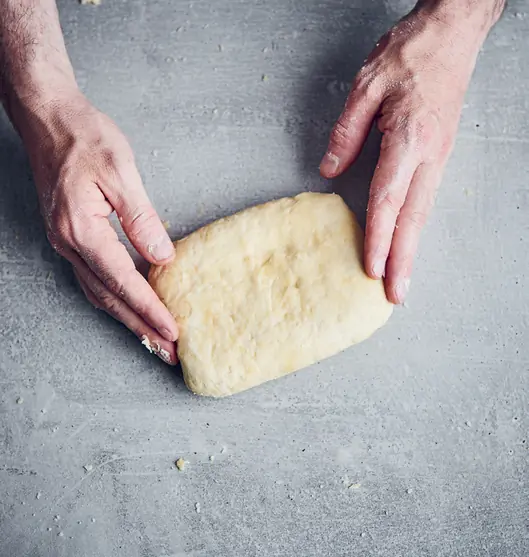
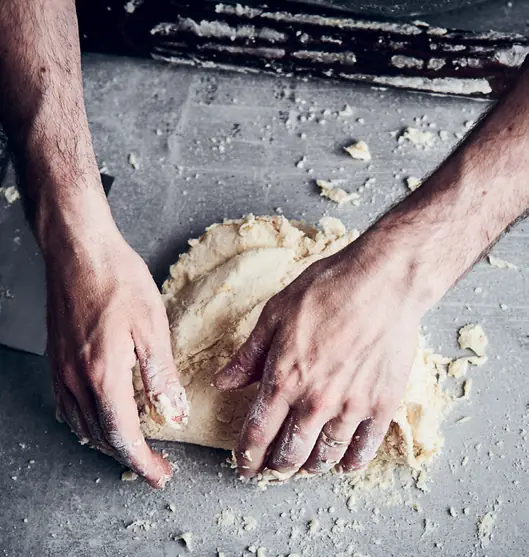
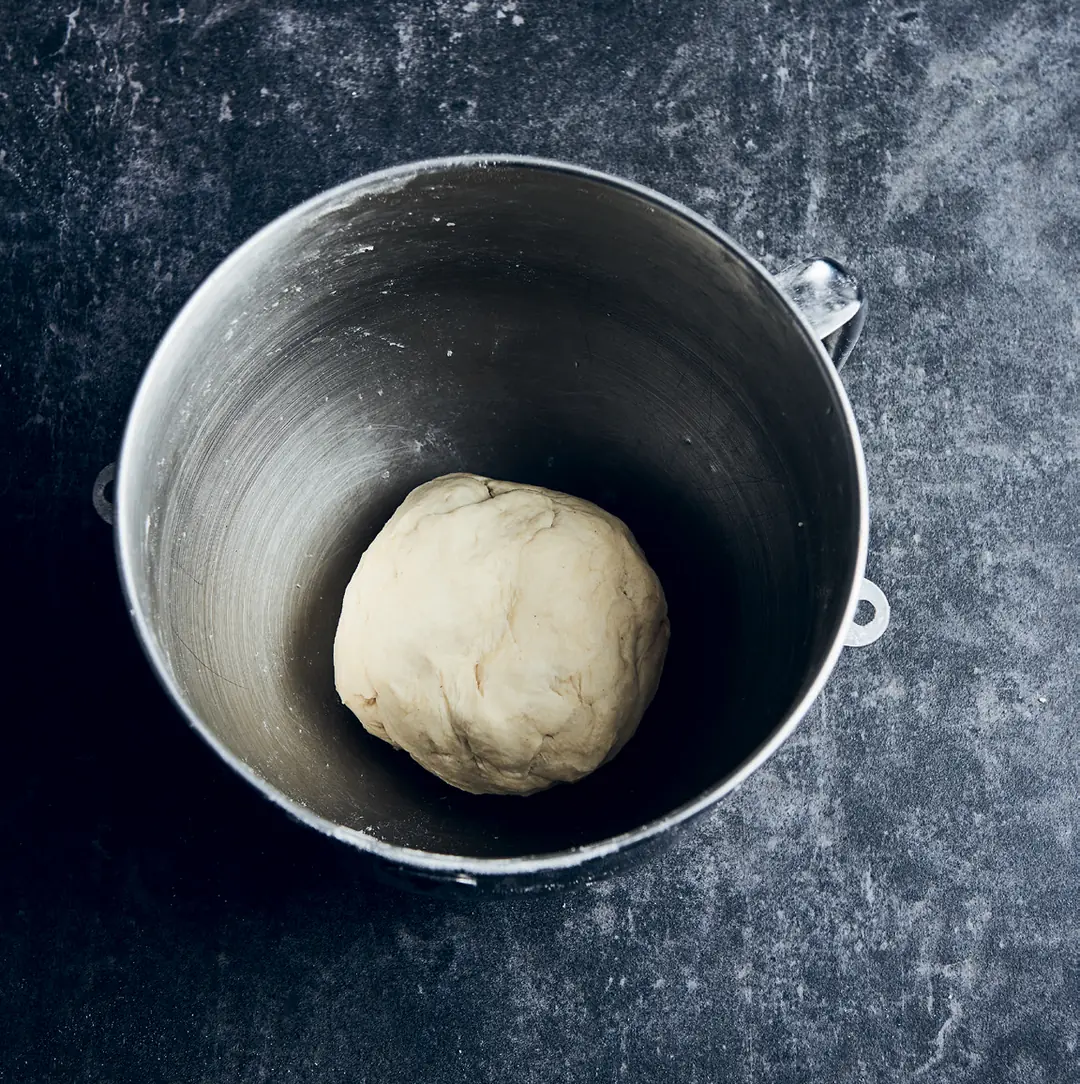
Tip the dough onto a lightly floured kitchen bench and fold it a few times to help build up layers. To do this, take half of the dough and pull it up and over itself, then push down on it.
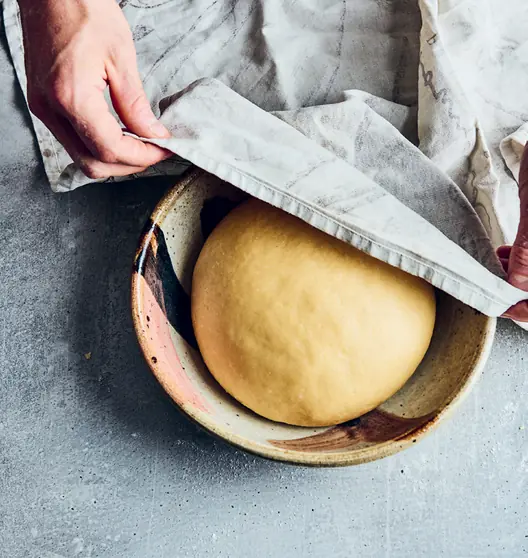
Repeat this a few times and then shape the dough into a slab. Wrap and refrigerate for at least 1 hour, or overnight.
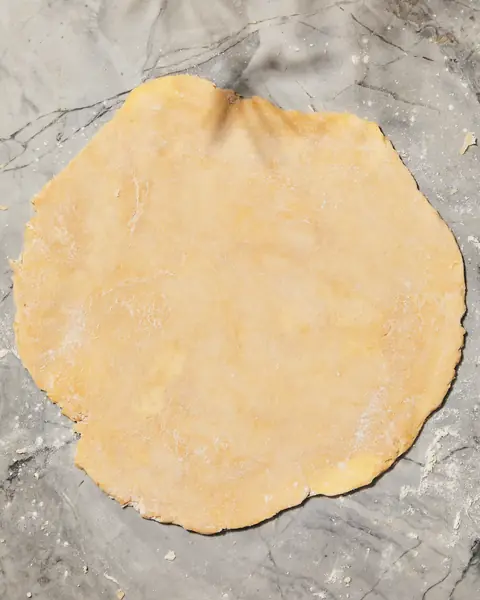
Roll the pastry between two sheets of baking paper to the required shape and thickness, then wrap and return it to the fridge for 1 hour before using. Allowing the butter to set into the pastry will give you a flakier result.

Urbanstead's tips
The pastry will keep for 1 week in the fridge, or up to 3 months in the freezer.
Before baking, instead of using egg wash, brush the pastry with a little water or plant-based milk to help with colour, rise and flakiness.