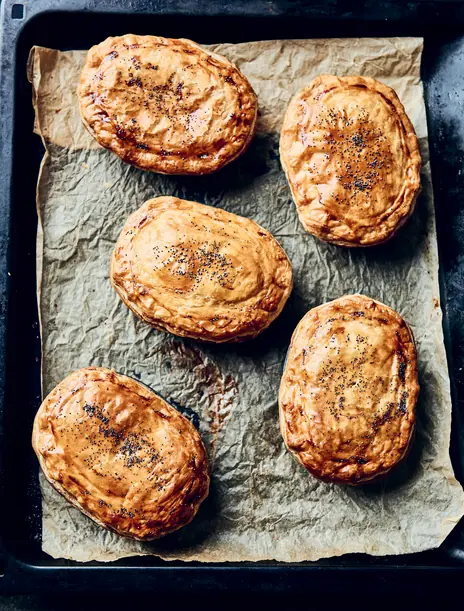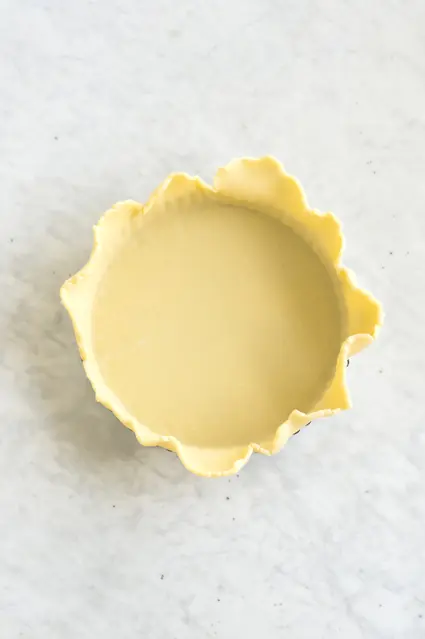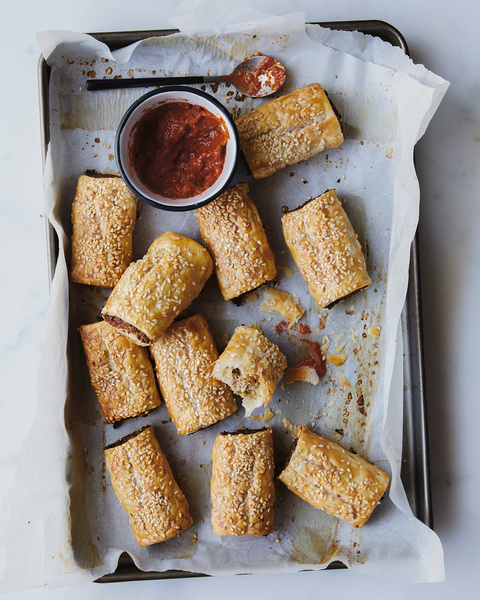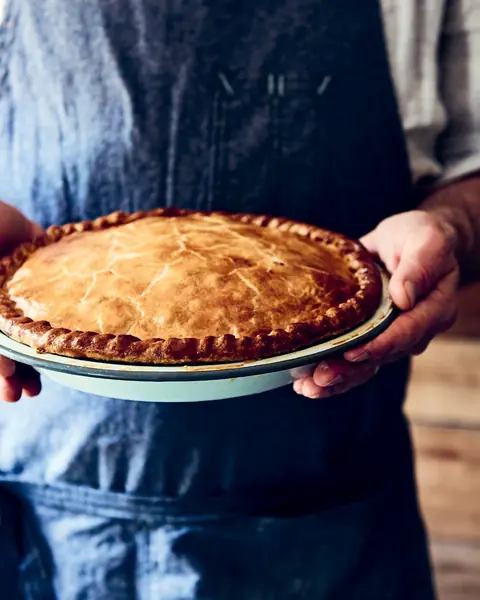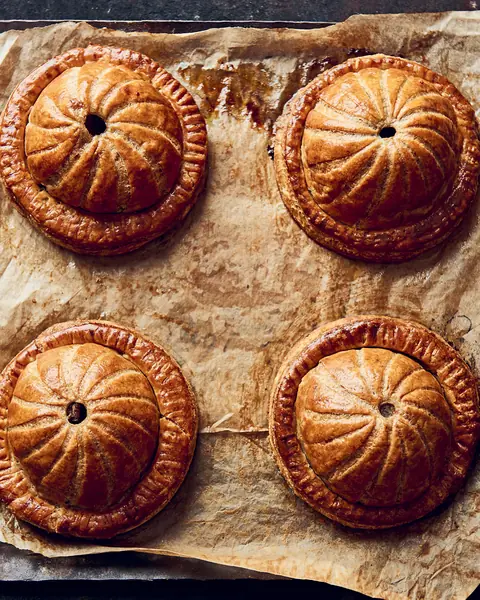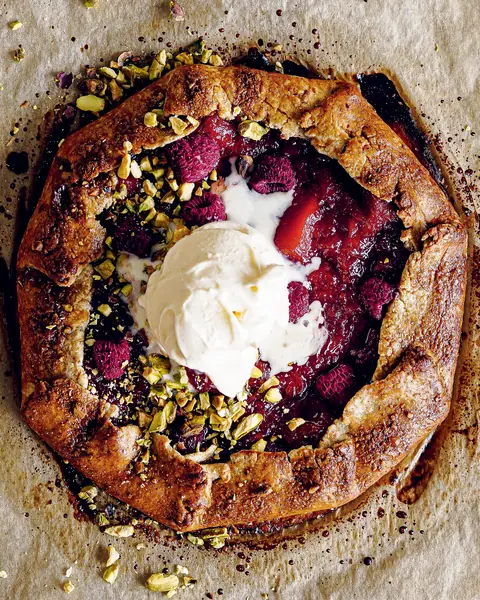
This recipe can be used to make galettes or pies and is excellent for sausage rolls.
The technique used here is similar to making puff pastry by laminating a butter sheet into the dough. I do four folds to build up layers of butter through the dough. If your dough feels a bit tough when you first start laminating it, use your rolling pin to beat the dough a little to make it more pliable.
Makes 1 kg (2 lb 3 oz).
Ingredients 9
Your new home
for cooking
Turn your recipe chaos into a plan for the week.
Browse 1000+ inspiring creator recipes
Unlimited recipe import from social media, blogs and more
Generate shopping lists and meal plans in seconds with AI
Method 14
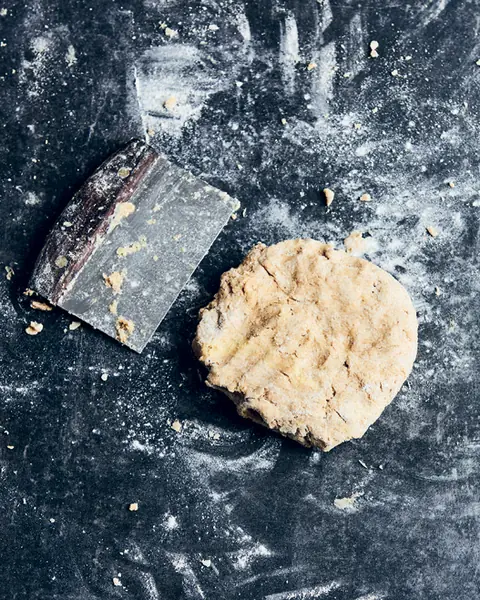
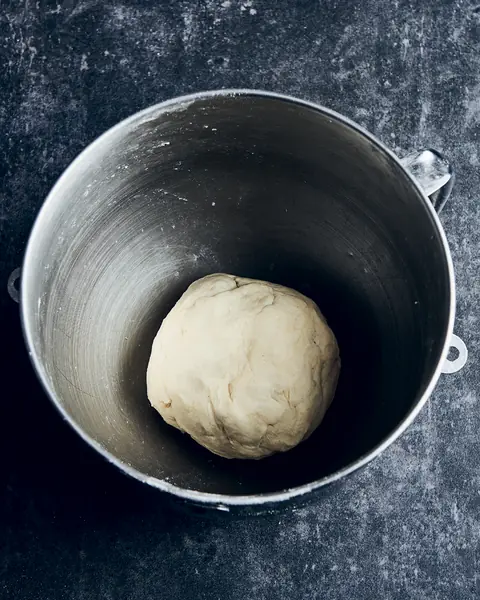
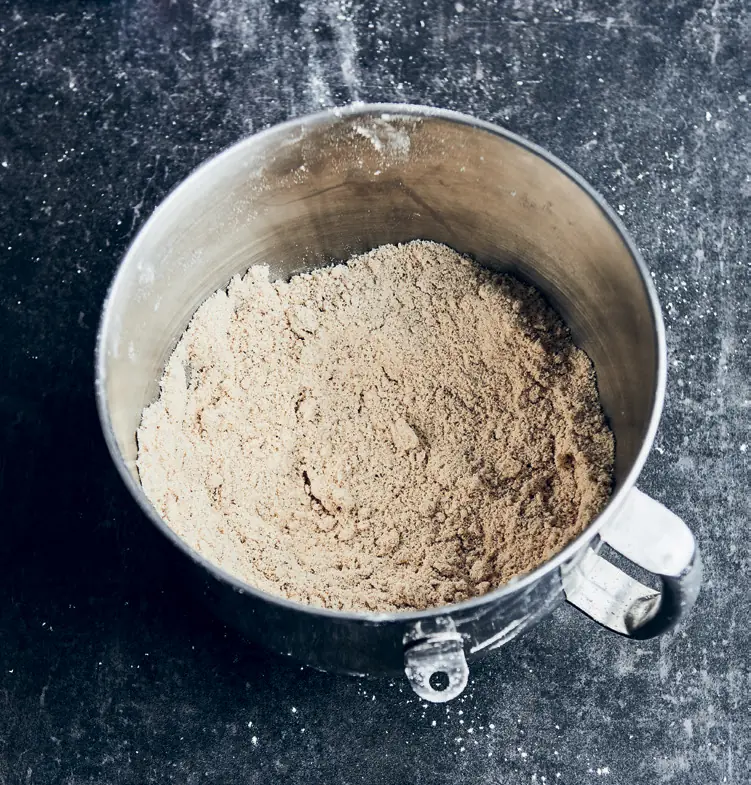
Combine the , , , , , and in the bowl of a stand mixer fitted with the dough hook. Scatter over the butter cubes. Mix on medium speed until the mixture looks like breadcrumbs.
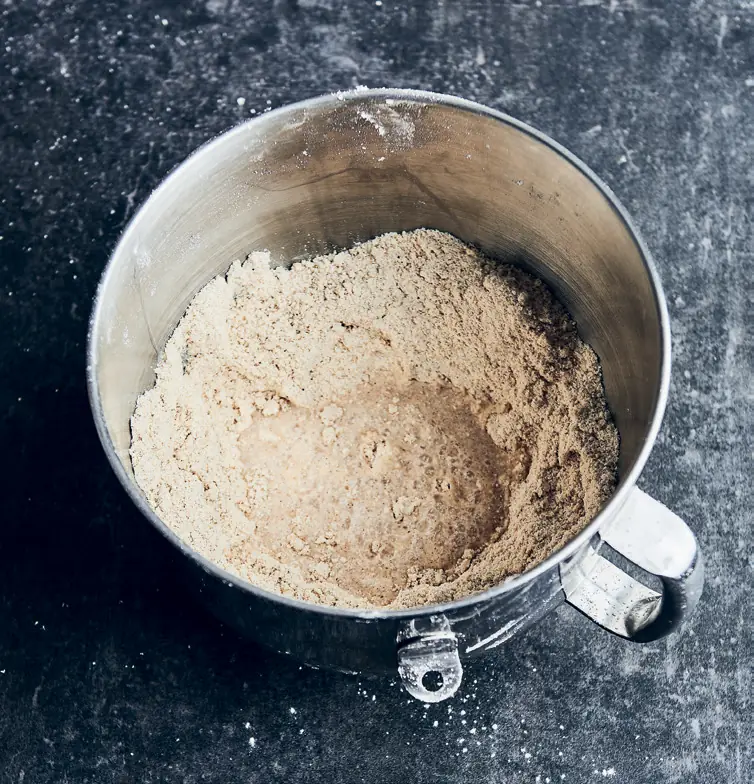
With the mixer running, add the .
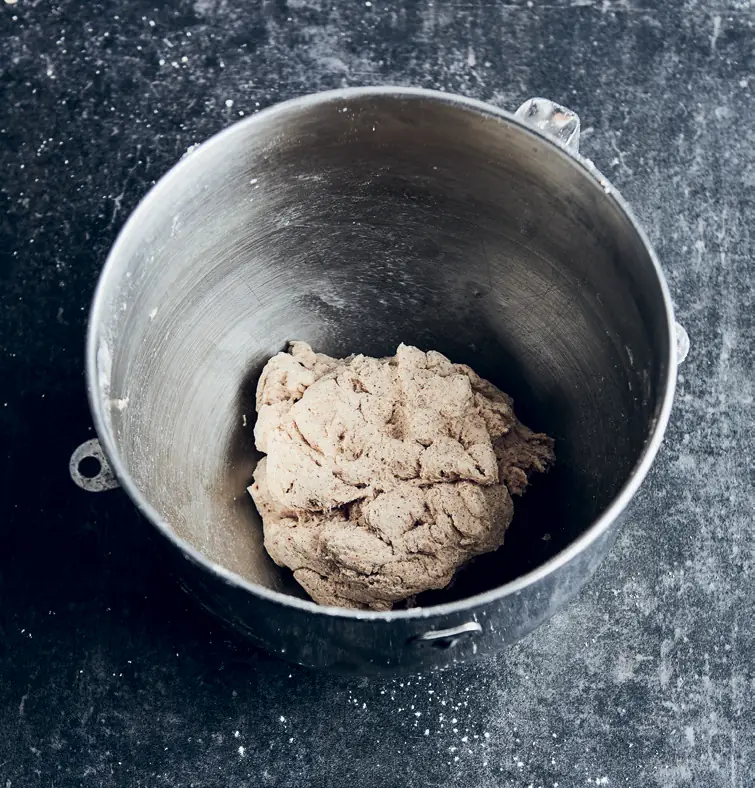
Mix to bring it all together into a firm dough with the texture of playdough. It should have a slight stickiness; if it feels too dry, add more water, 1 tablespoon at a time, incorporating it fully between additions.
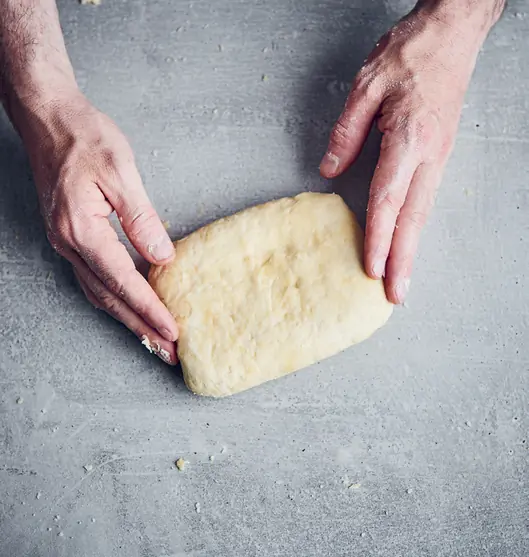
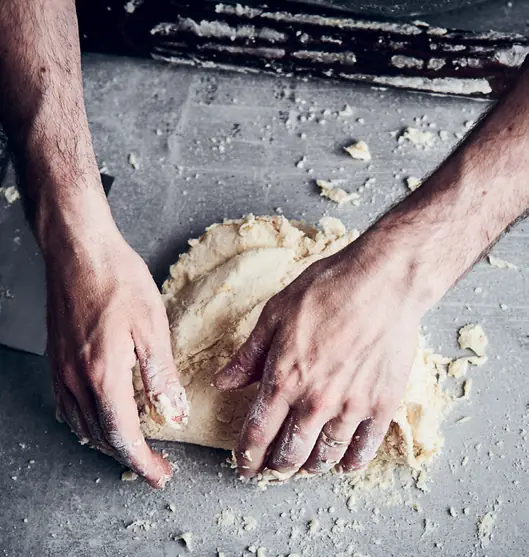
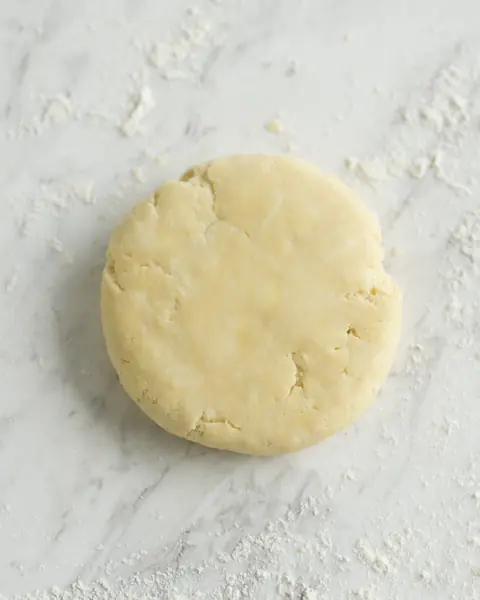
Tip the dough onto a lightly floured kitchen bench and knead it for 3–4 minutes, then shape it into a rectangle roughly measuring 18 × 20 cm (7 × 8 in). Cover and refrigerate the dough for 2 hours, or overnight.
Meanwhile, prepare the for laminating. Place the butter block between two sheets of baking paper and use a rolling pin to roll it into a rectangle roughly measuring 18 × 20 cm (7 × 8 in). Put the butter in the fridge, between the sheets of baking paper, and refrigerate for 2 hours, or overnight.
Remove the dough and rolled-out from the fridge 15 minutes before you laminate the pastry. You want the butter to be malleable but not too soft.
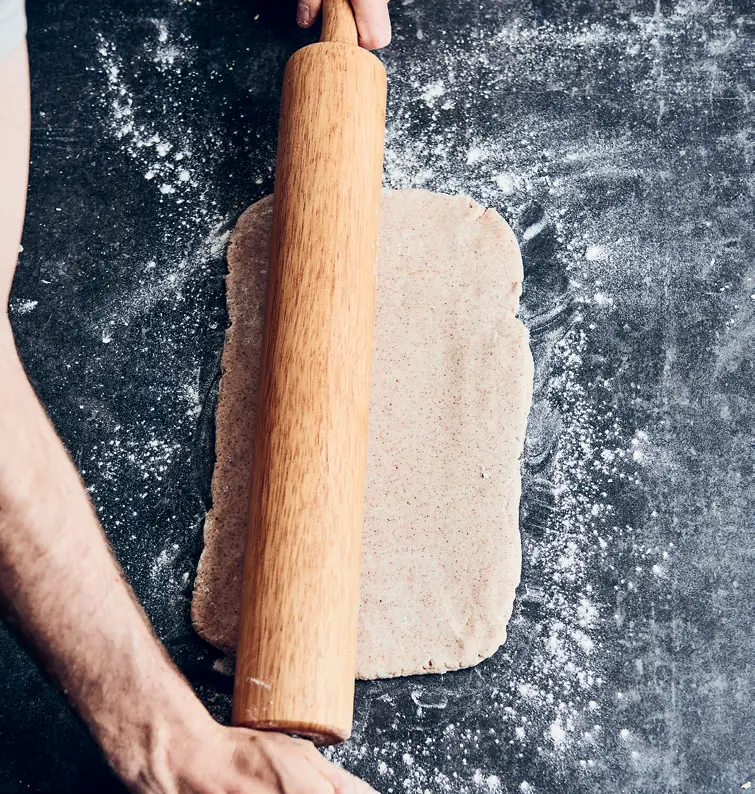
Lightly dust your kitchen bench with . Lay the dough rectangle on the bench with one short side parallel with the edge of the bench. Roll the dough away from you to form a rectangle measuring 20 × 40 cm (8 × 15¾ in), still with the short side closest to you.
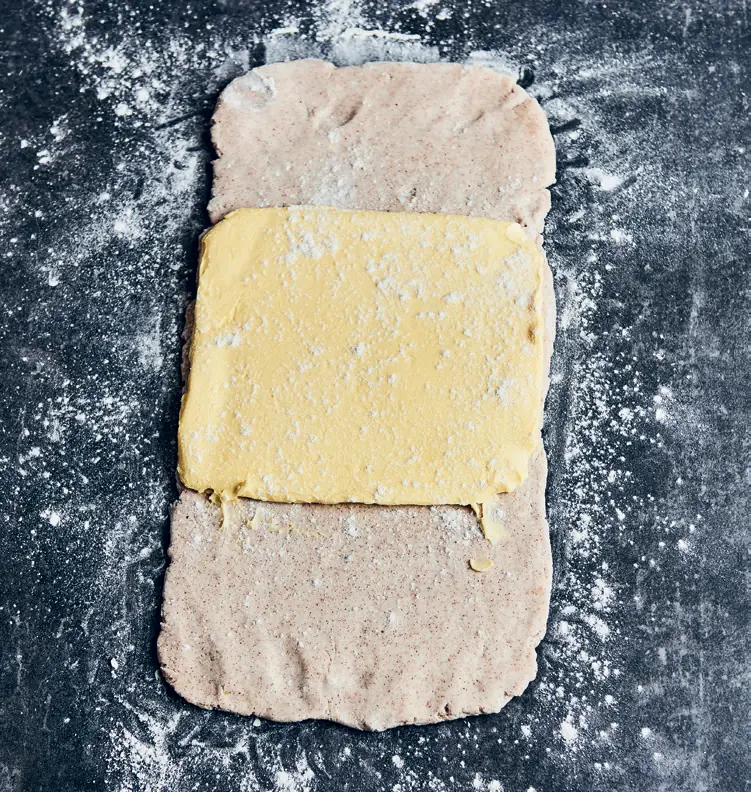
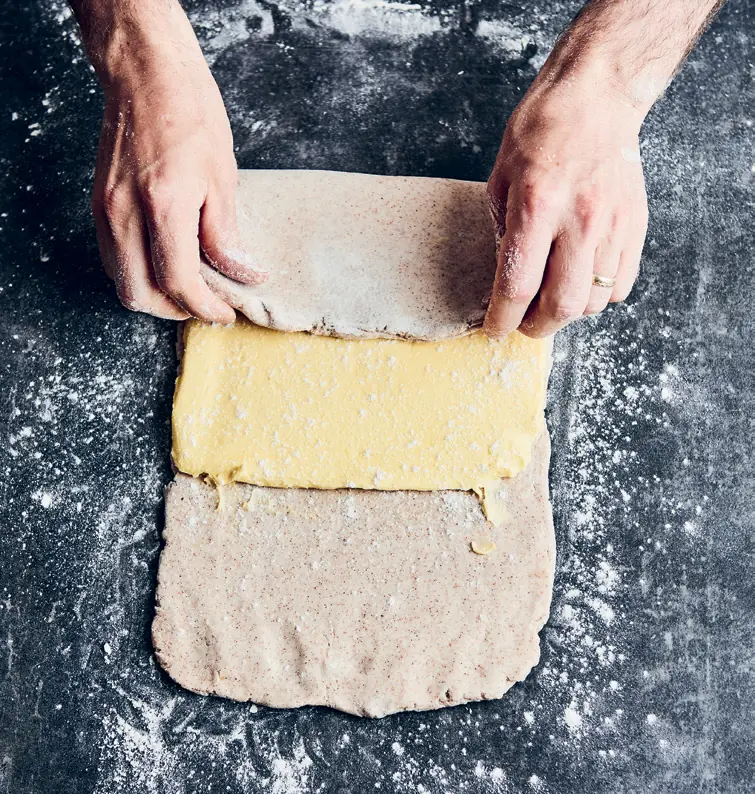
Place the in the middle of the dough, with the 20 cm (8 in) side of the butter parallel with the bench. Fold both free short sides of the dough over the top of the butter so they meet in the middle, encasing the butter. Lightly pinch the ends together to seal (the seam should run parallel with the bench).
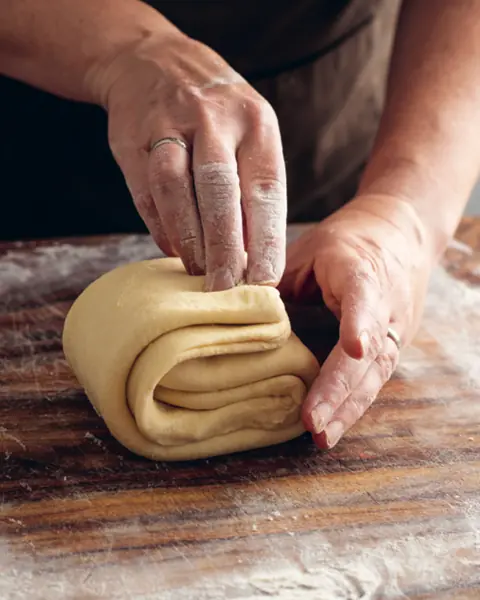
Rotate the dough block 90 degrees so the seam is now perpendicular to the bench. Using your rolling pin, gently press or stamp along the length of the dough to make it more malleable. Roll the dough away from you to form a 20 × 40 cm (8 × 15¾ in) rectangle, again with one short side parallel with the bench. Starting from the side closest to you, fold the bottom third of the dough into the middle, then the top third over the top of that, as if folding a letter.
Rotate the dough 90 degrees anticlockwise, placing the open seam to the right.
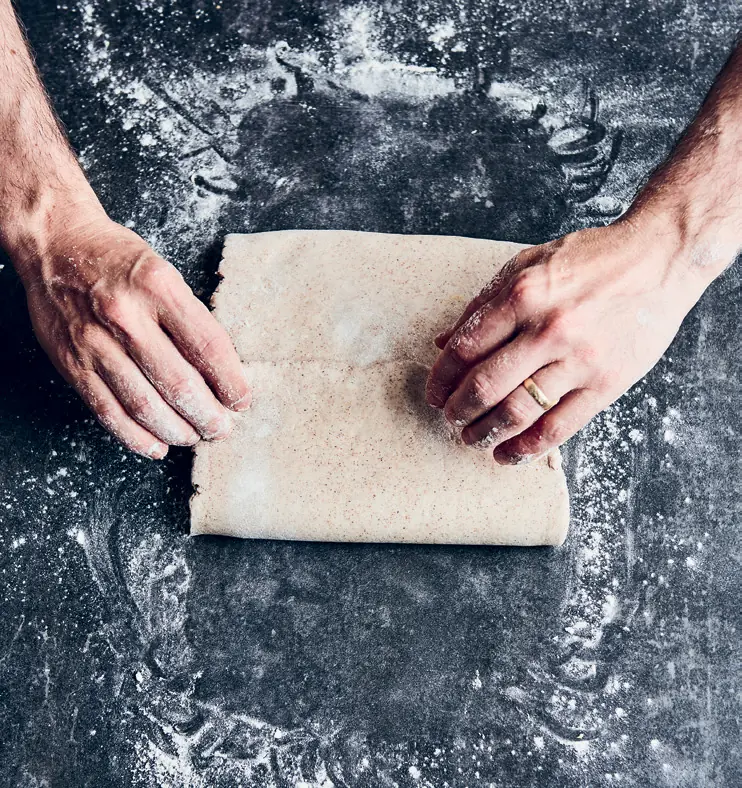
Repeat this step three more times, rotating the dough 90 degrees between each fold.
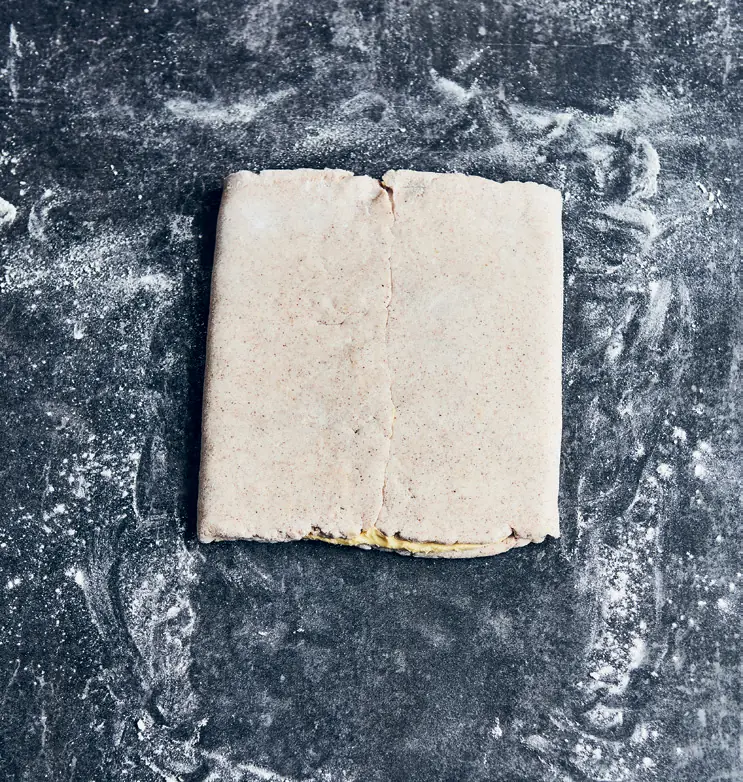
If the gets too soft, put it in the fridge for 30 minutes after the second fold before proceeding.
Once all four folds are done, wrap your pastry and chill for at least 1 hour before use. Leave the pastry at room temperature for 15 minutes before you use it, to soften slightly.
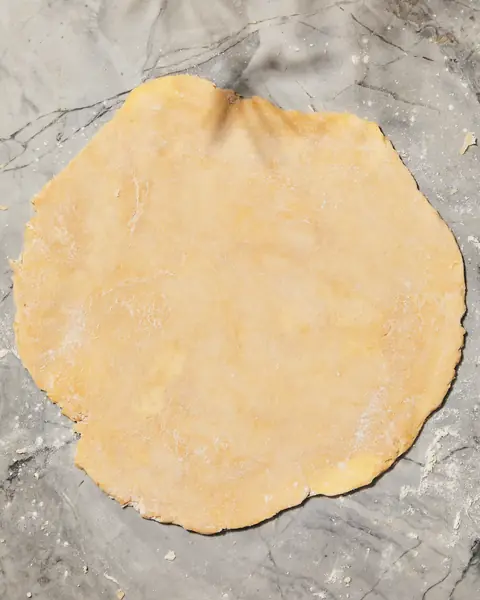
Roll the pastry between two sheets of baking paper to the required shape and thickness, then wrap and return it to the fridge for 1 hour before using. The pastry will keep for 5 days in the fridge, or up to 3 months in the freezer.

Urbanstead's tips
One benefit of not having gluten in the dough is that you don’t need to rest it between folds to allow the protein bonds to relax. So once you’ve made the dough and prepared your butter sheet, you can chill them and then do all the folds at once. However, there is a caveat: in a warm kitchen you might find that the butter starts to melt; in this case, cover and refrigerate the dough after a couple of folds to firm up the butter a little.