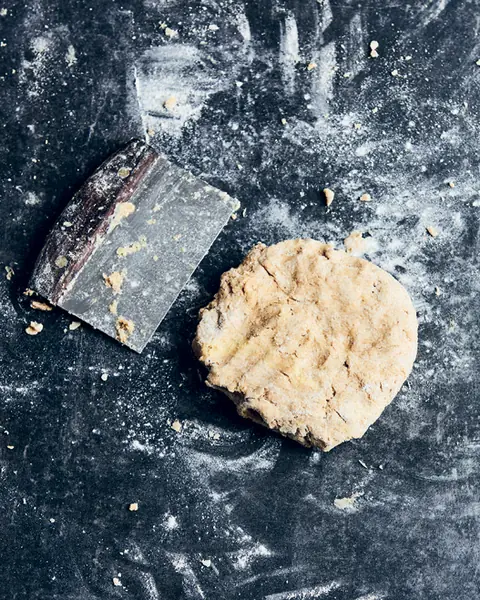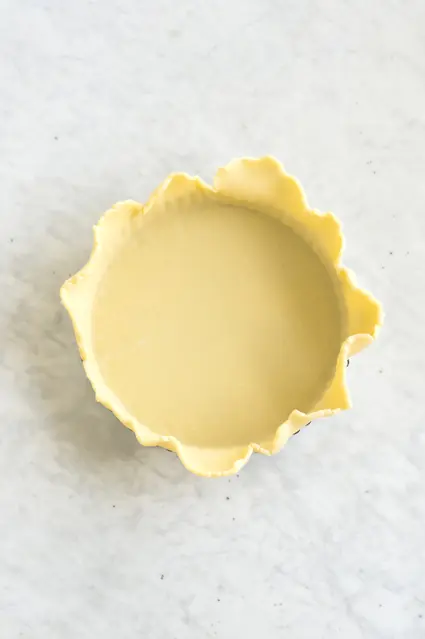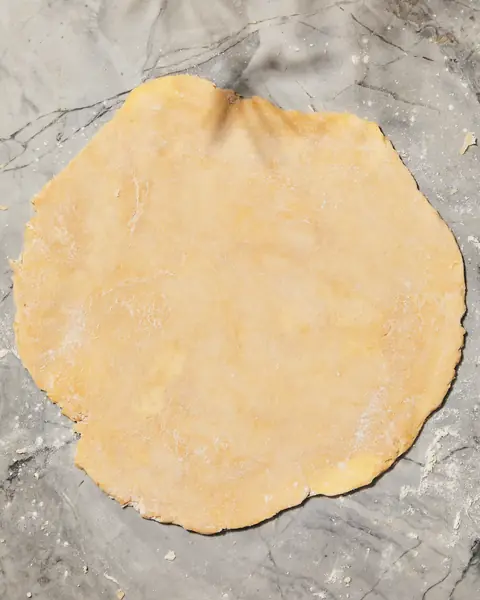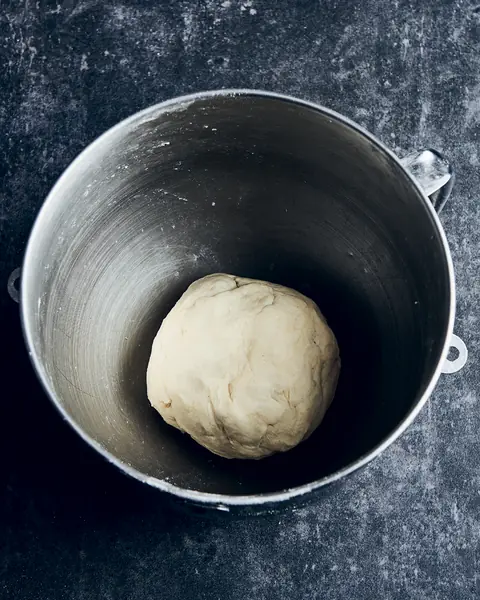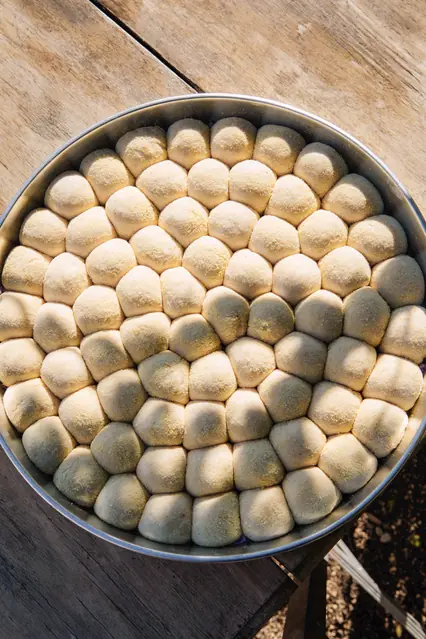
This is a traditional Cornish pasty pastry. My Gran used to make this lard pastry every week for our pasties or pasty tarts, so it’s an incredibly well-used and proven recipe. It’s also wonderfully easy to work with; if it tears, you can simply stretch a little excess over the rip and carry on. The lard and butter provide lots of flavour, making it a good option for almost any savoury bake.
I have added a wholemeal variation because I love the flavour of whole grains. Another traditional variation is to use beef dripping instead of lard, resulting in a different flavour and crisper finish. You can of course also just use all butter in the recipe.
Ingredients 6
Wholemeal Variation
Your new home
for cooking
Turn your recipe chaos into a plan for the week.
Browse 1000+ inspiring creator recipes
Unlimited recipe import from social media, blogs and more
Generate shopping lists and meal plans in seconds with AI
Method 11
Put the and in a mound on your kitchen bench and scatter the chilled and cubes over the top.
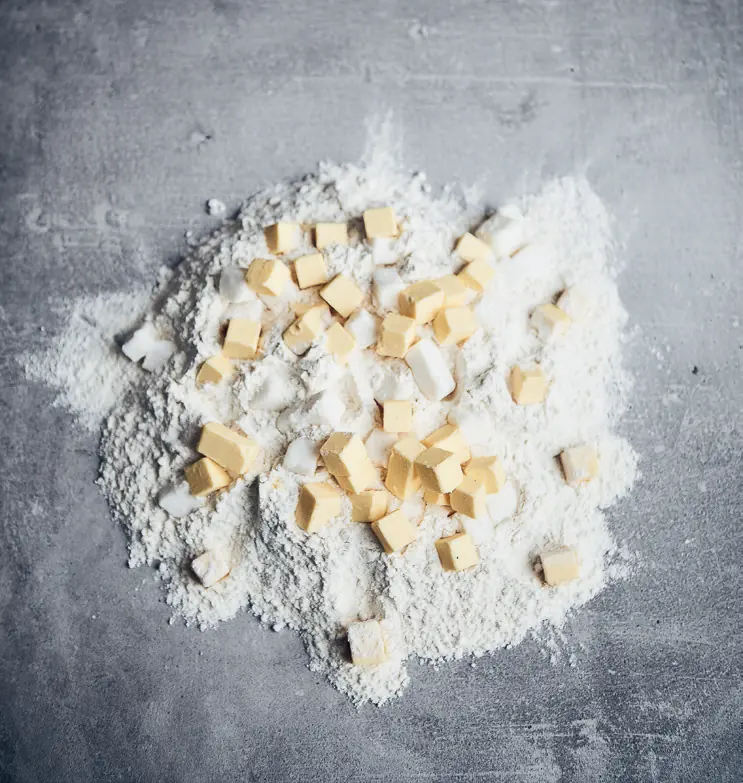
Use a rolling pin to roll the fats into the , gathering the flour back into the middle as you go with a dough scraper or spatula.

Keep rolling until the mixture has a crumbly texture, with shards of the size of rolled oats still visible.
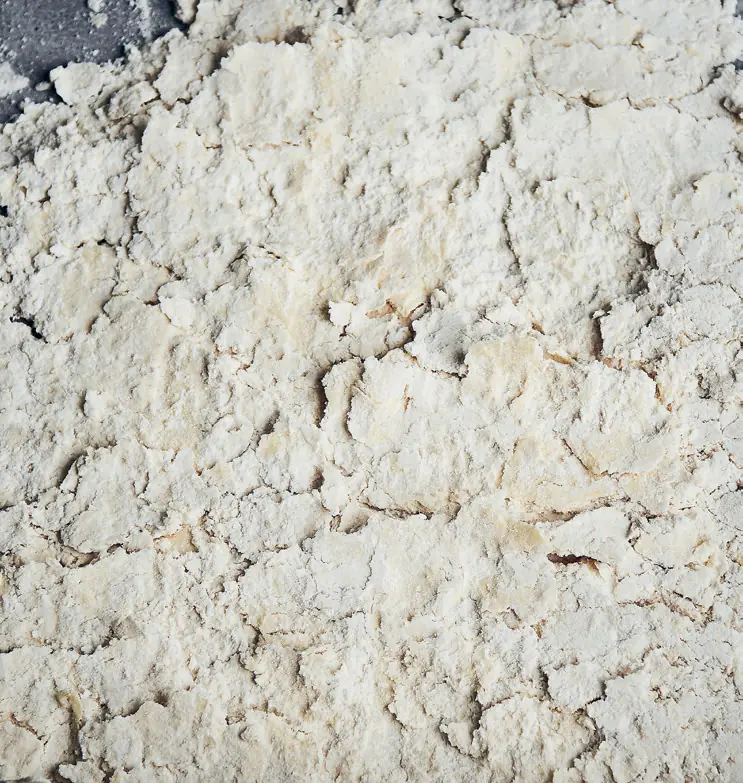
Make a well in the middle and add the .
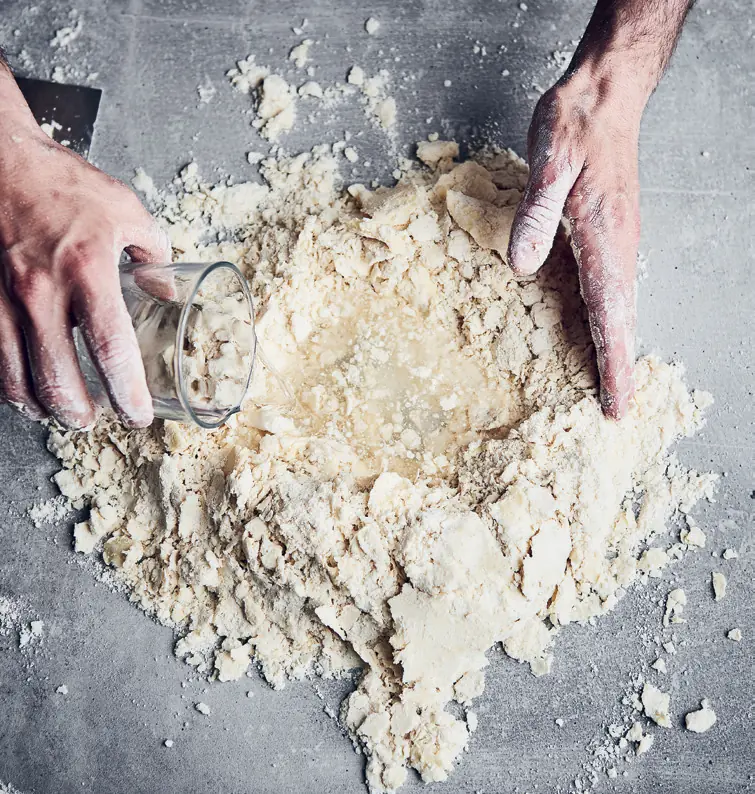
Continue using the dough scraper to fold the over the and gently work it in with your hands, working from the outside in, until the dough just comes together.
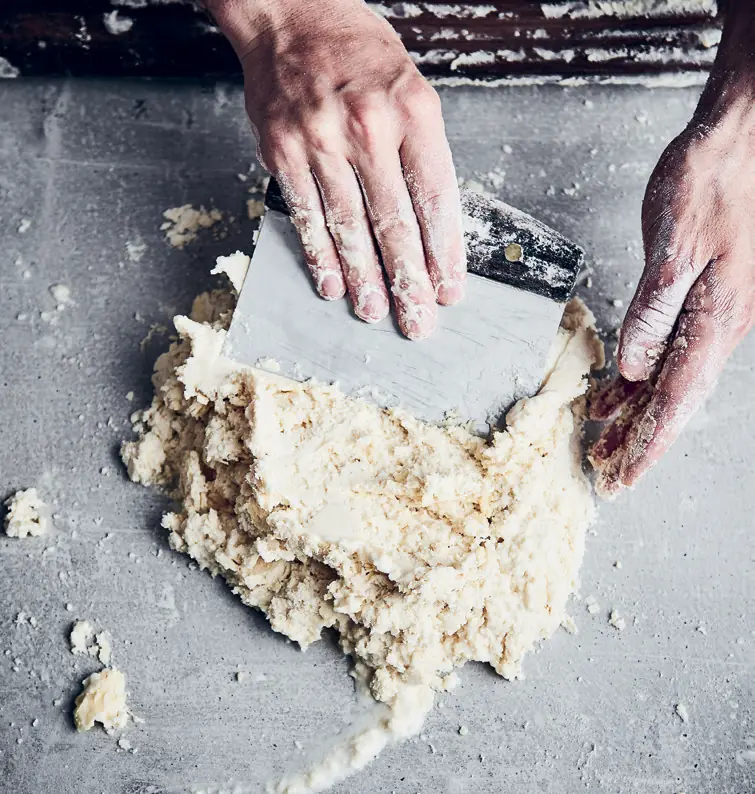
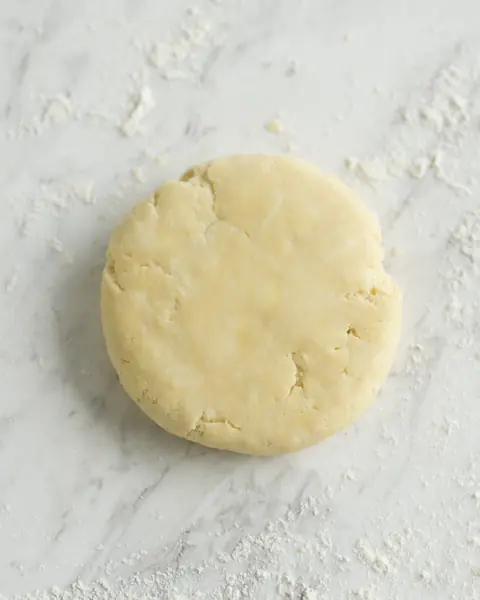
The dough should be firm and not sticky to the touch.
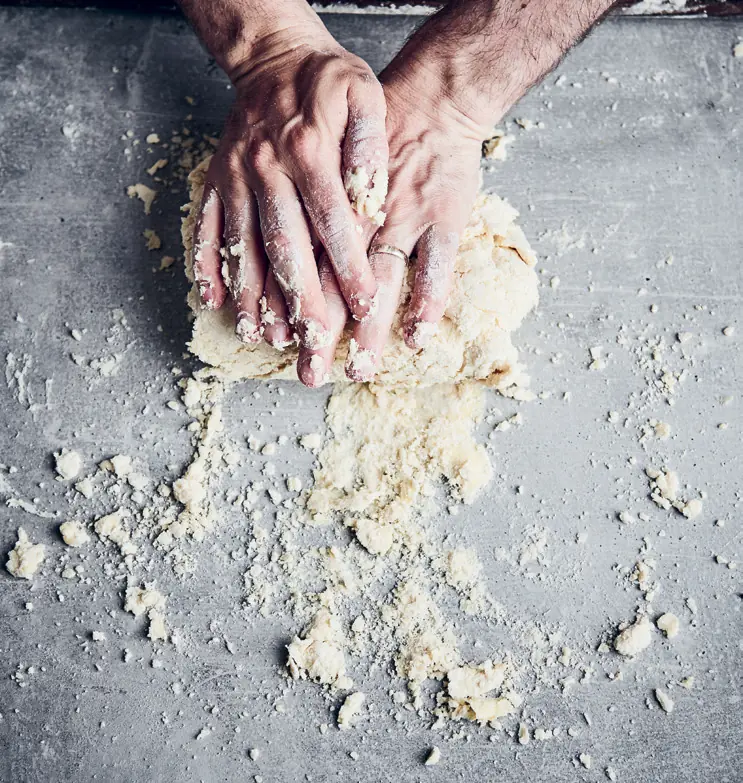
Roll out or press the dough into a rectangle 2–3 cm (¾ –1¼ in) thick (exact dimensions are not important here).
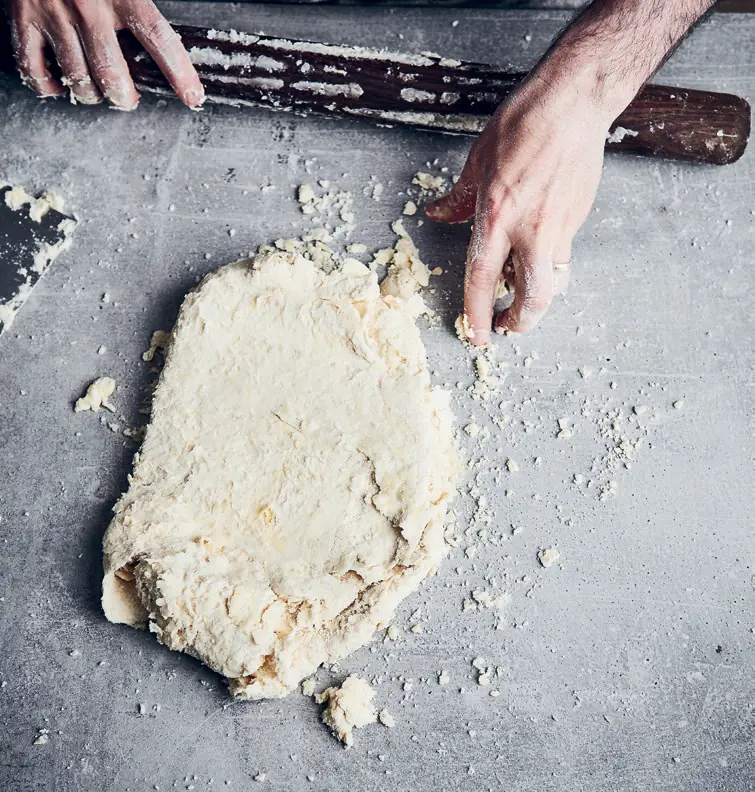
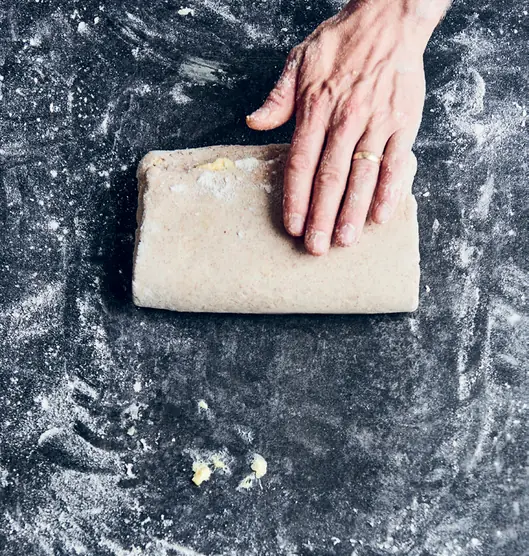
Fold one-third of the dough into the middle, then the other third over the top of that, as if folding a letter.
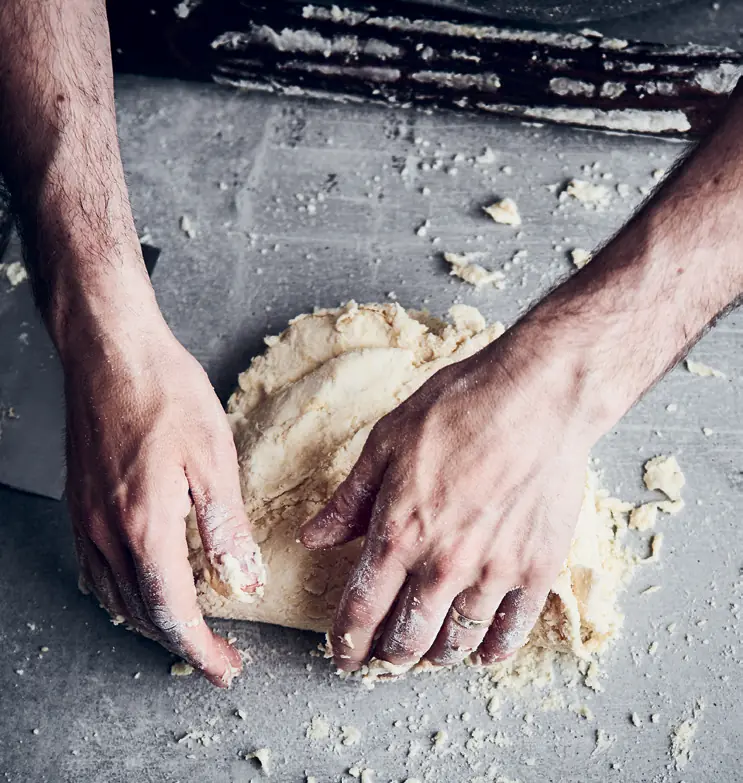
Rotate the 90 degrees and roll it out again into a rectangle 2–3 cm (¾ –1¼ in) thick, then repeat the letter fold. Don’t worry about making these folds perfectly neat – this is just to finish bringing the dough together and layering the , which results in a lovely flakiness.
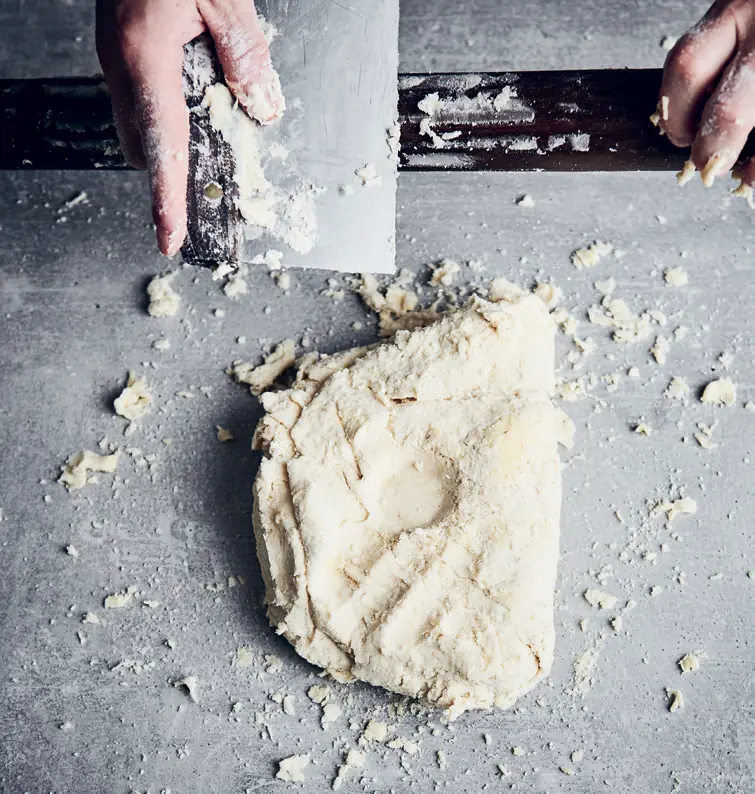
Fold the dough over itself a few times to create rough layers.

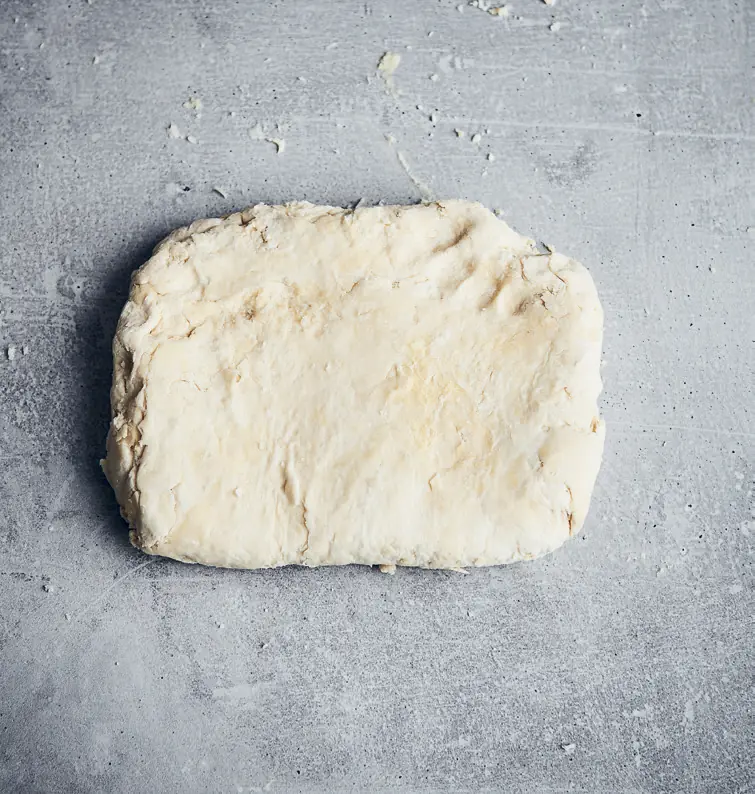
Shape it into a flat block, then wrap and put it in the fridge to rest for at least 2 hours, or preferably overnight, before using. The will keep for 3–4 days in the fridge, or up to 3 months in the freezer.

Urbanstead's tips
Wholemeal (whole-wheat) flour will absorb more liquid than plain. If you find the dough too dry, you can add extra water, 1 tablespoon at a time as you are completing your dough, until you have the correct consistency.