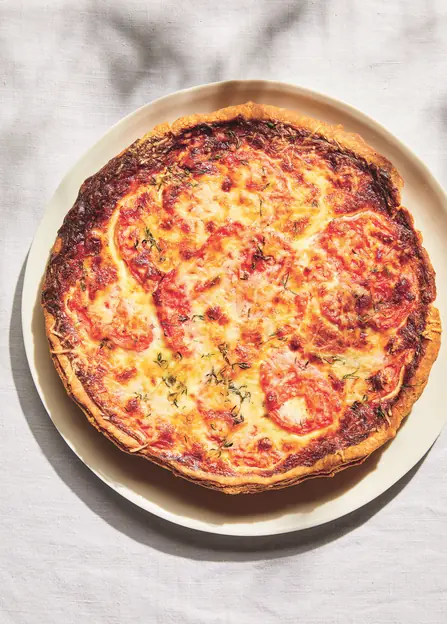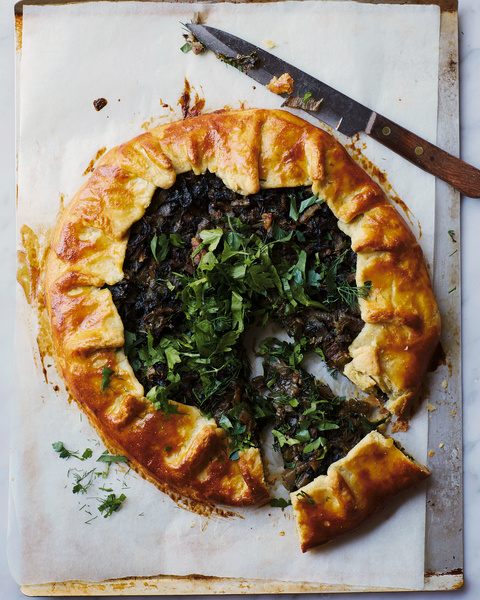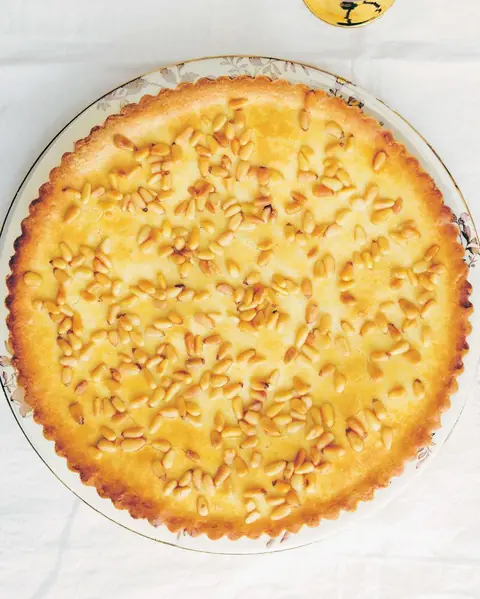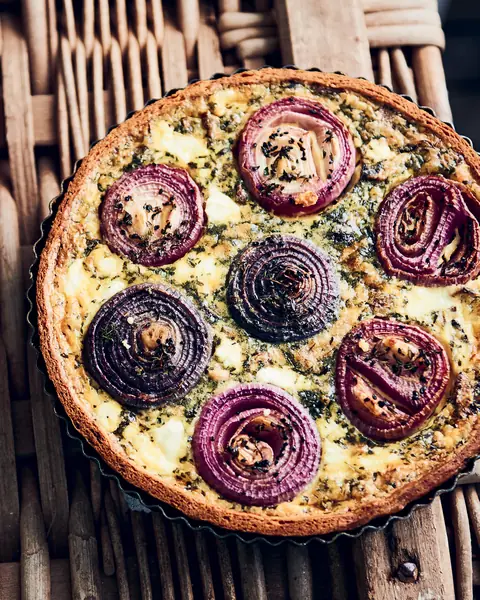
Any sort of savoury tart can be made with this recipe, but if you are lucky enough to be in possession of some peppery, foraged wild asparagus and herbs, this is possibly one of the nicest ways to make a meal of them. A wonderfully versatile tart, it can be served in thin slices as part of an antipasto, as a light lunch with some salad, bread and a glass of wine, or packed in a picnic or brought along to a friend’s barbecue.
This pastry is quick and easy to pull together. It’s a very basic shortcrust dough adapted from an Artusi recipe (one for pasticci or savoury pies). You can also use a store-bought roll of plain shortcrust pastry or puff pastry if you’re short on time (start the recipe at the blind baking stage) – but honestly, this doesn’t take long to make. The pastry can be prepared (and blind baked) the night before and the tart simply all put together right before you need it.
Ingredients 12
Shortcrust Pastry
Filling
Your new home
for cooking
Turn your recipe chaos into a plan for the week.
Browse 1000+ inspiring creator recipes
Unlimited recipe import from social media, blogs and more
Generate shopping lists and meal plans in seconds with AI
Method 9
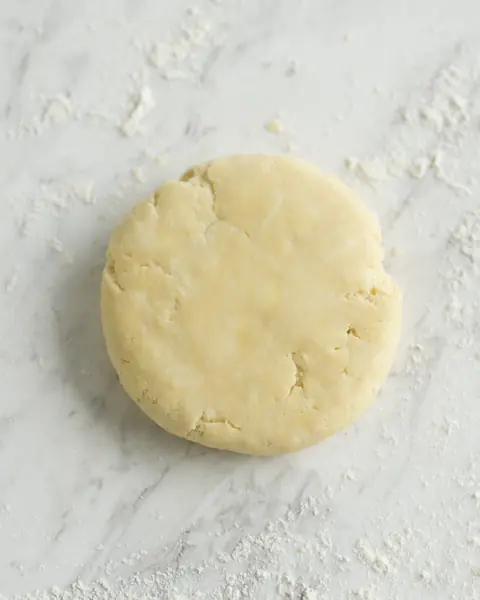
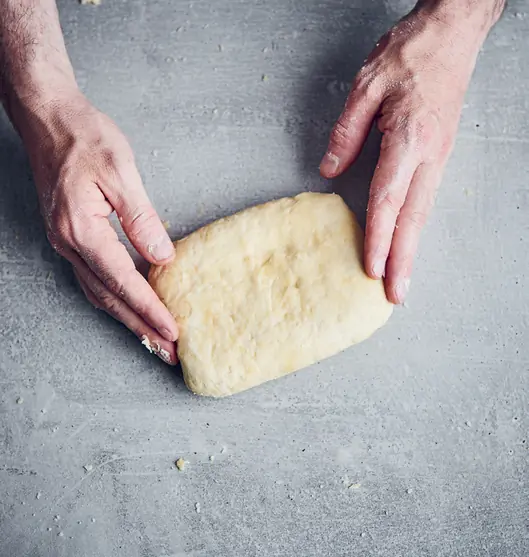
To make the pastry, rub the chopped cold into the until there are no more large pieces of butter left. Add the and the (or water) a bit at a time until the dough just comes together (you may not need it all). Don’t overwork it – stop as soon as it looks smooth and is neither sticky nor dry. If you’re doing this in a food processor, it’s even easier – blitz the butter and flour together and add the liquid in pulses until it comes together and is a smooth consistency. Chill in the fridge for 30 minutes, covered.
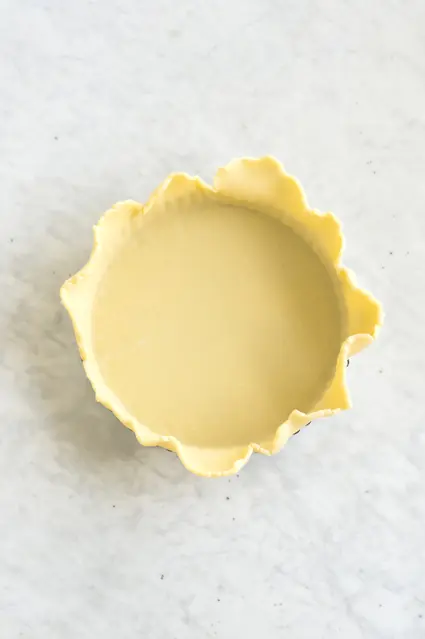
On a work surface dusted with , roll the pastry out to 3–4 mm (1/4 in) thickness. Carefully transfer it to a pie dish approximately 24–26 cm (9½–10 1/4 in) in diameter, and gently press it down into the grooves of the dish. Trim the top edge with a sharp knife. Prick the base of the pastry all over with a fork. If making this ahead of time, at this point you can keep the raw pastry crust in the fridge overnight, well wrapped in plastic wrap, or keep in the freezer for another time.
When ready to use the pastry crust, heat the oven to 180°C (350°F).
Blind bake the pastry crust (this goes for store-bought pastry too) by setting baking paper over the top of the crust and filling the entire pastry case with baking beads. This will help the pastry to bake evenly. If you don’t have baking beads, you can use some dried rice or beans. These are re-usable for this purpose; I keep mine in a jar labelled ‘For blind baking’ so I don’t mix them up with the rest of the rice or beans.
Bake for approximately 10–15 minutes, or until the edges of the pastry begin to turn golden. Remove from the oven and remove the baking beads and baking paper carefully. Return the crust back to the oven to ‘dry’ out the base for no more than 5 minutes. Set aside to cool.
Meanwhile, wash and pick through the and , cutting off any tough parts of the stalk and chopping the rest roughly. I like to leave the asparagus long (if using regular asparagus, cut in half lengthways).
Put the in a large pan with half the and a pinch of salt. Cook gently over low heat for 5–10 minutes, stirring occasionally, so the onions sweat and soften without browning. You may need to add a splash of water to keep the mixture moist and so it doesn’t stick.
Add the and the (or water), and season with salt and freshly ground black pepper. Cook, stirring, over low–medium heat for approximately 7–10 minutes, or until tender. Set aside to cool.
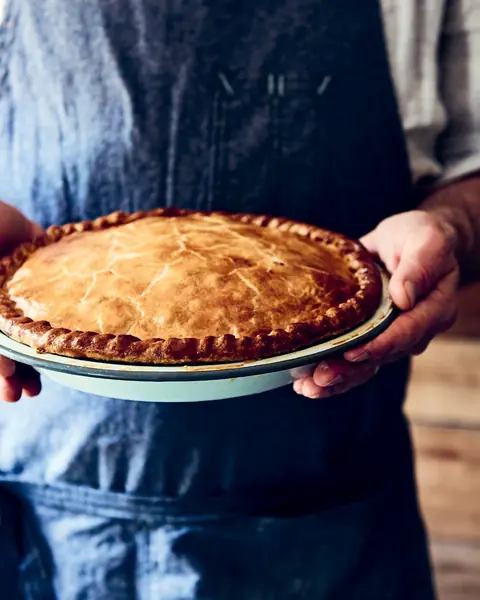
Beat the together gently with a fork. Season with salt and freshly ground black pepper. Add the cooled asparagus mixture, along with the chopped and , to the eggs. Pour the mixture over the pastry and bake in the oven for approximately 20–25 minutes, until the top is puffed and golden.

Emiko Davies's tips
You can use any herbs here. Wild ones common to southern Tuscany would be wild fennel fronds, calamint, wild garlic, nettle and dandelion greens – a mixture of them adds fragrance and zingy character. But otherwise, a mixture of common fresh herbs such as thyme, marjoram, chives, mint and basil would be the next best thing.