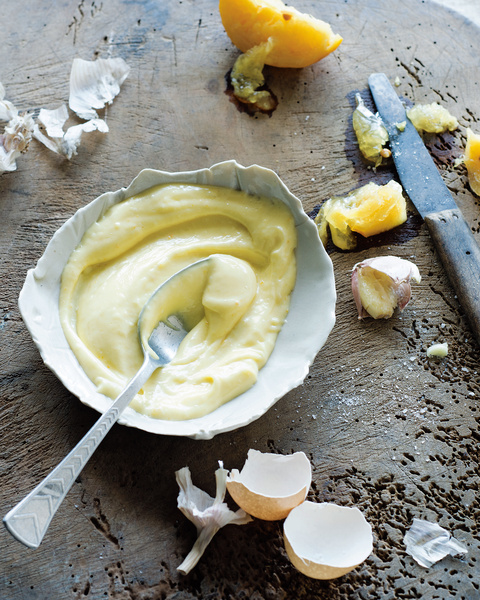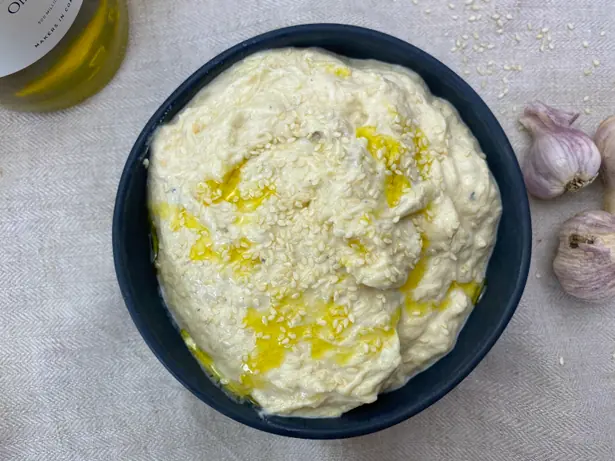
Aioli is a dish whose name has been misappropriated. It is made with garlic, salt and olive oil, and usually egg yolks, though not always. And that’s it. Sure, some add vinegar, some add lemon, some add mustard but, in my opinion, it then becomes something else: a garlic mayonnaise, for example, but not aioli. David Tanis, my head chef at Chez Panisse, taught me this and it stuck with me because I felt so misinformed until that moment. I am all for a bit of fusion, but you must also know how to honour the traditions you are taking from. Part of the beauty of learning about traditions not my own is figuring out how they fit with what I like to cook. The other beautiful thing is the learning itself, and the teaching that should come with that; only then can you tell the full story of a dish and, I think, cook the best food.
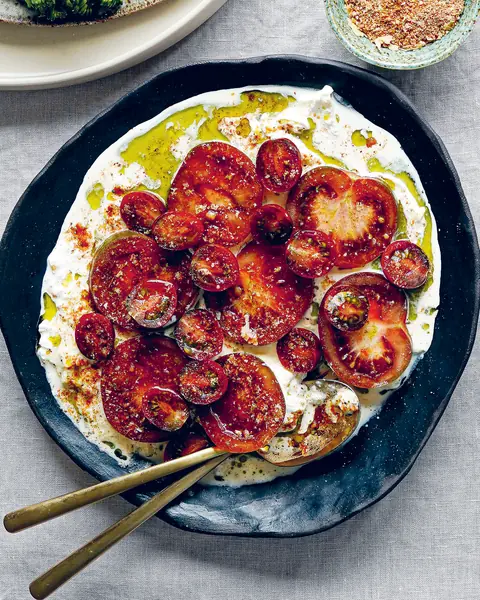
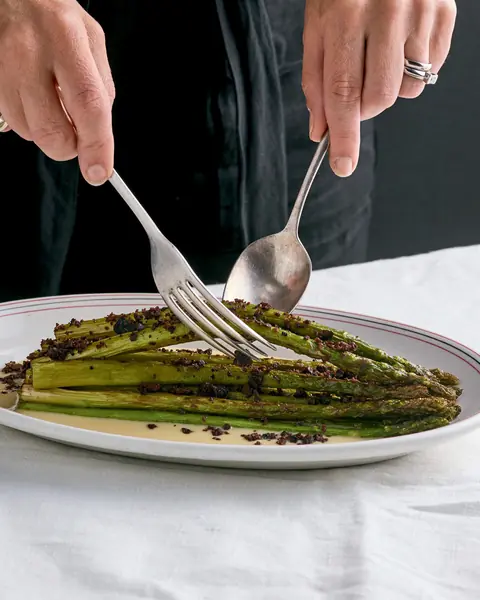
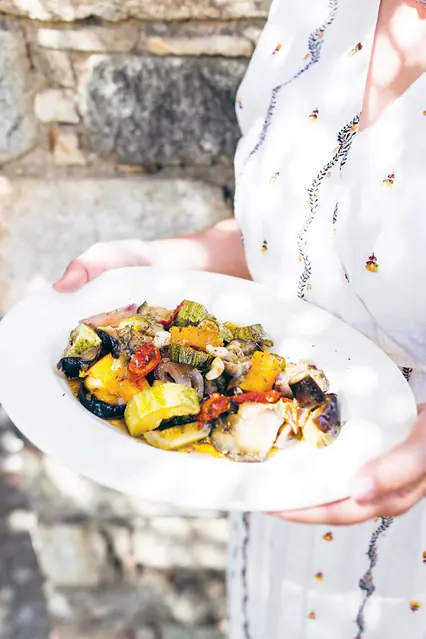
Aioli, for example, is comprised of two Provençal words: ai, meaning garlic, and oli being oil. It is both a sauce and a dish, and one of my favourite summertime dishes at that. The ‘dish’ of aioli is simply a generous bowl (or mortar) of the sauce served with boiled and raw summer vegetables, such as tomatoes, capsicums (bell peppers), potatoes, fennel, zucchini (courgettes), carrots and beans. A ‘grand aioli’ usually includes some sort of added protein, like salt cod, octopus, or boiled eggs or meats. It’s best in summer because garlic is at its best then. A French chef once told me a good aioli should warm you with the essence of garlic.
Ingredients 4
Your new home
for cooking
Turn your recipe chaos into a plan for the week.
Browse 1000+ inspiring creator recipes
Unlimited recipe import from social media, blogs and more
Generate shopping lists and meal plans in seconds with AI
Method 5
Crush the in a mortar and pestle with a pinch of until it is smooth, then scoop into a flat-bottomed bowl.
Add the and gently whisk with another pinch of to incorporate. I find adding the salt at this stage is the only way to get the seasoning to distribute evenly; adding it at the end doesn’t achieve that.
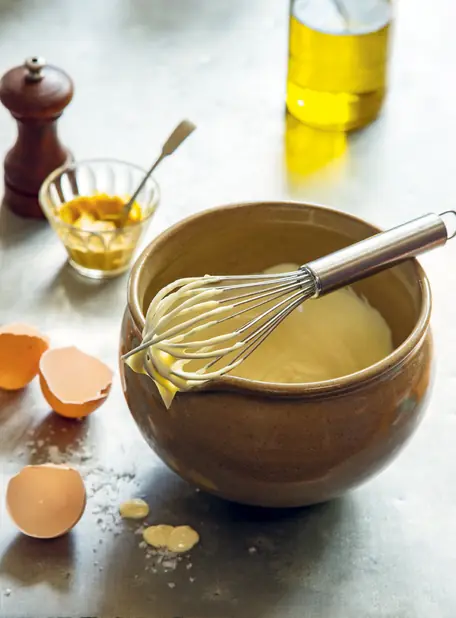
Now, while whisking gently in one continuous direction, slowly drip in the in one thin stream. You’ll notice the emulsion will thicken and, at this stage, it’s important to add a few drops of tepid water, as this will relax the mix just enough so that it can take on more oil without splitting.
Continue whisking and pouring in a thin stream, but once the emulsion looks like it is well established, you can pour in a quicker stream. If ever it feels too thick, like thick mashed potatoes, add another few drops of water and it should rebound. Too much water though and you will end up with something too thin.
The result should be spoonable without being runny, and should be thick enough to dip in without dripping. The end result is creamy and luxurious, redolent with garlic but balanced with beautiful olive oil. If it’s a very hot summer day, place it, covered, in the fridge until ready to serve. It cannot be made more than a few hours in advance and cannot be kept overnight.

Danielle Alvarez's tips
The olive oil you choose here is important. It should be at the softer, fruitier end of the spectrum. You don’t want pepperiness or bitterness, or anything too green, or the result will be too harsh.
Also, importantly, everything should be at room temperature. If your eggs or oil are too cold or too warm, too different in temperature, it will split. You will probably split an aioli once or twice when you start attempting it, but don’t let this stop you. Once you know what to look for, you won’t make the same mistake again.
The good news is you can also take the broken aioli and gently drip that into a clean bowl with a couple of fresh egg yolks and start from scratch without wasting it. To save yourself some frustration, though, just follow the recipe and you’ll be fine.