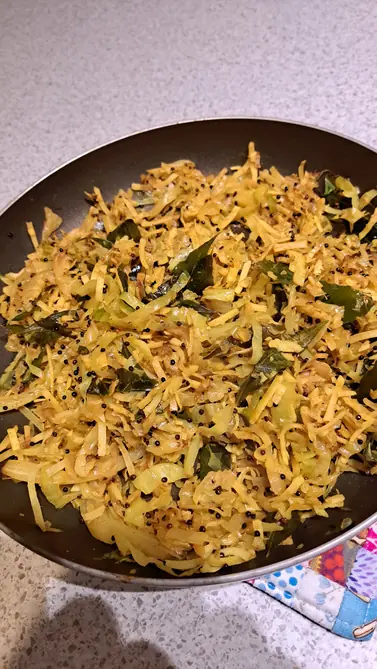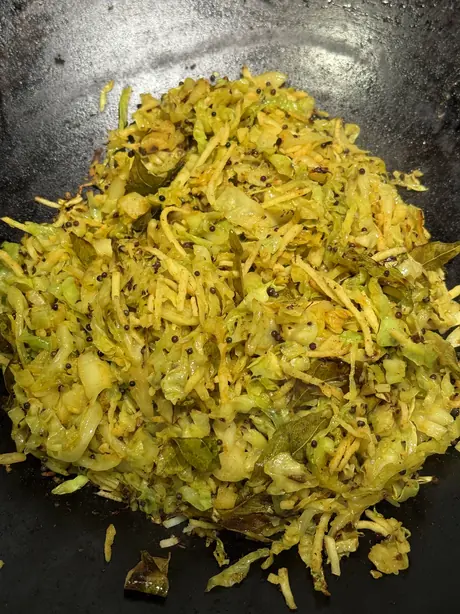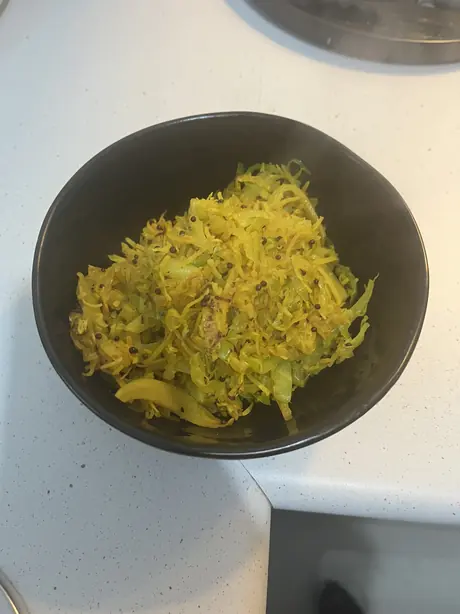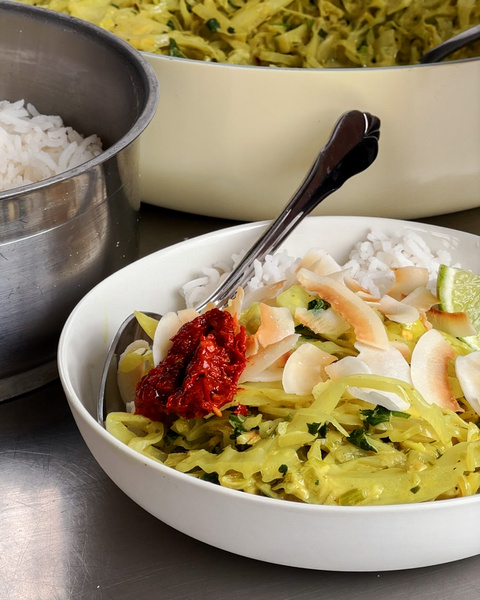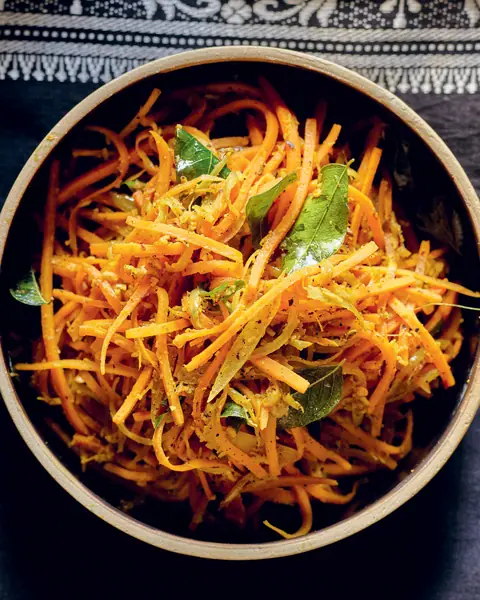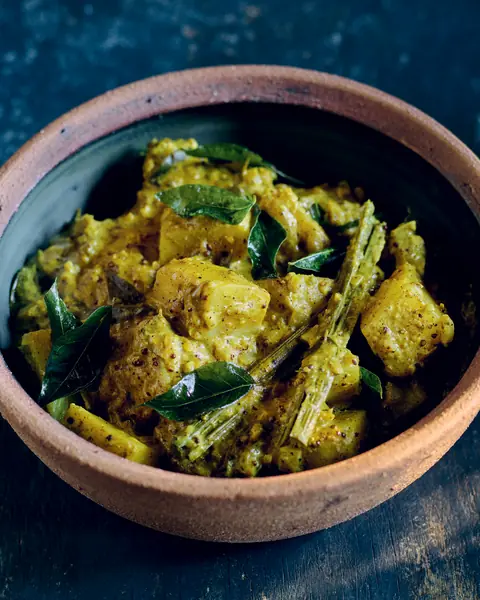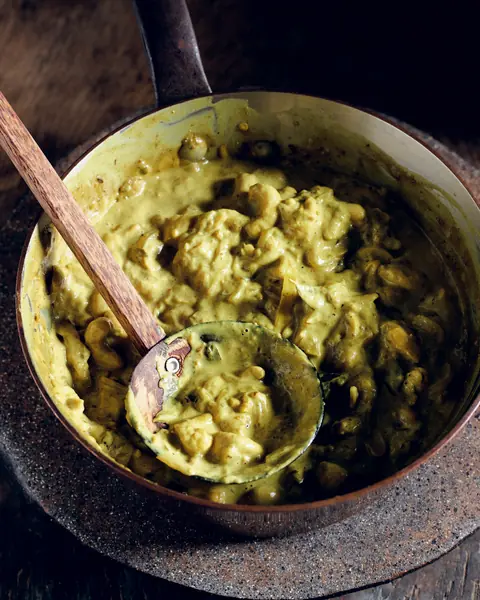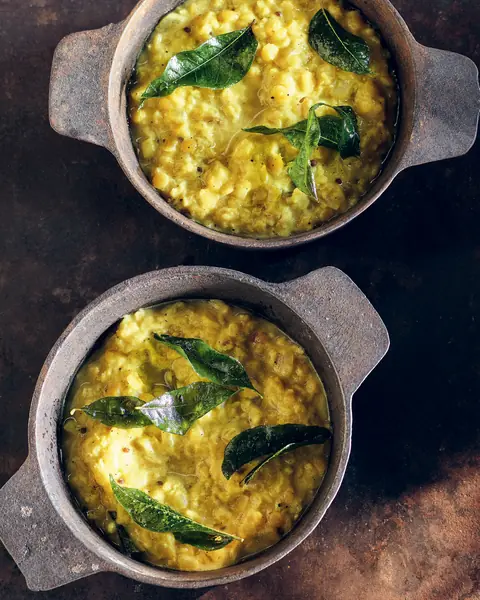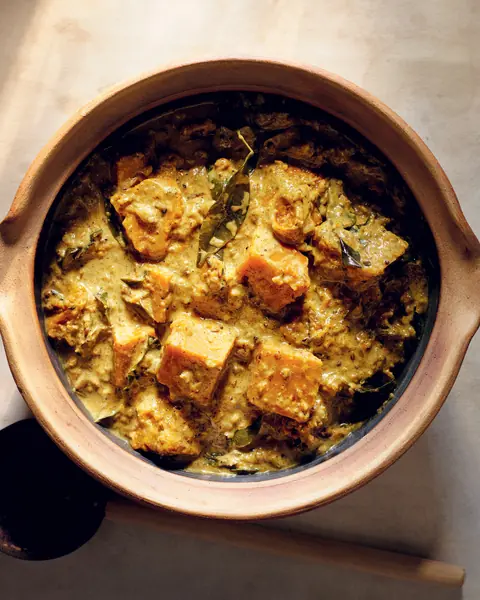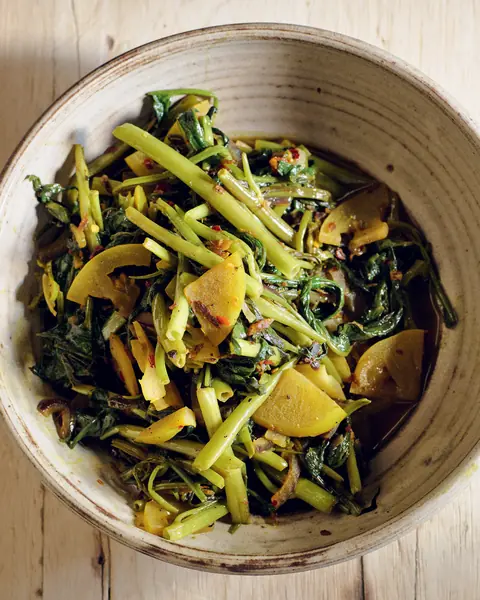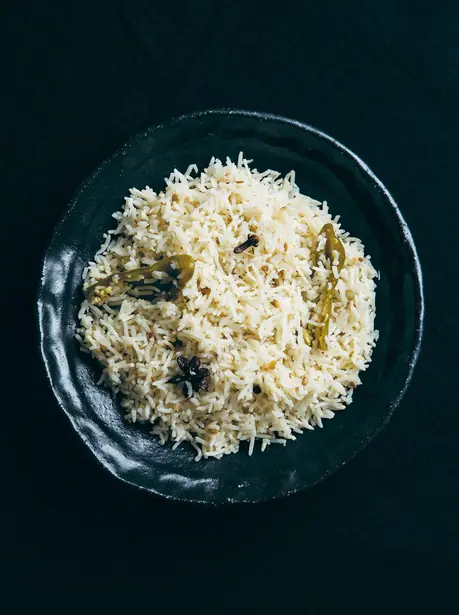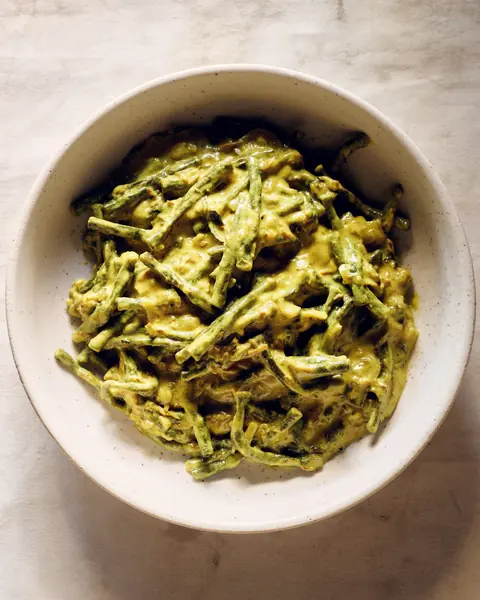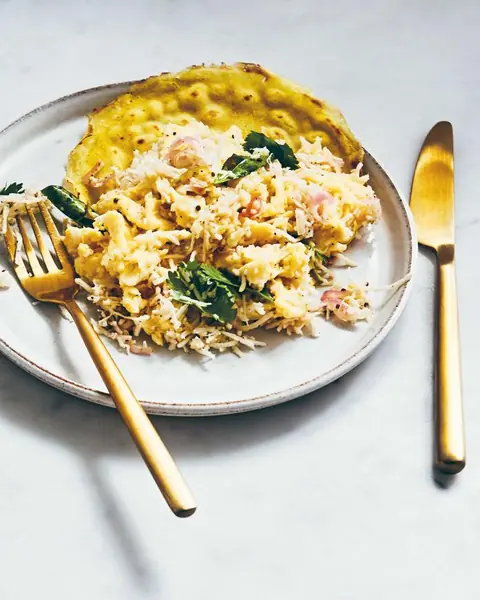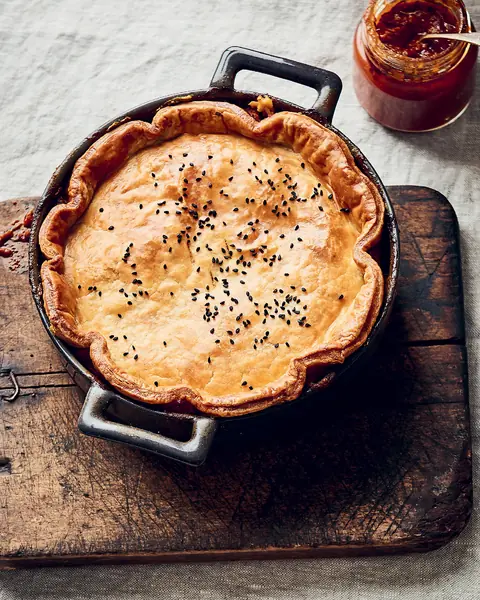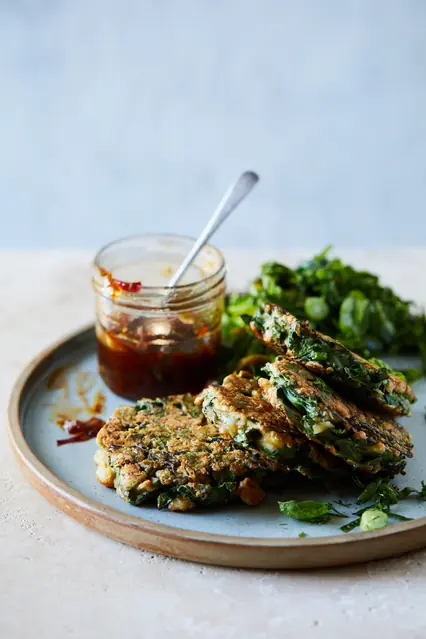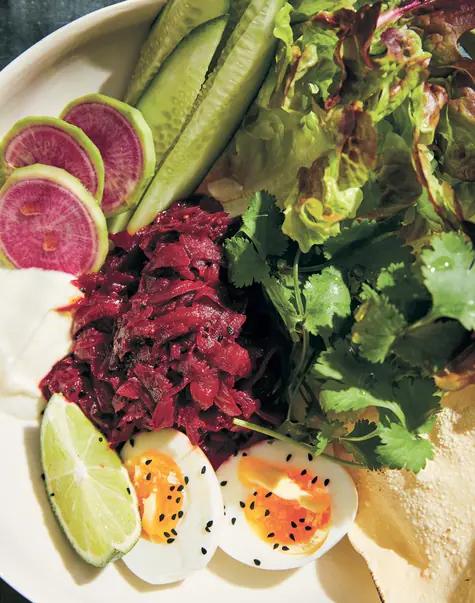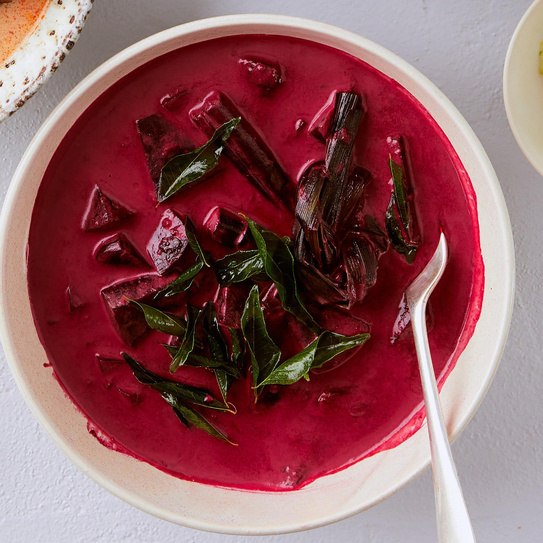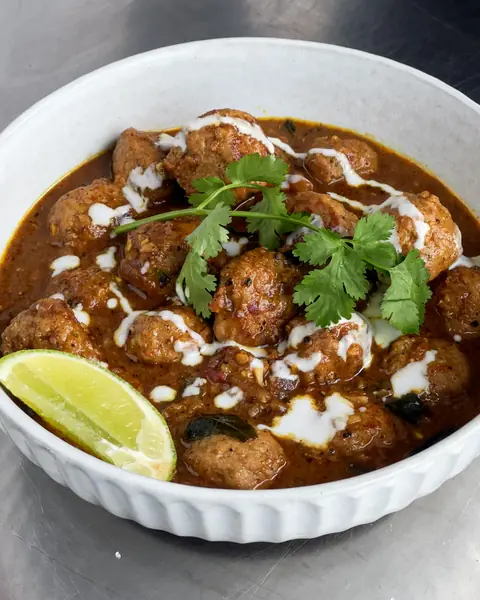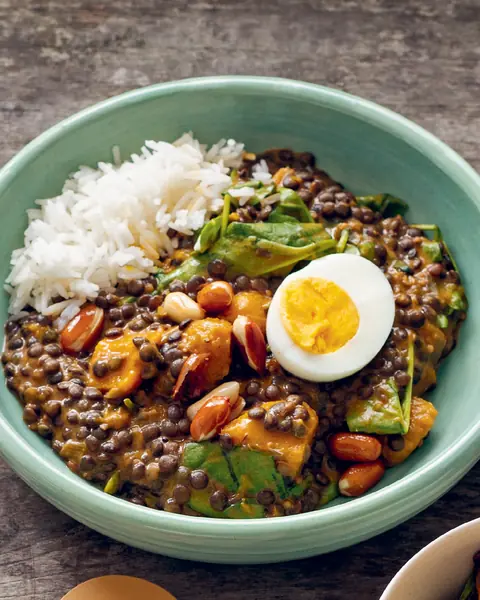
This is one of the simplest dishes on the menu at Lankan Filling Station and a surprising favourite with our customers, many of whom don’t usually like cabbage. I have a special fondness for this vegetable, and this is a great way to use it. The ingredients are traditional but the way it’s cooked is not; the ghee and wok cooking give it a richness and smokiness you wouldn’t find in a more conventional mallung.
Ingredients 8
Your new home
for cooking
Turn your recipe chaos into a plan for the week.
Browse 1000+ inspiring creator recipes
Unlimited recipe import from social media, blogs and more
Generate shopping lists and meal plans in seconds with AI
Method 3
Melt the in a wok or wide-based frying pan over a high heat, add the and and cook for a minute or so until the seeds start to pop and the leaves are fried.
Add the , season generously with salt flakes and black pepper and give everything a good mix. Cook, stirring, for 1–2 minutes, then add the and cook for another minute. While you need to keep the cabbage moving in the high heat of the wok, allow for some moments of stillness to encourage a little char.
Add the and taste again for seasoning, then cook for another 2–3 minutes until the has wilted but still has a little crunch. This dish will be dry, the flavour a little buttery with hints of smoky char, rounded out by the soft sweetness of the coconut. Serve hot or at room temperature.

O Tama Carey's tips
Fresh grated coconut comes from the flesh of a mature coconut and is used to make sambols and sweets and added to curries as a thickener. Scraping coconuts for your own home cooking sounds admirable but you will need the right tools, a good supply of coconuts and more than a little patience. Luckily in this modern world it’s not difficult to find frozen.