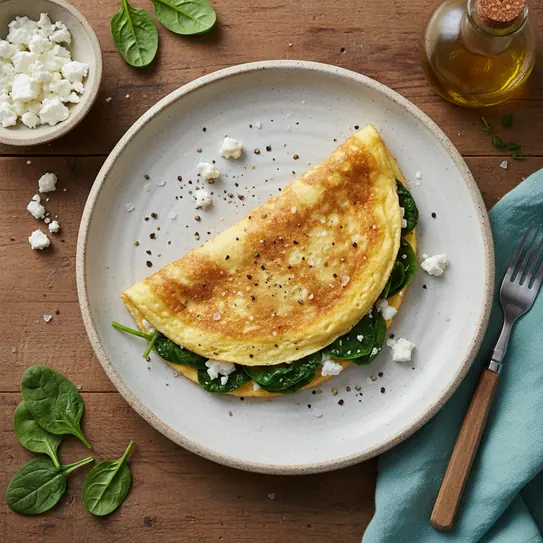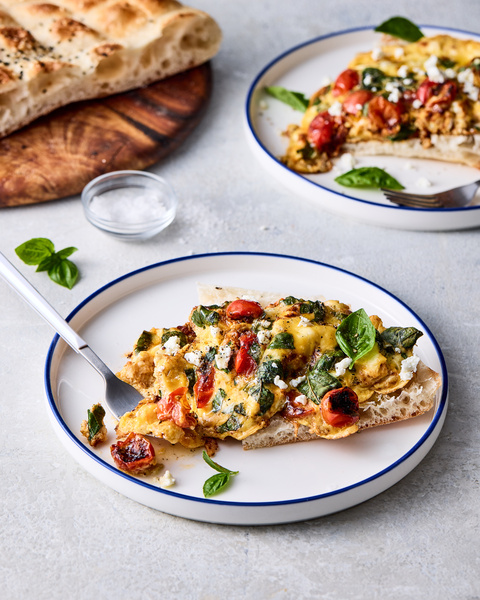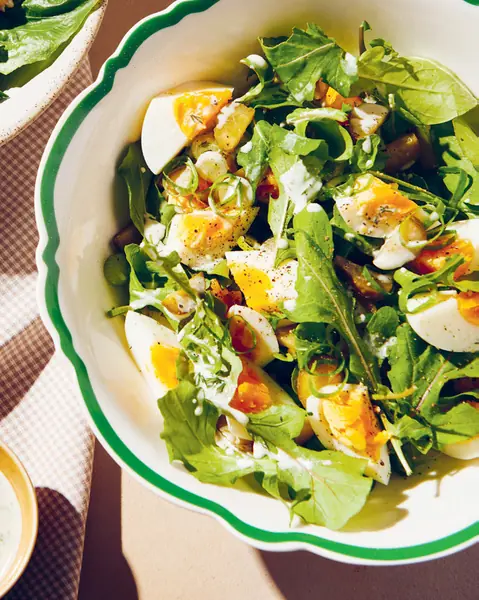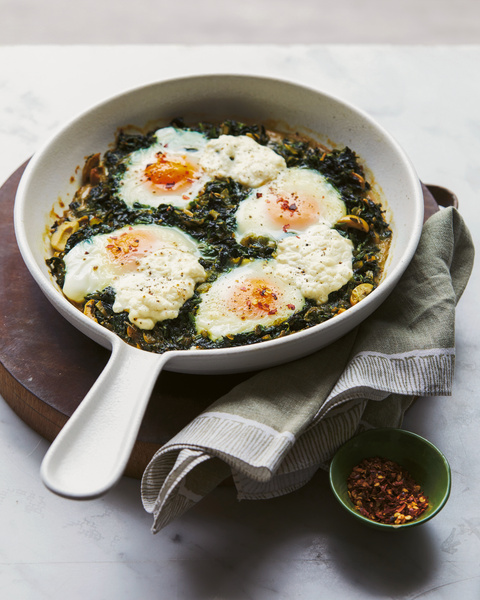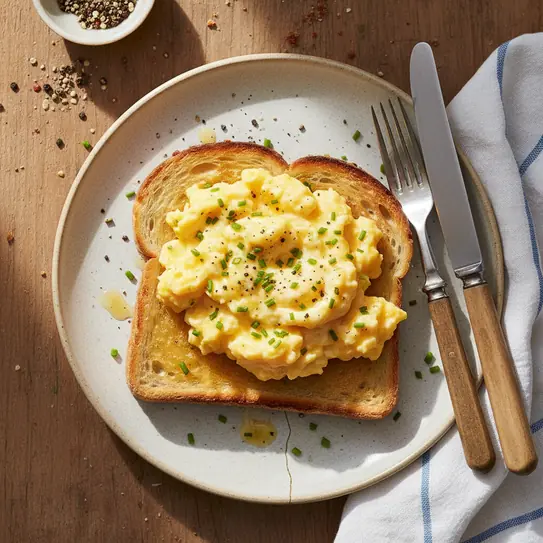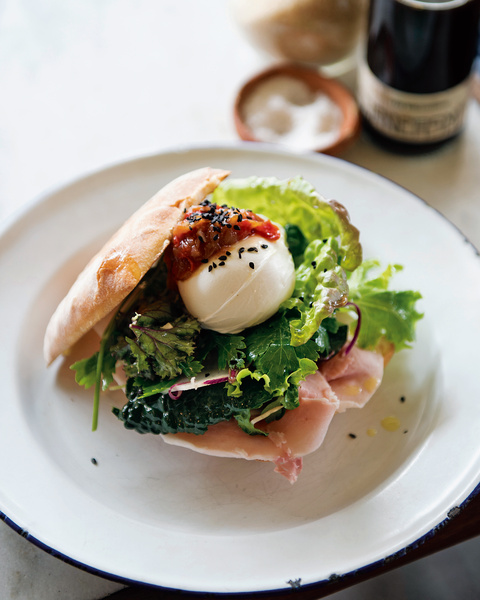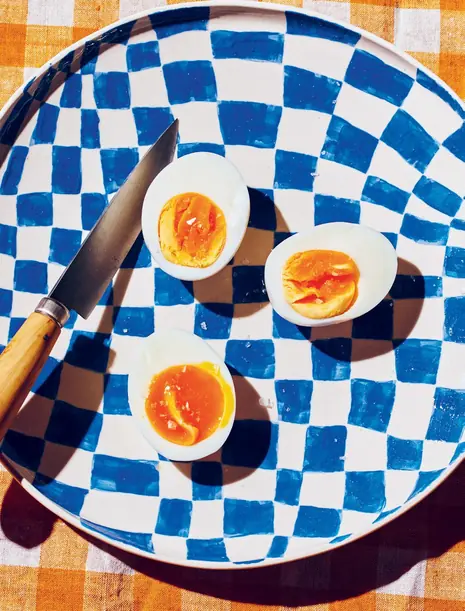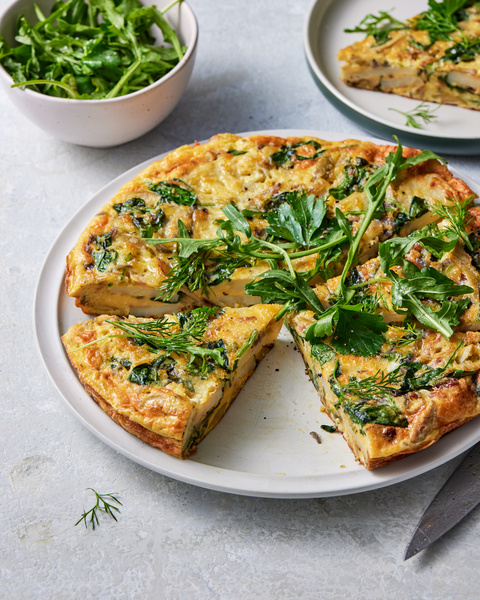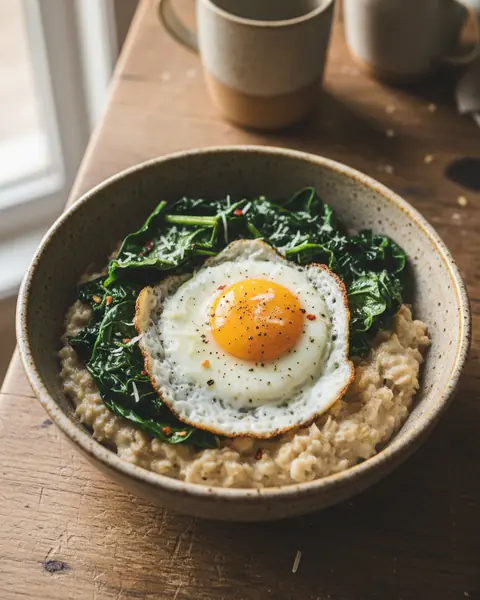
A classic folded omelette is one of those simple dishes that can feel surprisingly tricky to master — but with a little guidance and a few clever tricks, it’s a recipe you’ll never regret learning. Light, tender and just-set, a good omelette is all about simplicity, timing and gentle technique. Once you’ve got the basics down, it becomes endlessly customisable — think melty cheddar, nutty gruyère, or soft, tangy goat’s cheese folded through, along with a scattering of fresh herbs like chives, parsley, basil or even a little dill or tarragon. Whether you’re after a quick breakfast, an elegant lunch or a late-night supper, this is the kind of recipe that always delivers.
Ingredients 7
Your new home
for cooking
Turn your recipe chaos into a plan for the week.
Browse 1000+ inspiring creator recipes
Unlimited recipe import from social media, blogs and more
Generate shopping lists and meal plans in seconds with AI
Method 7
Combine the , , , and pepper in a bowl and use a fork to whisk until well blended but not frothy.
Preheat a 15-20 cm non-stick frying pan over medium-low heat for 2 minutes or until hot.
Add the and swirl the pan until it melts, coats the base of the pan and starts to sizzle.
Add the and allow to cook until they start to set. Use a spatula to gently push the set egg from the outside towards the centre and then swirling the pan so the unset egg replaces it around the outside of the pan.
When the is about 75% set, stop stirring and sprinkle the top of the omelette with the and . Cook for another 1-2 minutes or until the cheese has just melted and the egg still looks slightly wet/creamy.
Use the spatula to gently fold one third of the omelette over on itself and then fold the opposite side over so the omelette is folded like a business letter.
Carefully slide the omelette onto a serving plate. Sprinkle with a little extra or parsley and serve immediately.

BakeClub's tips
* Traditionally a folded omelette is served with the open side down - for looks but also so that it stays folded - but if it is easier to leave it facing upwards that is fine.
* Don't skip adding the salt - it not only enhances the flavour of your omelette, but it also tenderises the egg protein and will help your omelette stay moist.
* Filling options: A classic omelette typically includes just a light sprinkle of grated semi-soft cheese like cheddar — if any filling at all — but there’s plenty of room to get creative. You can try crumbled soft goat’s or sheep’s milk cheese, parmesan, pecorino, or even a handful of sautéed, roasted or char-grilled vegetables such as mushrooms, zucchini or eggplant. Fresh baby spinach or rocket leaves also work beautifully. The key is not to overdo it — less is definitely more. Aim for about 1/4 to 1/2 cup of filling for a single omelette, adjusting the amount depending on the strength of flavour (for example, a little parmesan goes a long way, while a milder cheese like Swiss may need a bit more).
* If you’re using a hard cheese like parmesan or pecorino, keep in mind it won’t melt as quickly as a softer cheese like cheddar. Avoid overcooking the egg while waiting for it to melt — the cheese will soften enough from the residual heat.
Notes
2