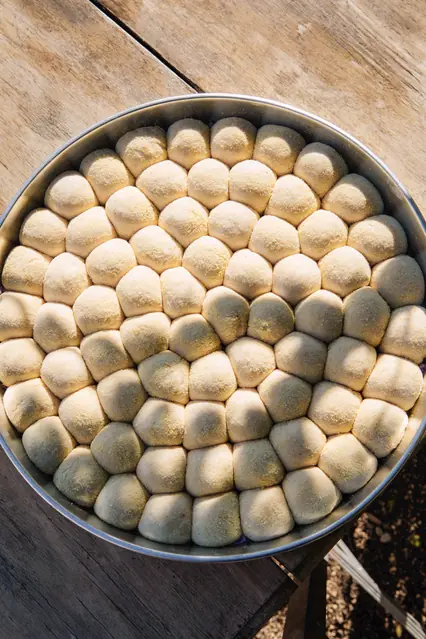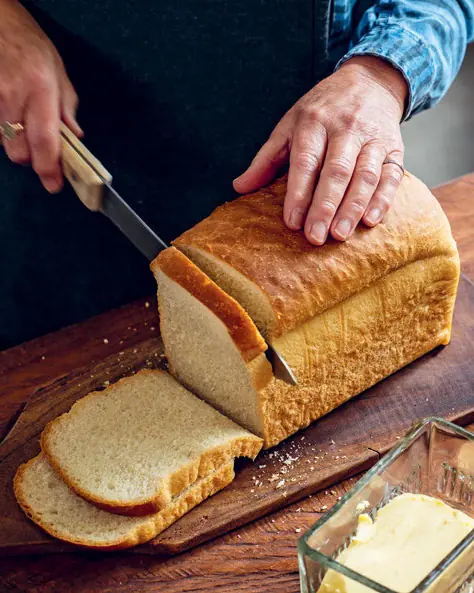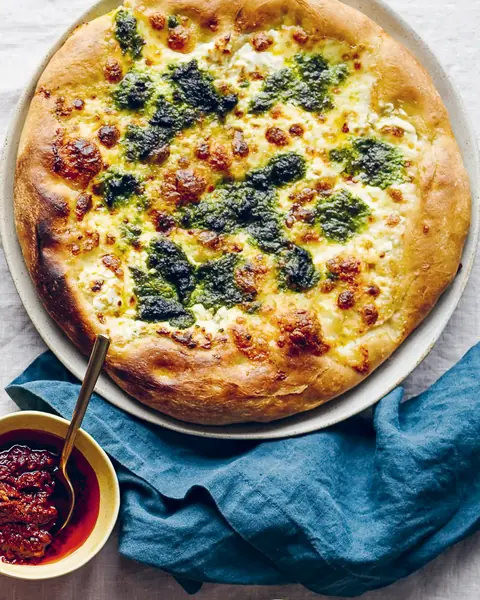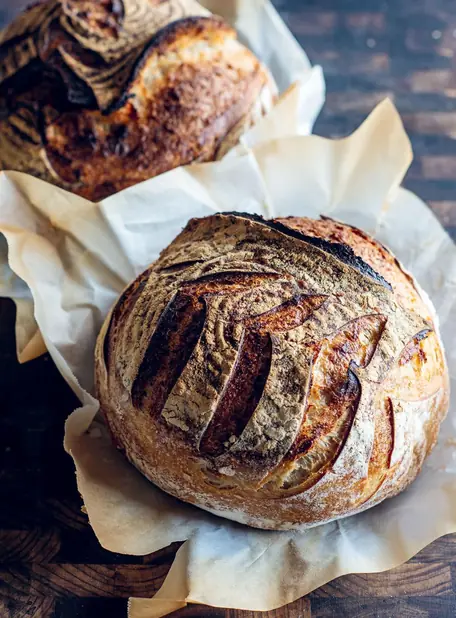
Ħobż is the Maltese word for bread. Essentially a white loaf, oval to round in shape, which takes on a serious crust on the top and sides (except for the sides that crowd up next to other loaves while being baked – although this won’t happen at home unless you’re cooking for the masses). Ftira is the same bread that takes a flatter form: ring-shaped, like a huge bagel. Custom implores you to slice open a ftira and fill it with any typical Maltese toppings (see the suggestions below), then carve it into portions. Both ftira and ħobż can be made with the same dough, taking different shapes just before baking. This is a no-knead recipe without the usual knocking back, and a gentle hand is required. I find it best to use a cast-iron pot for ħobż to keep its form high and help those critical crusty edges materialise.
Ingredients 6
Cheats Starter
Dough
Your new home
for cooking
Turn your recipe chaos into a plan for the week.
Browse 1000+ inspiring creator recipes
Unlimited recipe import from social media, blogs and more
Generate shopping lists and meal plans in seconds with AI
Method 7
Cheats Starter
Make the starter 8 hours ahead (you could mix it just before going to bed to prove overnight). Combine the , and in a large bowl and stir. Cover with plastic wrap and leave at room temperature for 8 hours. If in a very warm environment, place in the fridge for 10 hours.
Dough
Add the , , , , and to the starter and stir with a fork to begin with. Swap to a wooden spoon and form the dough into a ball. Cover with a tea towel (dish towel) and leave in a warm place for 30 minutes.
Add a good sprinkle of around the edges of the dough and use a spoon or flexible spatula to loosen the dough from the bowl. Use your hands to gently fold the dough in on itself 10 times in the bowl. The dough will feel sticky at first, but will become easier to handle as some of the flour is incorporated. Leave to rest for another 30 minutes.
Sprinkle more around the edges and ease the dough from the sides of the bowl. Repeat the 10 folds and allow to rest another 30 minutes.
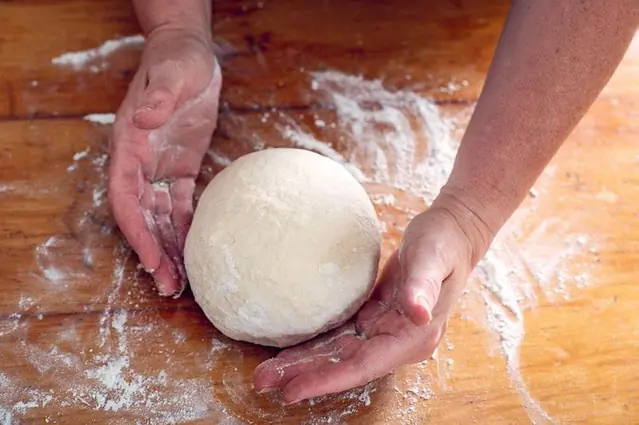
Dust a good amount of over baking paper. Let the dough gently drop onto the paper and gently form a dome shape by carefully cupping your hands and tucking under the edges. You don’t want to knock air out of the dough. If making ħobż, cover the dough with a tea towel. If making ftira, form a hole in the middle of the dough using the base of a glass. Leave the glass in the hole, then drape the tea towel (dish towel) over the glass. For both styles of loaf, leave for 25 minutes, until it begins to rise.
Preheat the oven to 250°C (480°F). Heat a cast-iron pot in the oven if making ħobż, or a pizza stone or baking tray if making ftira. Slide the loaf with paper on the stone (ftira) or into the hot pot (ħobż). Be as careful as possible not to knock the air from the dough. For ftira, work the hole back into the middle of the loaf, exaggerating the size of the hole as it will close up in the oven.
Spray your loaf with a mist or sprinkles of , which will help it to develop a crust. Bake in the hot oven for 35 minutes (ftira) or 40 minutes (ħobż), until dark brown on the outside and sounding hollow when tapped. Let the loaf cool completely on a wire rack.

Simon Bajada's tips
Here are some typical combinations to sandwich in ftira, although you can mix and match at will.
Squashed ripe tomato, Ħbejniet, capers, mint and extra-virgin olive oil
Anchovies, kunserva (tomato paste), extra-virgin olive oil and capers
Kunserva, red onion, tinned tuna, giardiniera (pickled vegetables), olives, capers and shredded lettuce