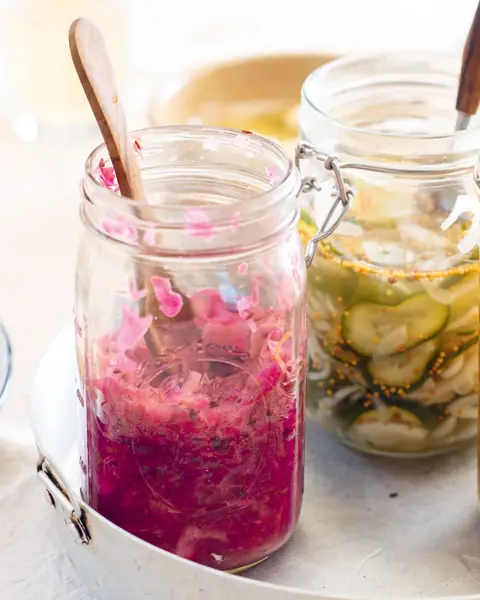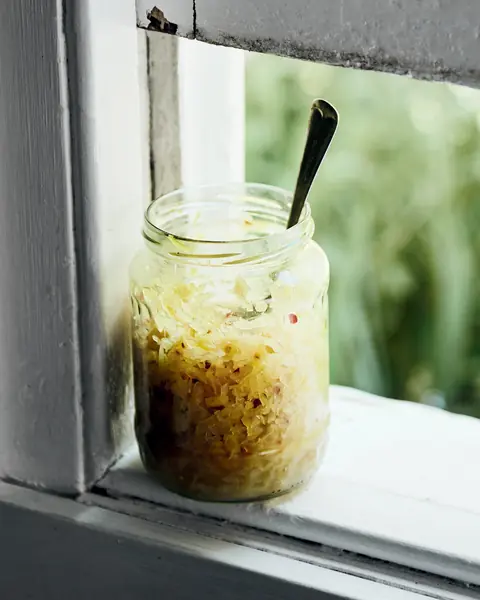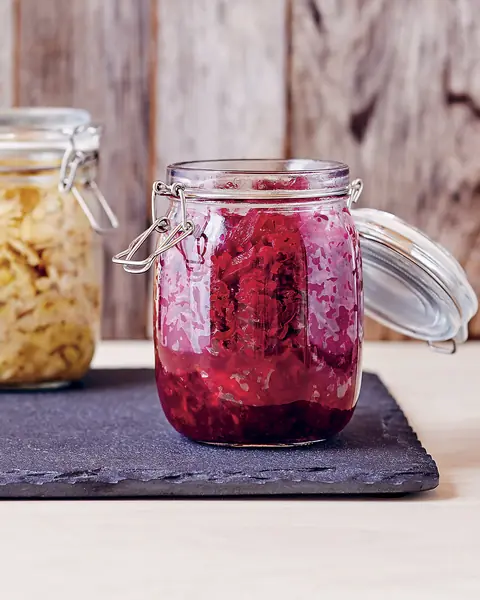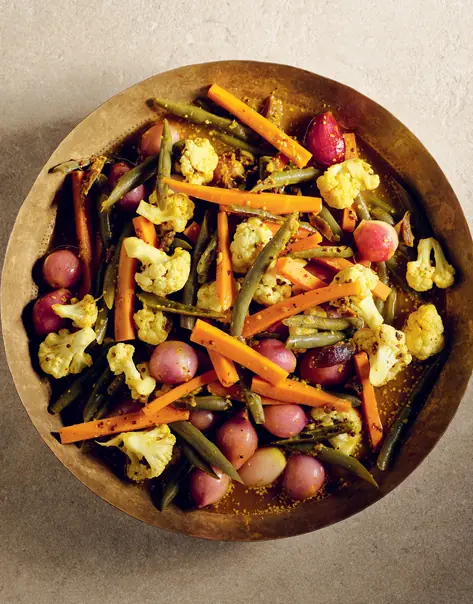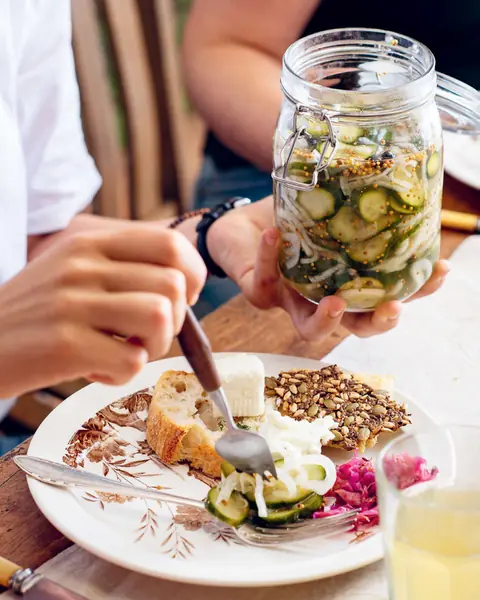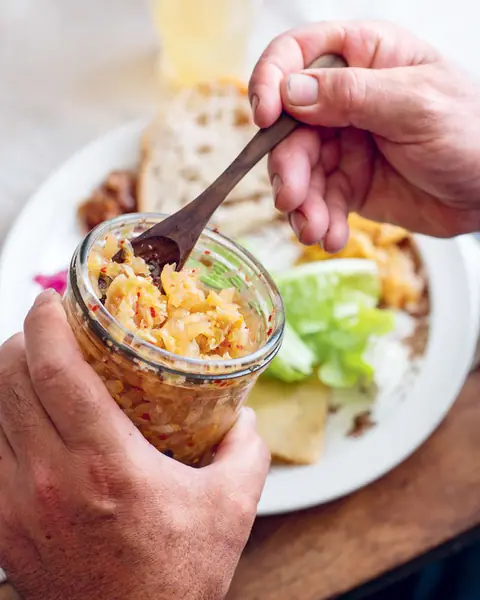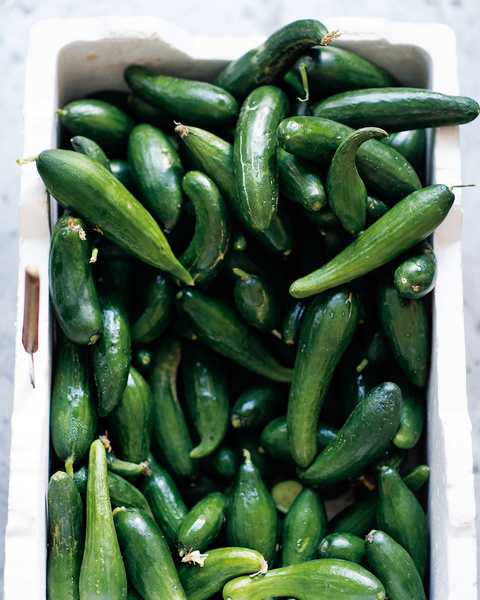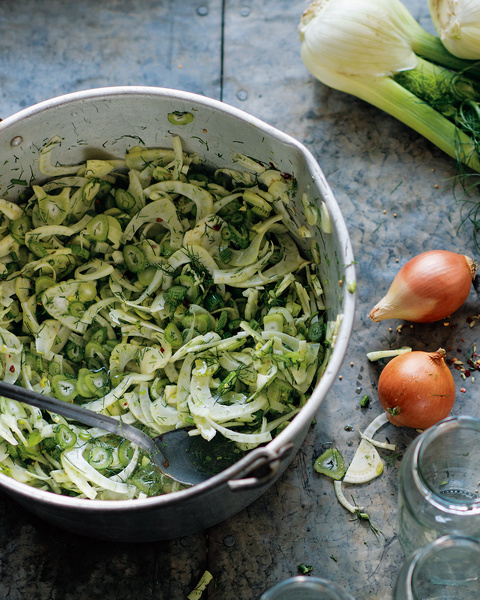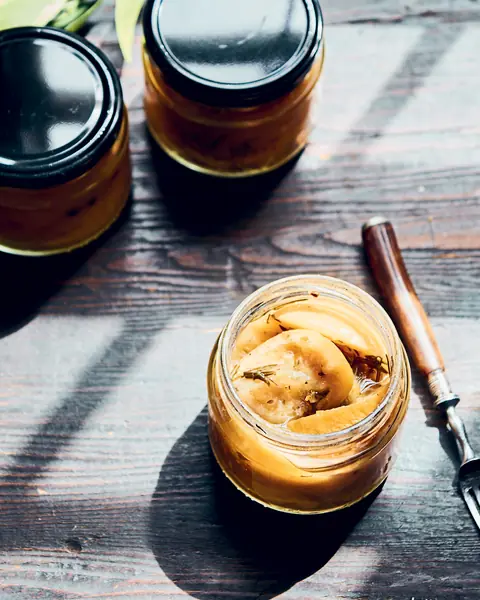
These fermented carrots are great tossed through a salad, and are surprisingly sweet. If you're ever going to get a kid to eat fermented vegetables, this would be the place to start.
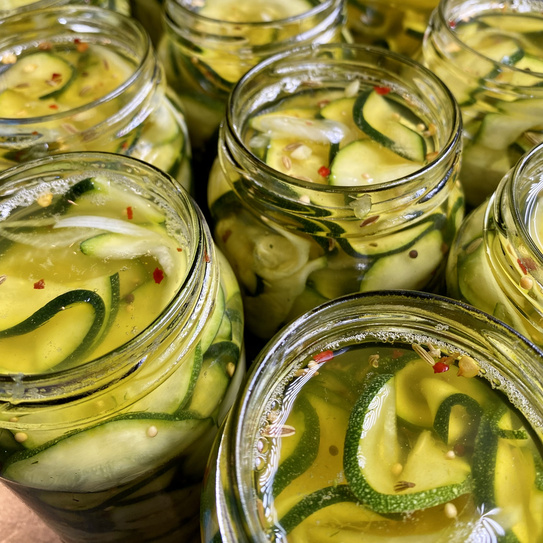
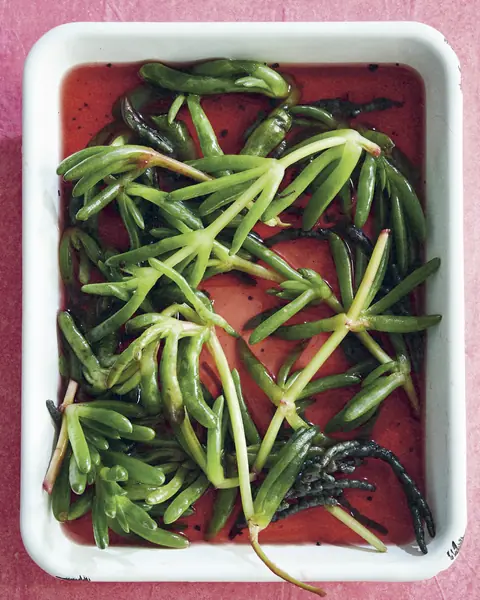
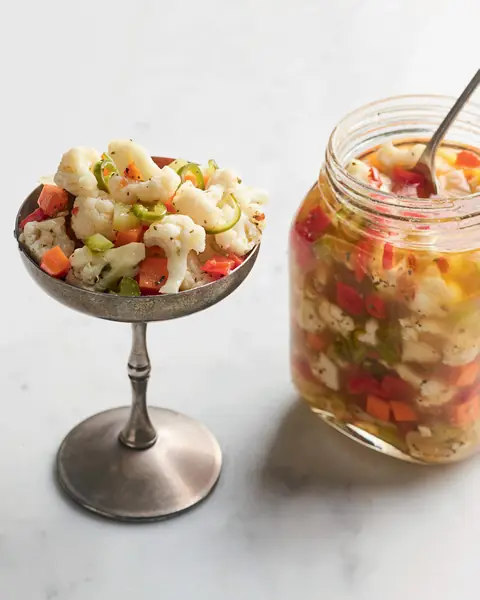
This recipe is a basic fermenting recipe for all sorts of vegetables. Try celery, green beans, green tomatoes, cauliflower, chillies, and radishes.
Ingredients 6
For The Brine
For The Carrot Mix
Your new home
for cooking
Turn your recipe chaos into a plan for the week.
Browse 1000+ inspiring creator recipes
Unlimited recipe import from social media, blogs and more
Generate shopping lists and meal plans in seconds with AI
Method 7
To Make The Brine
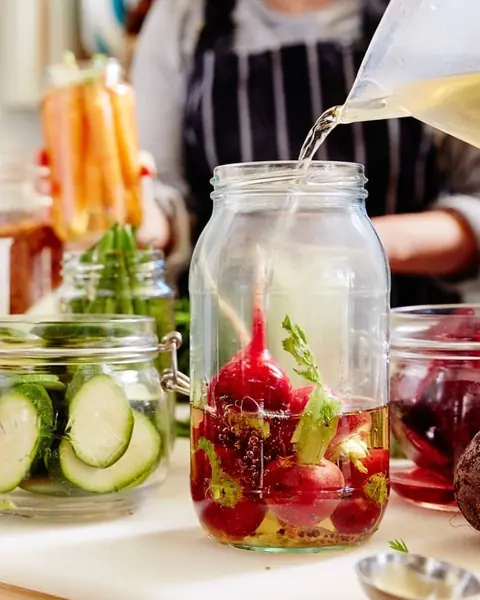
Make a brine by adding the to 500 ml in a small saucepan. Bring to the boil, then remove from the heat and leave to cool to room temperature.
Meanwhile wash your jars. You'll need about 4 x 300ml glass jars with metal lids. Allow them to air dry.
To Make The Carrot Mix
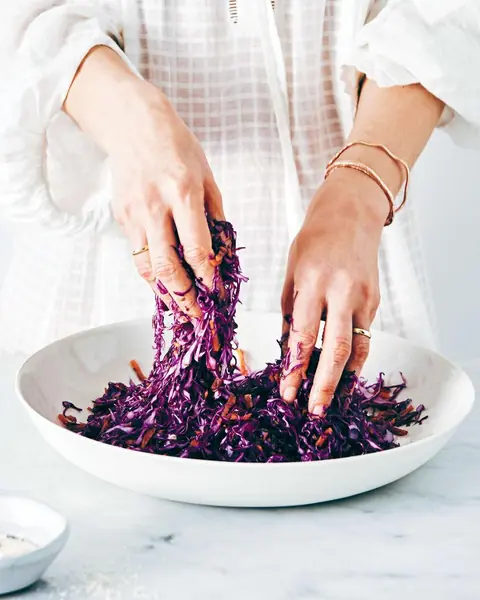
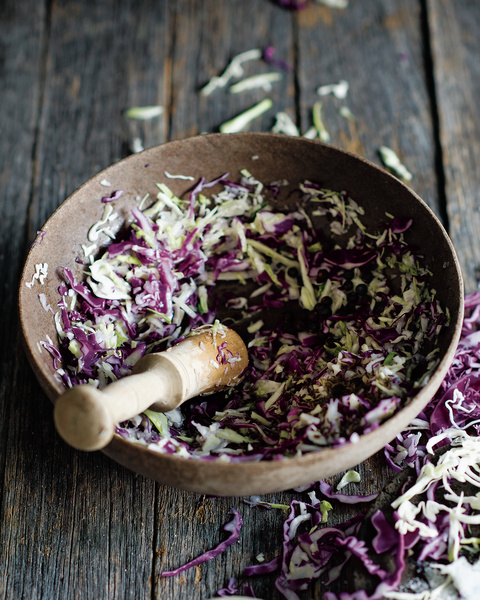
Thinly slice the and , and finely grate the and . Mix together in a medium bowl.
Pack the carrot mixture into the cooled jars, then fill the jars with the brine until the vegetables are completely covered. Wipe the rims of the jars with paper towel and seal.
To Ferment
Let the jars sit at room temperature, out of direct sunlight, for 2-4 days. During this time, the lids will start to pop up, which is a sign of the fermenting process.
After 2 days, open one of the jars and taste a little bit to see if it is fermented to your taste. The longer you leave the jars out of the fridge, the stronger the fermented taste will be.
When the taste to your liking, transfer the jars to the fridge and leave for a week before using. Refrigerated, the fermented carrots will keep for up to 6 months.

Cornersmith's tips
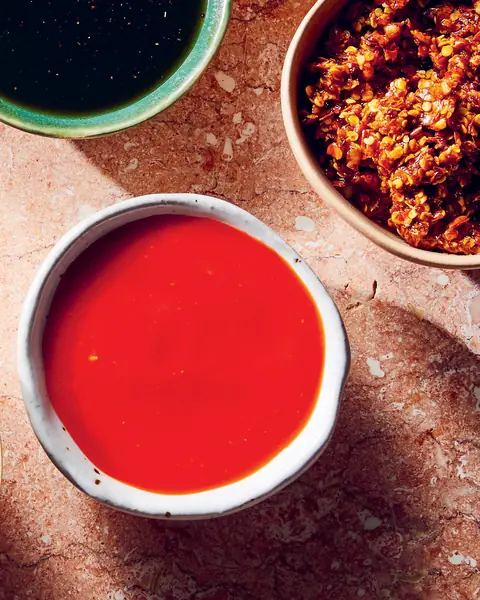
Don't throw away the brine after you've eaten your carrots. It's like liquid gold! Add a splash to a soup that needs a lift in flavour, use it in a salad dressing, toss a few tablespoons through buckwheat noodles with sesame oil and chilli paste. You can also have a few spoonfuls of it as a way to help with digestive issues.