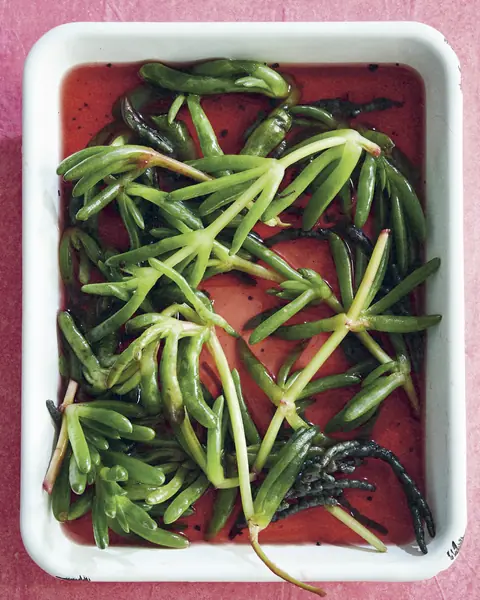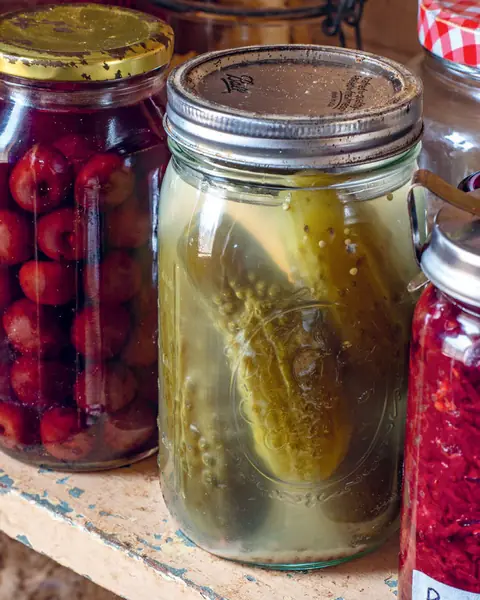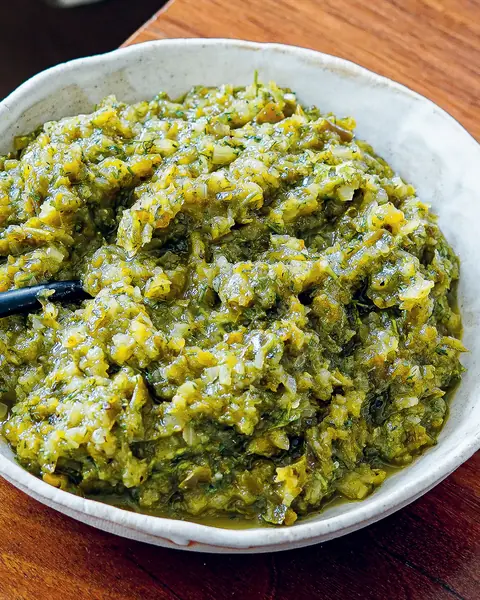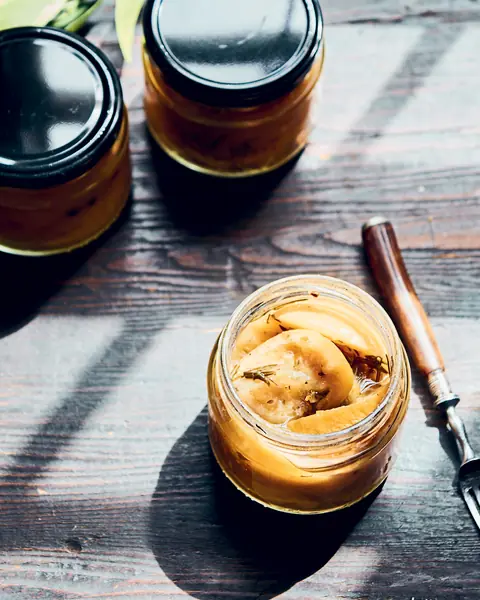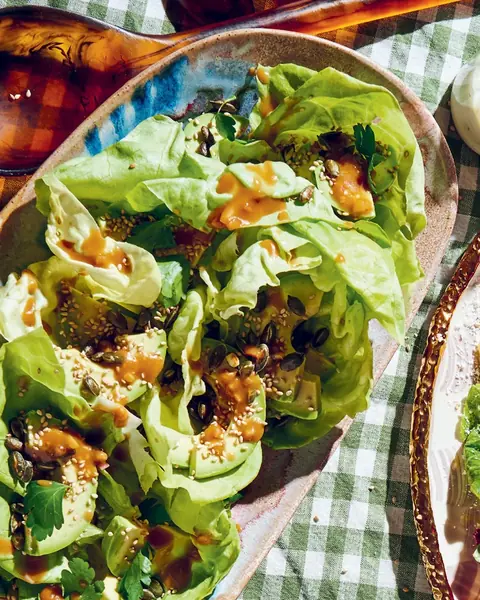
We love nasturtiums in the garden for their abundance of flowers and foliage. They provide green cover on our garden fences and are a great companion plant for our vegetables. Throughout summer we use the leaves and flowers in salads and to make nasturtium butter, and in early autumn we rummage through the leaves looking for the seed pods to make capers.
Fills 1 x 300 ml (10 fl oz) jar.
Ingredients 7
Your new home
for cooking
Turn your recipe chaos into a plan for the week.
Browse 1000+ inspiring creator recipes
Unlimited recipe import from social media, blogs and more
Generate shopping lists and meal plans in seconds with AI
Method 4
Go through the nasturtium seeds and remove any bits of dried flower, then rinse them to remove any dirt. Put them in a wide-mouthed heatproof jar, around 500 ml (17 fl oz) capacity.
Bring the and to the boil in a small saucepan, stirring to dissolve the salt, then pour the hot brine over the seed pods. Put a cup in the top of the jar to ensure the seeds are completely submerged. Leave at room temperature for 3 days.
Drain the seeds and rinse to remove the excess , then put them in a sterilised 300 ml (10 fl oz) jar, or divide among several smaller jars. Bring the , , and to a simmer in a small saucepan, stirring to dissolve the sugar, then pour the liquor over the seeds, including the bay and thyme. Seal the jar and turn upside down to create a vacuum.
Store the unopened jar in the pantry for up to 12 months. Refrigerate after opening and use within 3 months.

Urbanstead's tips
The nasturtium seed pods grow under the leaves in clusters of three. Make sure you pick young seeds that are still a little soft; once they get hard and yellow they are no good. Once pickled, you can use nasturtium capers the same way you’d use real capers. They’re great chopped into salads, stir-fries, pasta sauces or dressings. A little goes a long way.