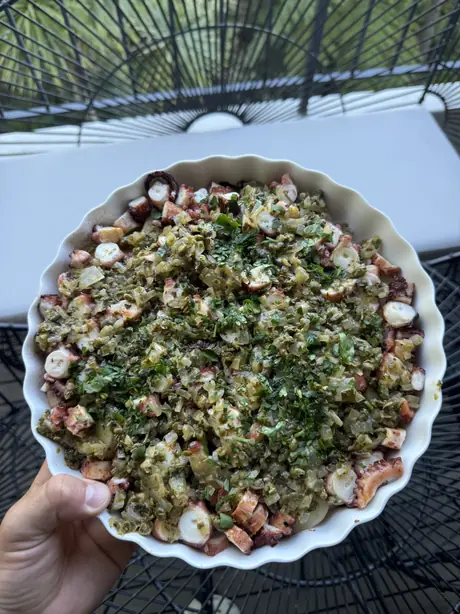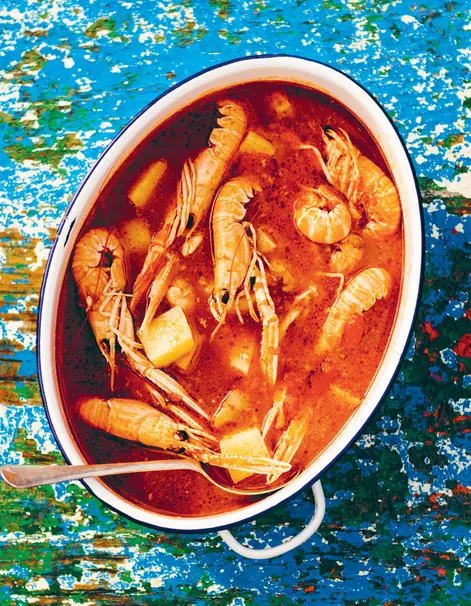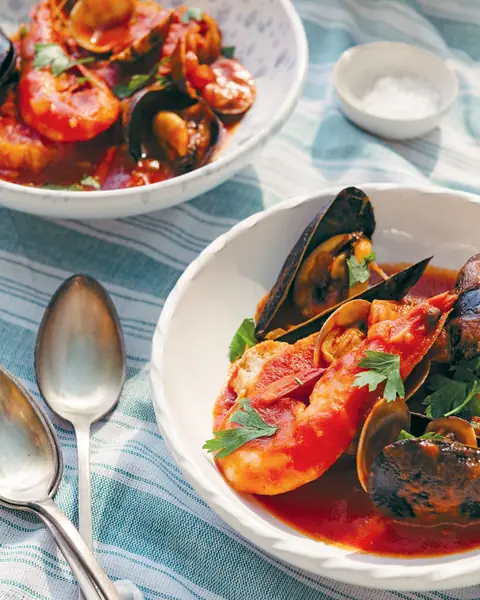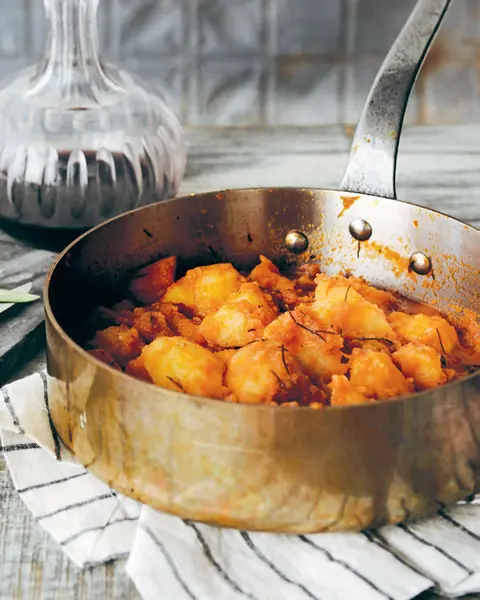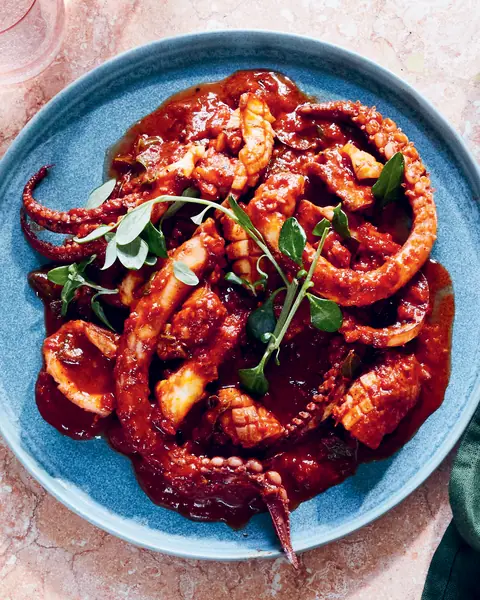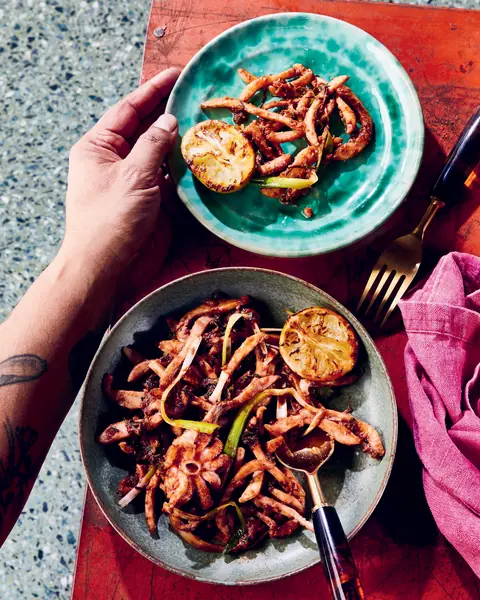
The tricky thing about cooking octopus is making sure it’s tender. There are many, many ways Italians will tell you to cook octopus. Many have their ‘secrets’ to getting it meltingly tender – some include boiling with a wine cork, vinegar, sea water or pummelling the beast to break down the fibres before putting in the pot. Others don’t boil it in water but let it cook in its own juices. A very wise (and guaranteed) tenderiser is to pop the fresh octopus in the freezer the day before you need it (or use a frozen one to begin with). It’s the method I find easiest, and it achieves a beautiful result every time.
The cork tradition is a funny one, with a story that my husband Marco likes to tell. Along the ports of Sicily, it was traditional for freshly caught, whole octopus to be cooked right then and there in enormous, bubbling barrels. To recognise your octopus, a cork was tied to the octopus with a piece of string before going in – the floating cork was also handy for pulling out the right octopus when the time came. Passersby believed the cork in the boiling pots of octopus helped tenderise it, and decided to try the same thing at home. In reality, its usefulness as a tenderiser is a myth (albeit a charming one).
The general rule with octopus is to either cook it for a very brief time (flash searing, for example) or to cook it long enough that it gives way and becomes meltingly soft. You can make this dish with baby octopus too – it is considerably easier to clean and only takes 20 minutes to cook completely. If you have a larger octopus, an hour usually suffices. You can serve this right away, warm, or you can eat it chilled, which is excellent in hot weather.
Ingredients 9
Your new home
for cooking
Turn your recipe chaos into a plan for the week.
Browse 1000+ inspiring creator recipes
Unlimited recipe import from social media, blogs and more
Generate shopping lists and meal plans in seconds with AI
Method 6
Prepare the by first rinsing it under a tap. Feel around the tentacles and make sure they are free of any particles, especially if you have bought it fresh. Remove the eyes and clean the inside of the head thoroughly, but otherwise leave the octopus whole.
Put the in a tall pot with a tight-fitting lid. Pour over 3 tablespoons of and heat gently to infuse the oil for a few minutes. Add the and turn the heat up to medium; cook for 2 minutes and let it colour all over.
Pour over the , bring the liquid to a simmer, then cover and cook over low heat for about 45 minutes. Check for tenderness – a fork pierced through the thickest part should find no resistance (another 10–15 minutes of simmering, covered, may be necessary).
In the meantime, put the in a medium saucepan, fill with cold water to cover and add a good pinch of salt. Bring to the boil and cook over medium heat for 12–15 minutes, or until soft. Drain.
When the is very tender, take it off the heat and leave in the pot until cool enough to handle. Leaving the juices in the pot, drain the octopus on paper towel. If you’ve got a large octopus, you may need to peel it – the ‘skin’ should come off very easily, just by rubbing or scraping it gently. Small ones won’t need this treatment.
Chop it into 5 cm (2 in) pieces. Return the to the juices in the pot, along with the . Add the and plus the rest of the , and season with salt and freshly ground black pepper. Toss to combine and serve warm or cold with plenty of bread to mop up the sauce.

Emiko Davies's tips
If planning to serve leftovers cold the next day, drain the stew of its juices and keep them separate in the fridge. When you want to serve the octopus, think of it more as a salad. Some crunchy slices of celery or some black olives make nice additions. Reheat the reserved juices just until they become liquid again and add a spoonful to dress the octopus, along with some olive oil and a little extra lemon juice. Toss together.