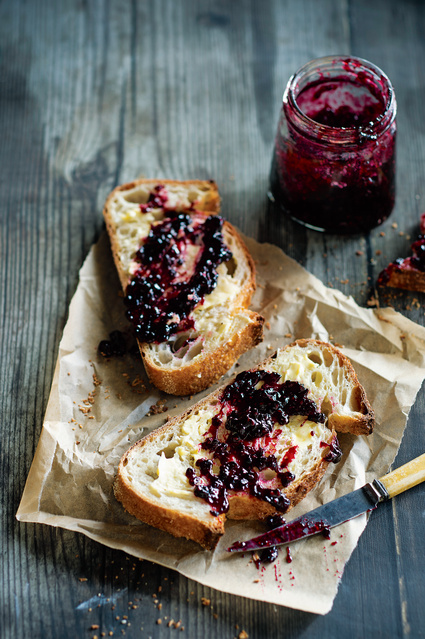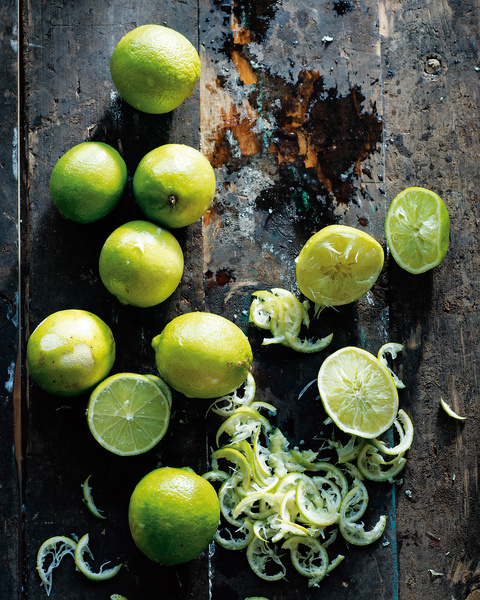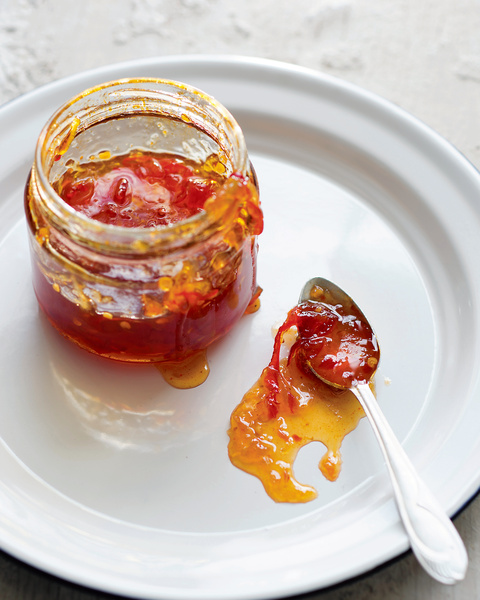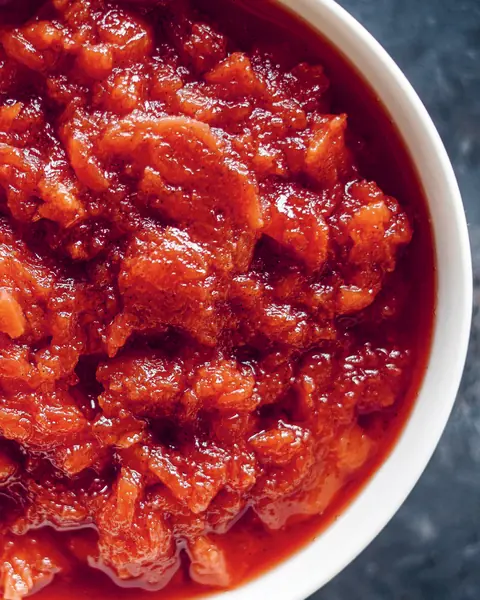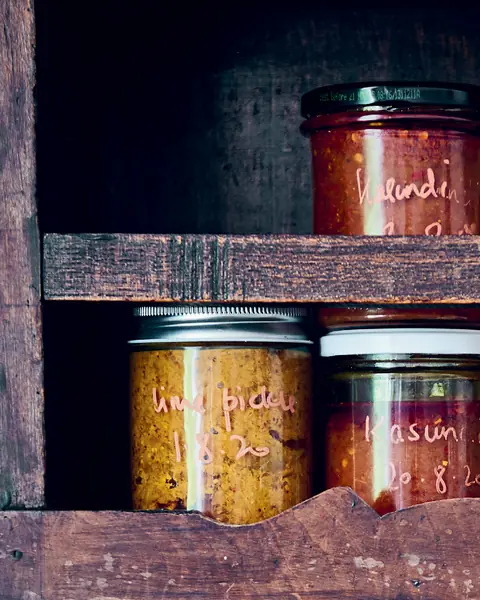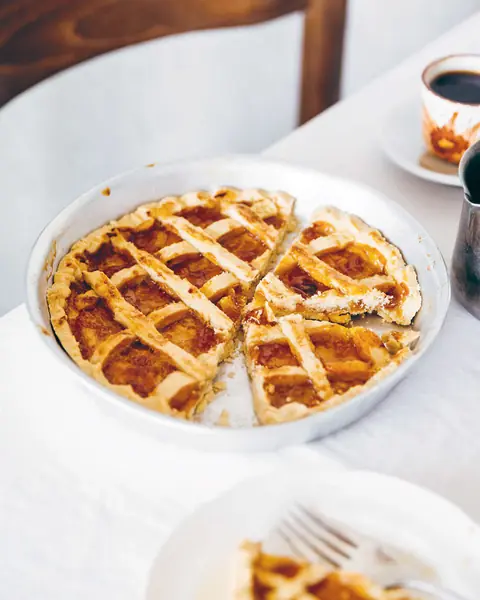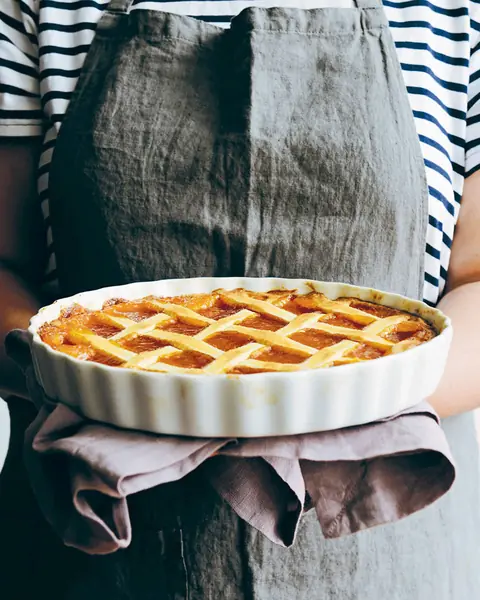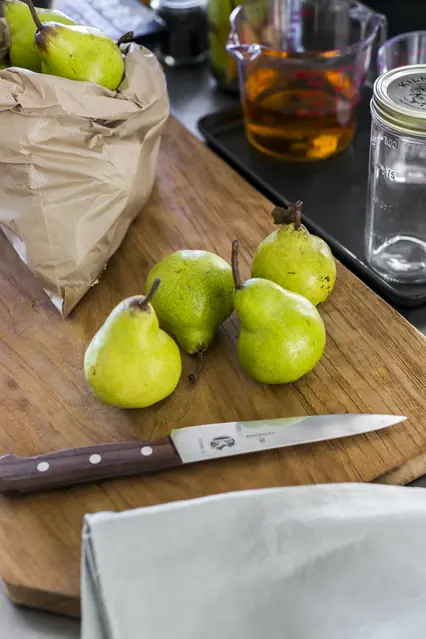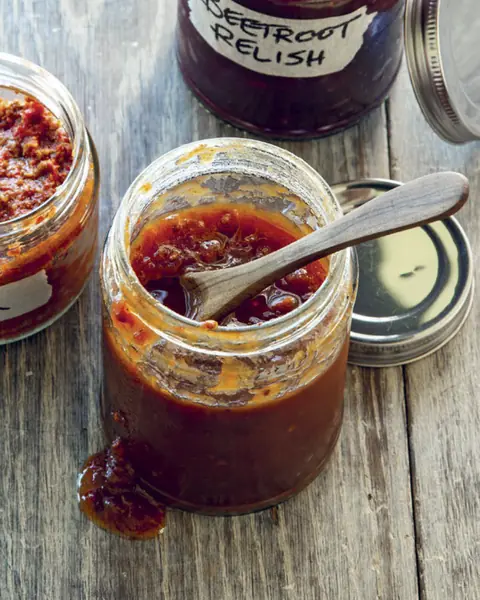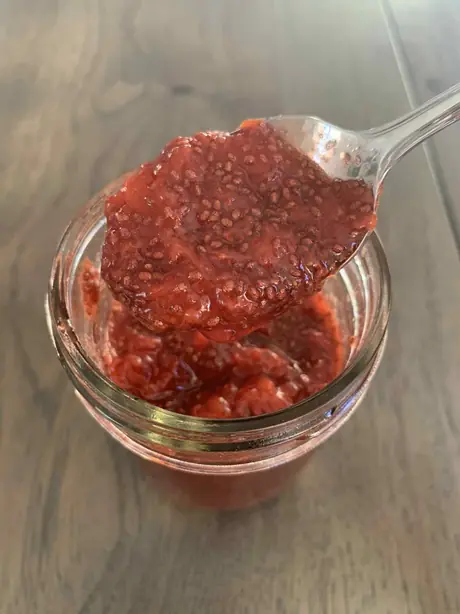
A fresh, light and tangy jam that is perfect to make this summer. Feel free to switch the peaches for nectarines or apricots and if you don't have limes use lemons or oranges. Delicious on toast, croissants or pikelets, and also lovely in spongecakes and jam drops!
Makes 4-5 x 300ml jars.
Ingredients 4
Your new home
for cooking
Turn your recipe chaos into a plan for the week.
Browse 1000+ inspiring creator recipes
Unlimited recipe import from social media, blogs and more
Generate shopping lists and meal plans in seconds with AI
Method 8
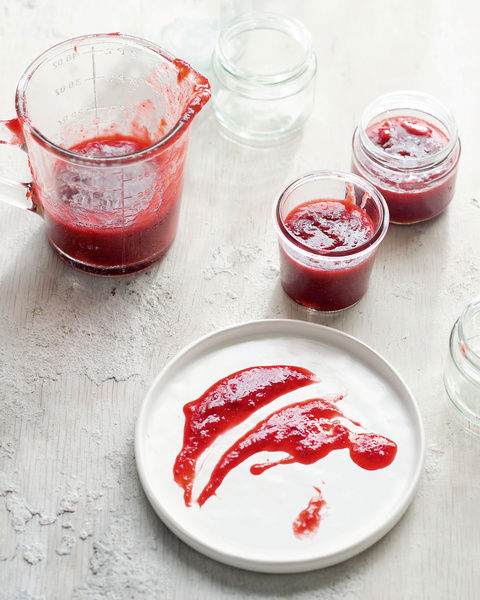
Place two small plates or bowls in the freezer before you start. This will help you check for setting point.
Wash and cut into 2-3cm chunks and put into a jam pan or wide mouthed saucepan with half of the zest, then add to cover. Cook over low heat until peaches are soft and starting to breakdown.
Take off the heat and add juice and , stirring well to dissolve.
Increase the heat and bring to the boil, over medium heat cook the , stirring occasionally, until setting point is reached (see my notes below).
While jam is cooking, sterilise your jars and lids - you'll need 4-5 x 300ml jars. Give jars a good hot soapy wash and rinse well. Put jars in the oven at 110 degrees for 15 minutes. Boil the lids for 5 minutes in a small saucepan, then let air dry.
Once setting point is reached, turn off the heat and add in remaining zest , stirring to combine. Feel free to add a pinch of salt in here if you’re feeling adventurous!
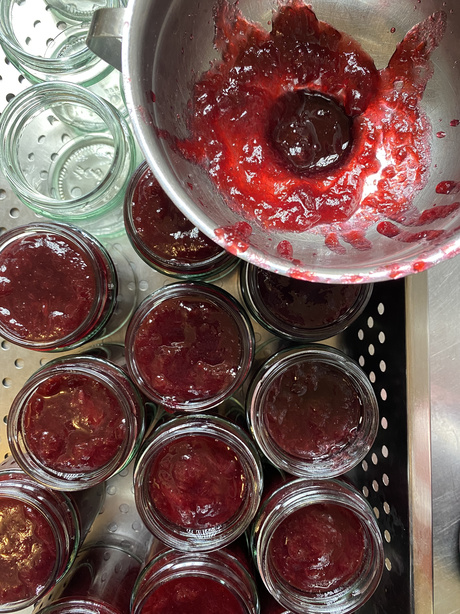
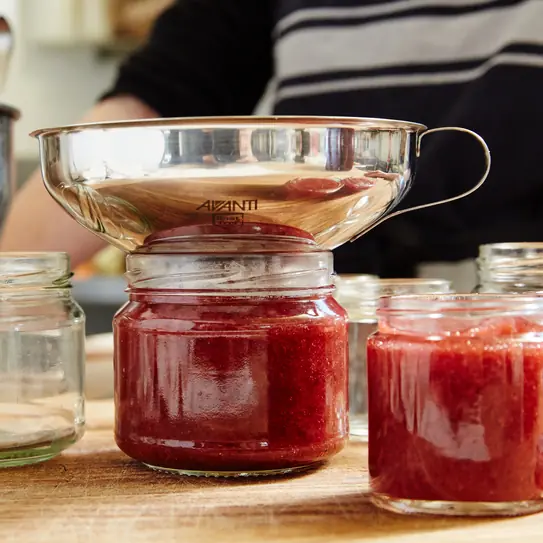
Carefully take hot jars out of the oven and place on the bench. Let cool for a minute and then carefully spoon the hot into the jars, wipe rim with clean paper towel and seal with the lid immediately.
Leave jars to cool. Check lid for the correct seal and then store in a cool dark place for up to 12 months, or heat process to extend the shelf life to 2+ years (see my notes below). Once opened, refrigerate and use within 6-8 weeks.

Cornersmith's tips
To Test for Setting Point: put a tablespoon of jam on the centre of a cold plate. Run your finger through the centre of the jam, if the jam stays parted it is ready.
To Heat Process: Get the biggest pan you have, such as a stock pot - the taller the better - and put it on the stove top. Lay a folded tea towel in the bottom of the pan, then sit your jars on the tea towel, taking care not to cram them in, and keeping them clear of the sides of the pan.
Roughly match the water temperature to the temperature of the jars (to prevent thermal shock) then pour enough water to cover the jars, either completely or at least three-quarters submerged. Bring to the boil over medium heat, then start the heat processing time as indicated in the recipe once boiling.
Once the time is up, the lids should be puffed up and convex. Carefully remove the hot jars from the water with preserving clamps or oven mits and a thick cloth to protect your hands.
Place your jars on the bench top and let them sit overnight. As they cool, a vacuum will form inside each jar and suck down the lid, sealing them securely. Once sealed, the lids should be concave, even if only slightly (lay a pencil across the top of the lid to check). If you have concerns about any of the seals, store them in the fridge and use within a few weeks.