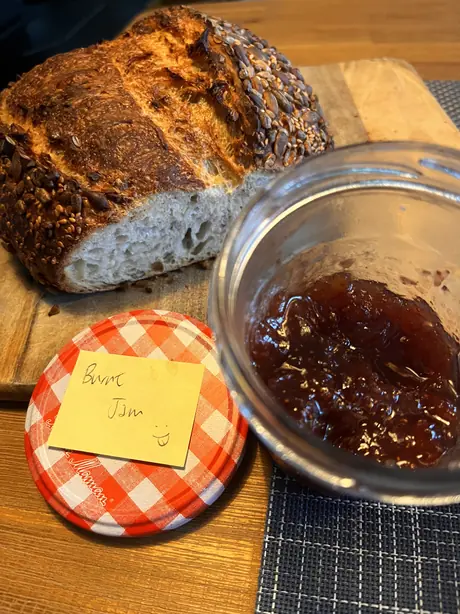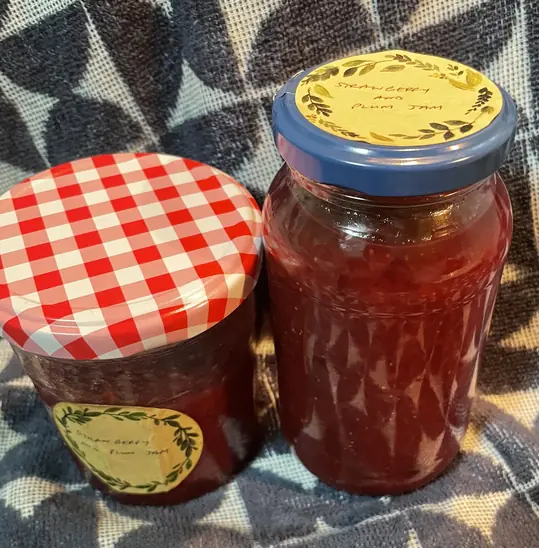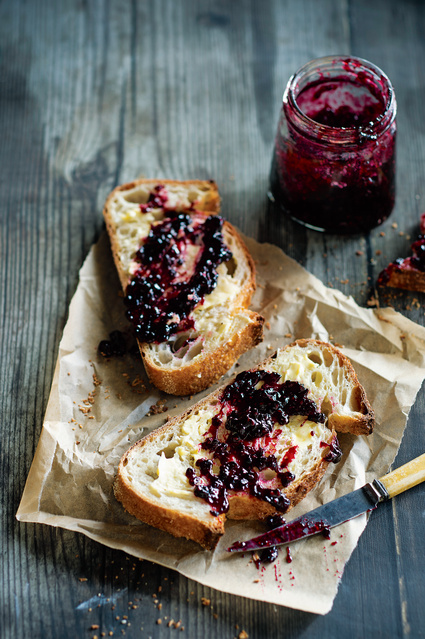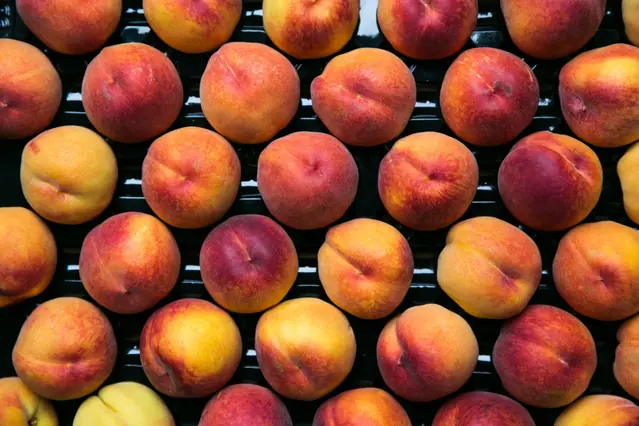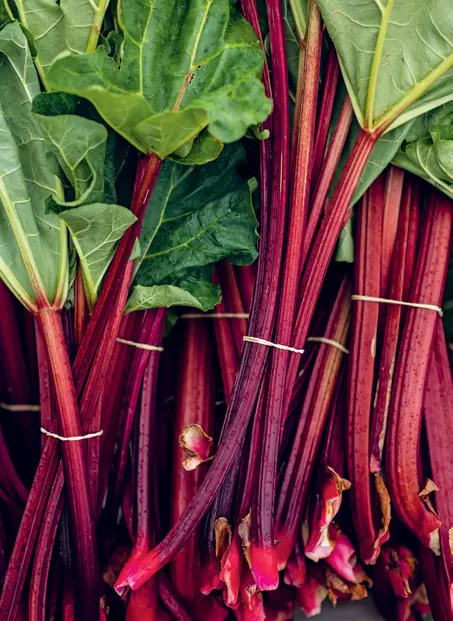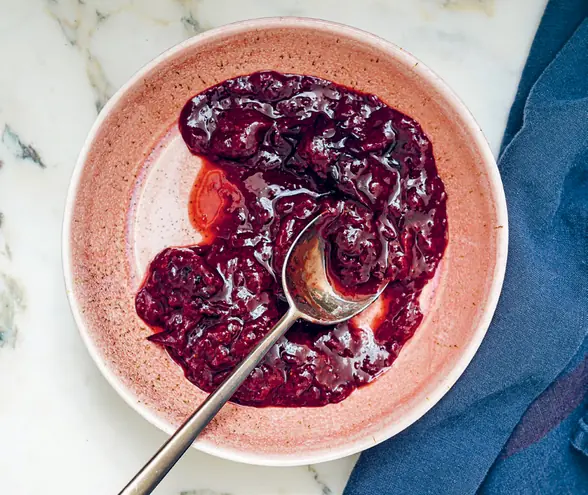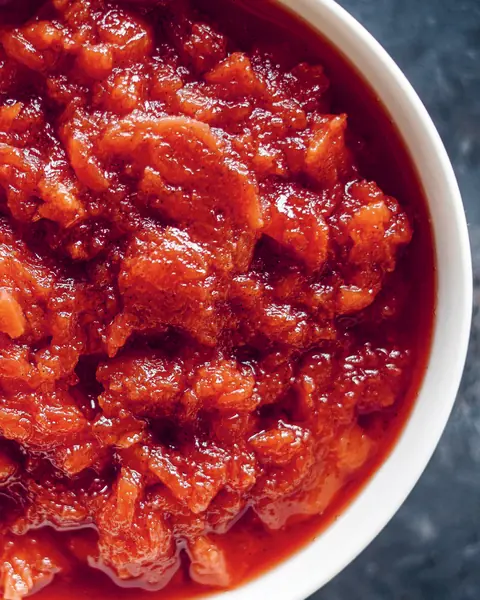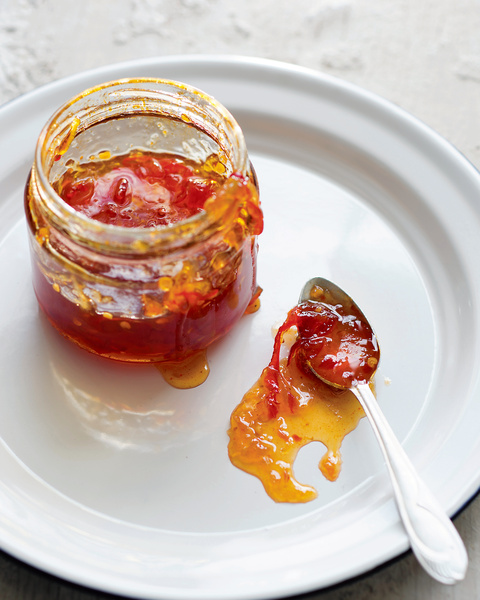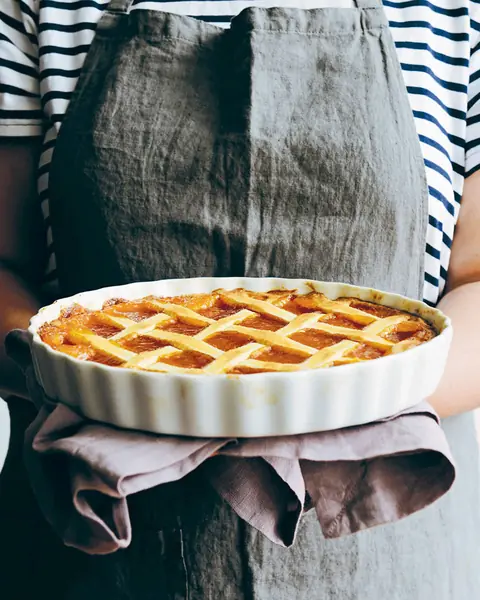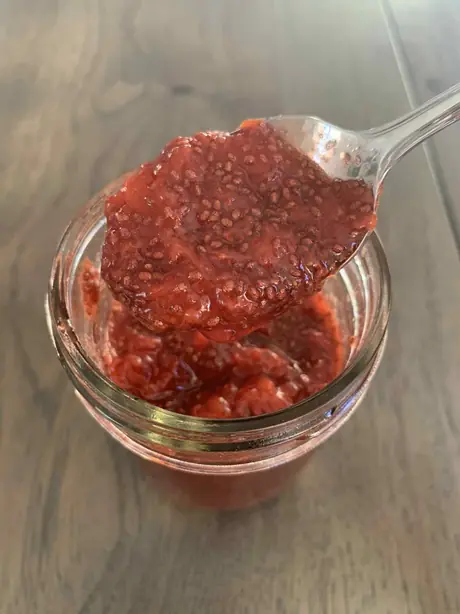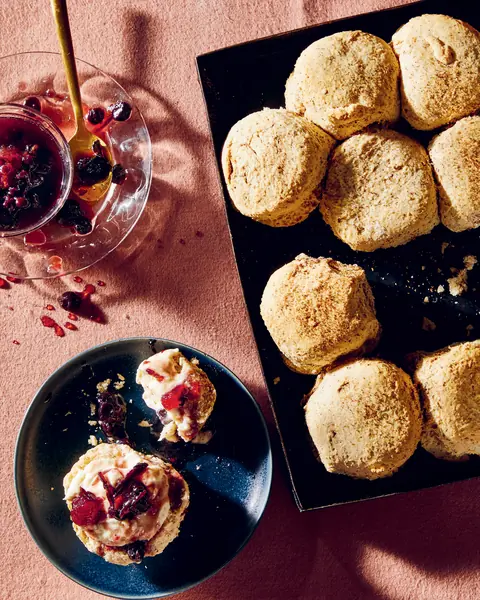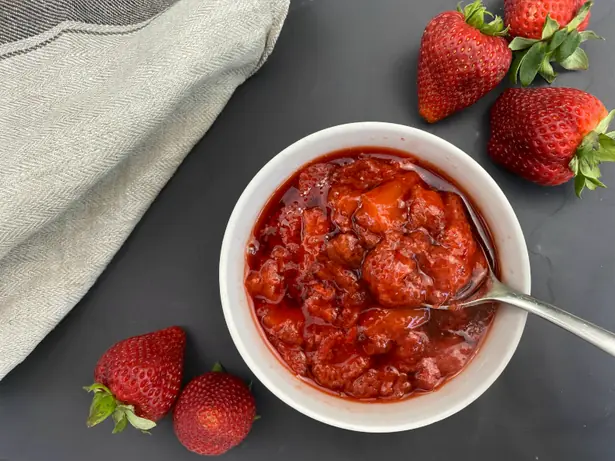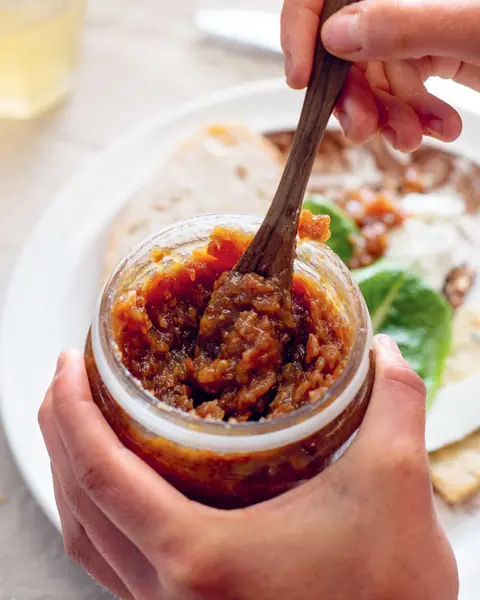
This is a perfect fruity jam for buttered toast, for scones, to use in the middle of a sponge cake, or to make jam drops with. It's a softer-set jam, with a bright colour and a nice sweet but tart flavour.
Ingredients 6
Your new home
for cooking
Turn your recipe chaos into a plan for the week.
Browse 1000+ inspiring creator recipes
Unlimited recipe import from social media, blogs and more
Generate shopping lists and meal plans in seconds with AI
Method 7
Put the , and 250 ml of water into a jam pan or other wide, heavy-based pan. Bring to a simmer over low heat and cook until the fruit is soft and falling apart, about 20-30 minutes.
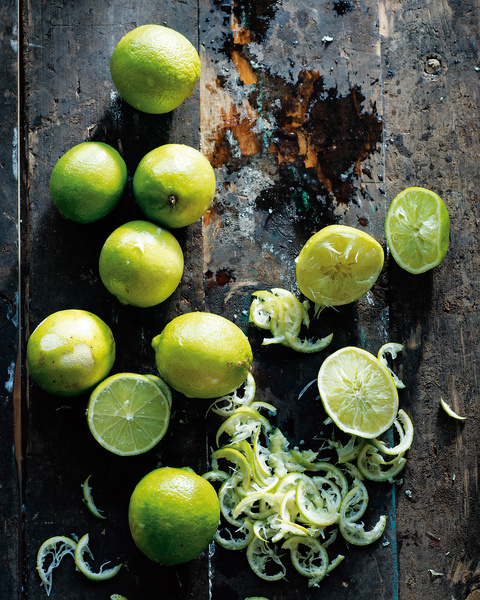
Remove from the heat and leave to cool for a minute or two, then stir in the , and zest. Return to low heat and cook, stirring, until the sugar has completely dissolved.
Turn up the heat and bring to the boil, then boil until setting point is reached, stirring occasionally to prevent it sticking to the bottom of the pan. Keep in mind that as both these fruits are low in pectin, this jam will set like a soft conserve. Start to test for setting point after 20 minutes and then every 5 minutes after that it could take as long as 40 minutes.
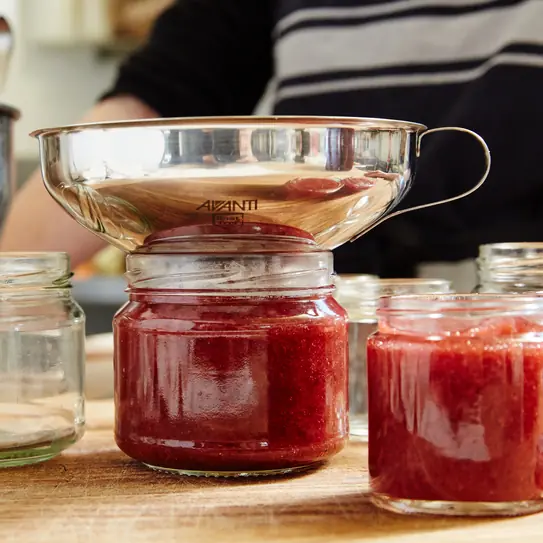
Meanwhile, sterilise your jars. You'll need about 4-5 x 300ml glass jars with metal lids. To sterilise jars give them a wash in hot soapy water and a good rinse, then place them upright in a baking dish in a cold oven. Heat the oven to 110°C and, once it has reached temperature, leave the jars in the oven for about 10–15 mins, or until completely dry, then remove them carefully.
Once you are happy with the set of your jam, turn off the heat and leave to cool for a minute or so, then stir in the . Taste to see if you need more. Remember a little rosewater goes a long way!
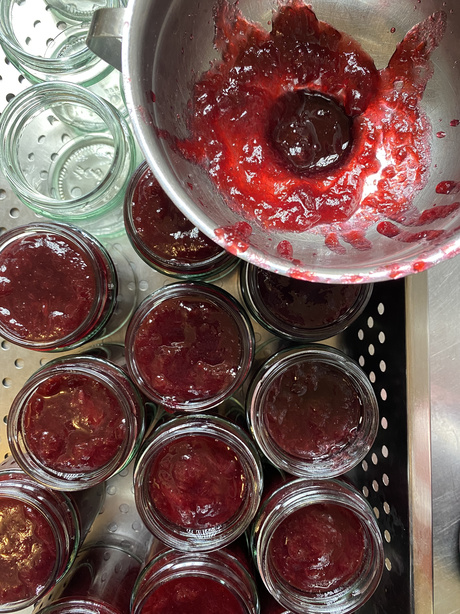
Carefully pour the hot jam into the hot jars, then seal immediately and store in a cool, dark place for up to 6 months. Once open store jam in the fridge for up to 3 months.
Optional Heat Processing To Extend Shelf Life
Get the biggest pan you have, such as a stockpot, and put it on the stovetop. Lay a folded tea towel in the bottom of the pan, then sit your filled, lidded jars on the tea towel. Make sure your lids aren’t on too tight! Pour in enough warm water to cover the jars, either completely or at least until three-quarters submerged. Bring to the boil over medium heat and simmer for 15 minutes. Carefully remove the hot jars from the water using preserving clamps or a very thick cloth. Line your jars up on the benchtop and let them sit overnight. As they cool, a vacuum will form inside each jar and suck down the lid, sealing them securely. These jars can be safely stored in the pantry for up to 2 years. If you have concerns about the seal of any of your jars, store them in the fridge and use their contents within a month or two.

Cornersmith's tips
There are many ways to test for setting point, but we find the easiest method is to put several small saucers in the freezer before you start. Once the sugar is in the pan and your jam has been bubbling away for 20 minutes, get one of the saucers out of the freezer and drop a big spoonful onto it. Let it sit for a minute or so, then run your finger through it: if your finger leaves a clear line that stays put (see the picture) your jam has reached setting point. You can test multiple times, but once you get close to your jam being ready, take it off the heat while you test, as it’s a very fine line between nicely set and over-cooked jam.
If any ‘scum’ has formed on the surface of the jam, either stir it in or remove it with a slotted spoon – it’s perfectly harmless, but some people prefer to skim it off for aesthetic reasons.
Helpful tips
Why do we need to add lemon juice and zest to the jam?
Is it necessary to use rosewater, can I use other flavours
Can I use frozen strawberries and rhubarb for this jam recipe?
Can I use a different type of sugar in this jam recipe
Notes
2