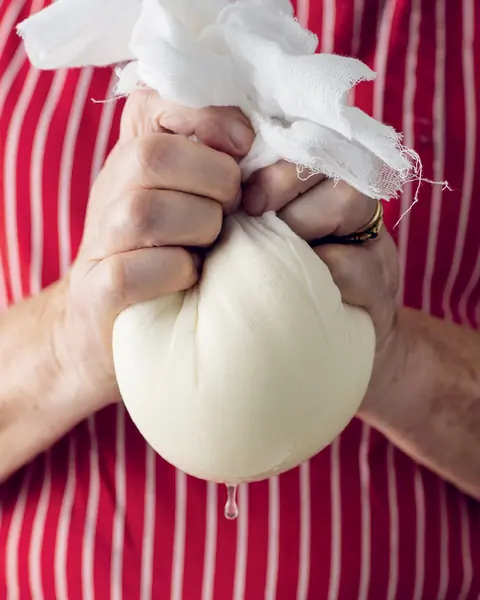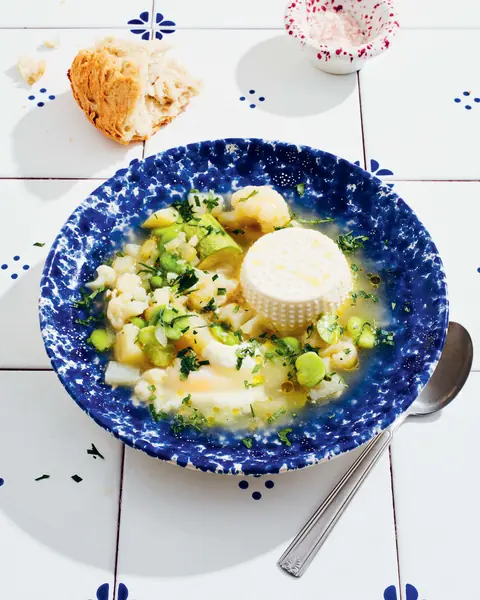
Ġbejniet can be likened to ricotta, but made from sheep’s milk and with a texture that is far superior. Think of crème caramel or silken tofu in its early stages of setting. Sheep are much more suited to Malta’s rocky landscape than cows, so it makes sense that !bejniet was always made with their milk. If we were to go back in time, it’s likely any Maltese recipe mentioning ‘ricotta’ was made with sheep’s or goat’s milk. The British brought with them cattle and incentives to discontinue production of sheep’s milk, so today many versions of Gbejniet are made with cow’s milk. But you can make Gbejniet at home! (And of course, this recipe also works for cow’s milk.) Fresh Gbejniet keeps for a few days, but is best eaten as soon as possible. And the fresher the milk is, the better the cheese tastes.
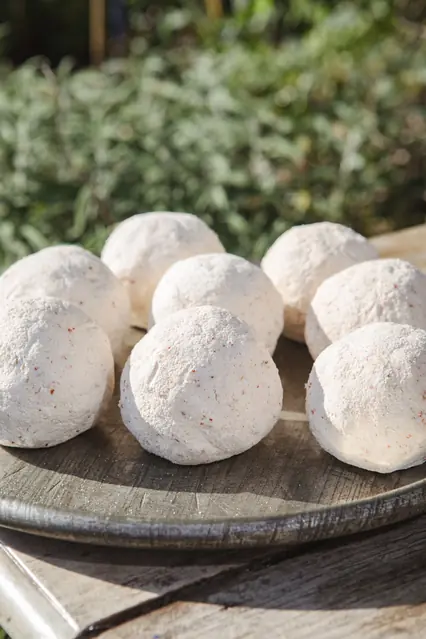
Ġbejniet can also be dried and preserved (see tip below) to give them a longer shelf life. Drying them gives the cheese a texture similar to that of a harder cheese such as pecorino. Semi-dried Gbejniet is excellent grated onto pastas and other dishes as you would parmesan. It can also be broken up and used in stews or salads, or added to the cheese filling for pastizzi.
Ingredients 3
Your new home
for cooking
Turn your recipe chaos into a plan for the week.
Browse 1000+ inspiring creator recipes
Unlimited recipe import from social media, blogs and more
Generate shopping lists and meal plans in seconds with AI
Method 4
Heat the gently in a heavy-based saucepan. Once it reaches 38°C (100°F) on a thermometer, turn off the heat. Take some of the warm milk in a small glass and stir in the . Now stir this back into the pan of milk. Leave for 1 hour.
Use a sharp knife to make some cuts through the semi-set . Leave for another 30 minutes.
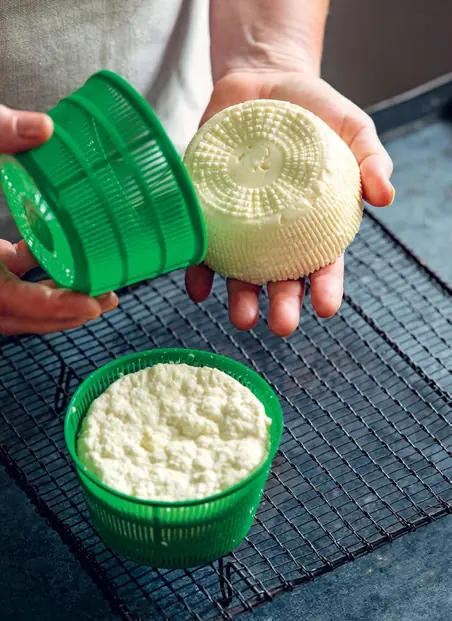
Use a slotted spoon (or one of your cheese baskets) to scoop the curd and start filling the baskets. Top them up as the whey starts draining out, ensuring they are filled as high as possible. When you have scooped all the curd, sprinkle sea salt generously over the top of each cheese. Place the baskets on a wire rack set above a tray and allow to drain for 1 hour.
Turn the upside down in their baskets and sprinkle again with sea salt. Transfer the cheese, rack and tray to the refrigerator and allow to drain for another 8 hours or overnight. After this, the cheese can be turned out and is ready to eat. (The cheese can also be enjoyed after just a few hours of draining – the jelly-like texture is marvellous.)

Simon Bajada's tips
Dried Ġbejniet:
Leave your cheeselets out on a wire rack for 1 day in an area that is well ventilated and cool, without humidity. A draught or a fan can help create
the ideal conditions. The next day, sprinkle the top of the cheeses with more salt, and turn over and dry for at least 2 more days, or until the cheeses have visibly shrunk, are light yellow in colour, and are firm and waxy to the centre with a crumbly texture (cut a cheese to check). The exact length of drying time depends on the conditions. Keep the finished cheeses in a sealed container in the refrigerator, where they should keep for a few weeks or so.