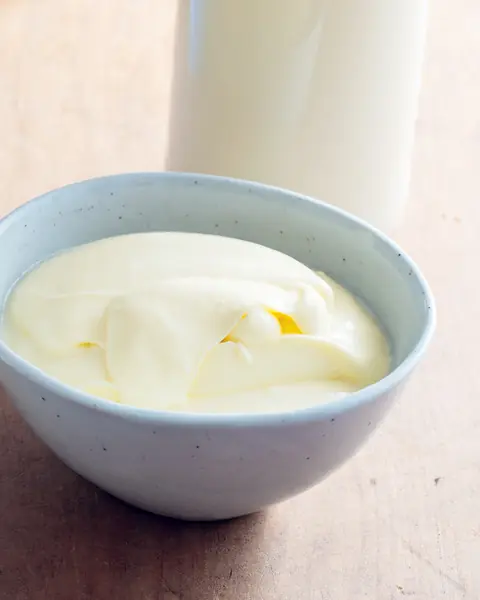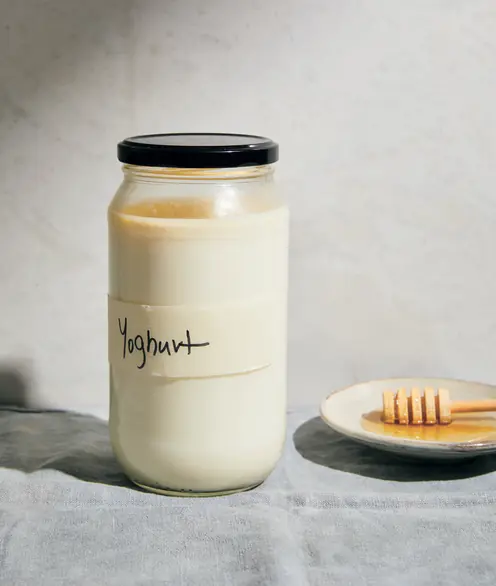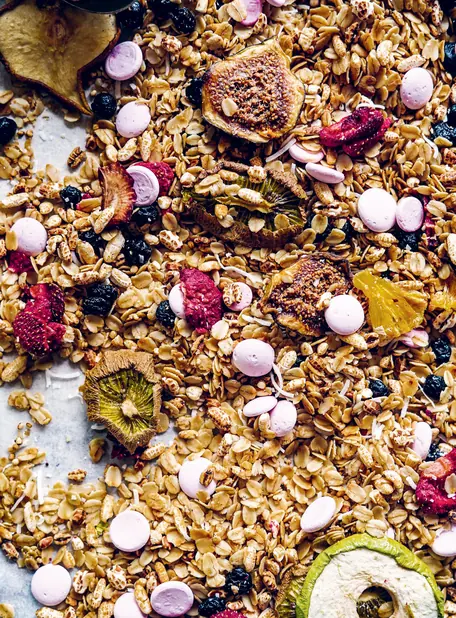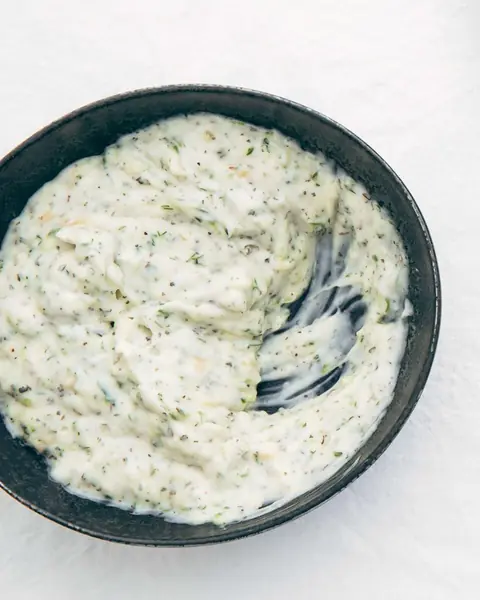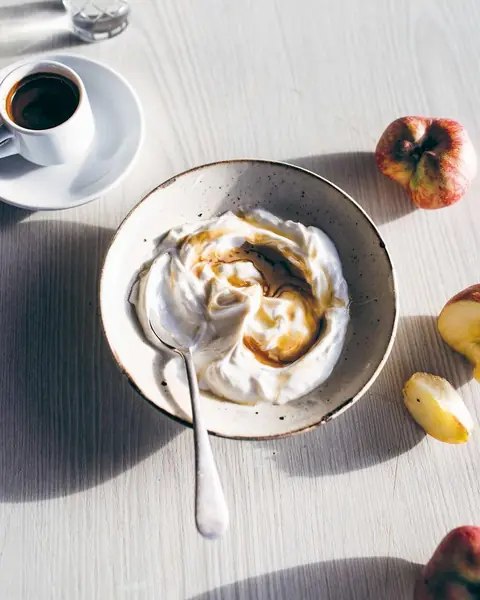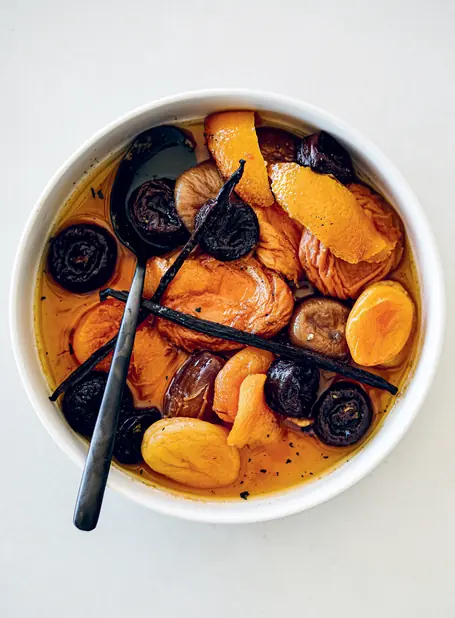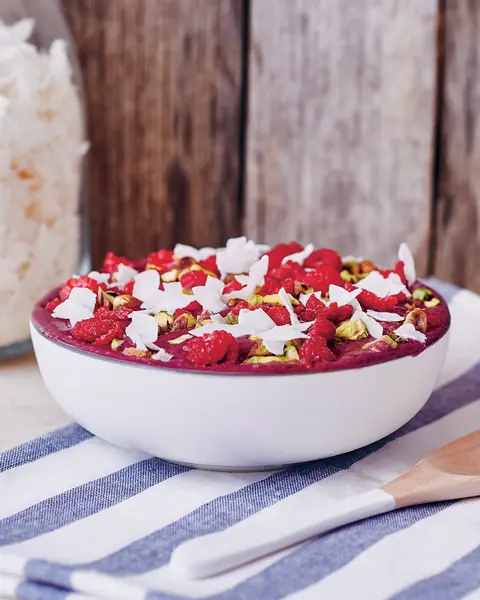
With three small people to feed who are obsessed with yoghurt, I was spending a mortgage repayment on tubs of the stuff each week. I have tried all the yoghurt makers out there and have, time and again, been left with a weird, watery mess, or something mouth-cloyingly sweet that was no better than the shop-bought stuff. Enter the slow cooker. My mind was blown. I’ll admit, it’s a bit fiddly to start with, but once you’ve made it a few times, you won’t even blink.
Makes 2 - 2.5kg (8-10 cups).
Ingredients 4
Your new home
for cooking
Turn your recipe chaos into a plan for the week.
Browse 1000+ inspiring creator recipes
Unlimited recipe import from social media, blogs and more
Generate shopping lists and meal plans in seconds with AI
Method 4
Add the to your slow cooker and set to low. The aim is to heat it to just over 80°C (176°F). If you wanted to speed things up, you could heat the milk on the stovetop and then pour it into the slow cooker.
Once at the correct temperature, turn off the cooker and let it sit for about 1 hour to cool. Check regularly – you want the temperature to come down to about 40°C (104°F) or just over. The main reason for heating the before fermenting it is that it improves the yoghurt texture.
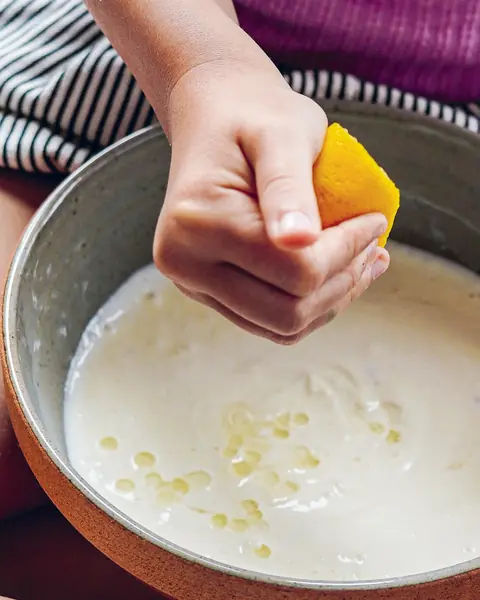
Add the , , and , if using, and whisk to combine. Keep the bowl in the cooker as this is the perfect warm hug that it needs, then cover with the lid. You want to ensure it stays in a warm place for at least 8 hours, around 40°C (104°F) or just over. Alternatively, you can wrap your slow cooker in a towel and pop it somewhere draft free for 6–8 hours. If the yoghurt still seems a little runny, you can incubate it for another 4–6 hours.
Strain it using a piece of muslin (cheesecloth) to eliminate the extra whey. At this point, you can return the to the slow cooker and let it sit for an additional 2 hours to achieve an even thicker consistency.

Katrina Meynink's tips
Add 100 g (3½ oz/1 cup) powdered milk to the quantities below for a thick, luscious Greek-style yoghurt.
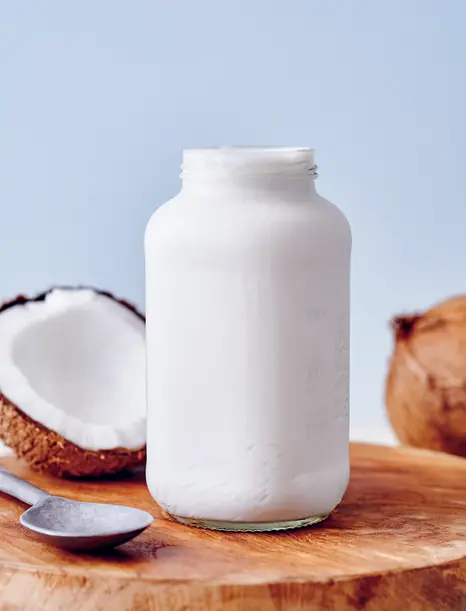
If using alternative milks, such as nut or oat milk, you will need to add sugar for the bacteria to activate, and you will need some yoghurt culture. You can find this online or at some gourmet grocers.
You can halve this recipe for a smaller batch.