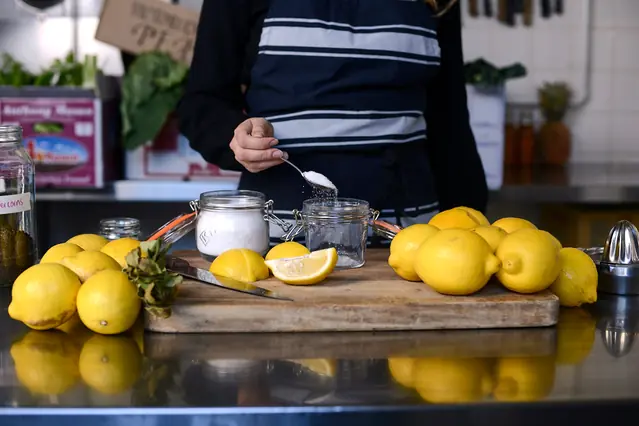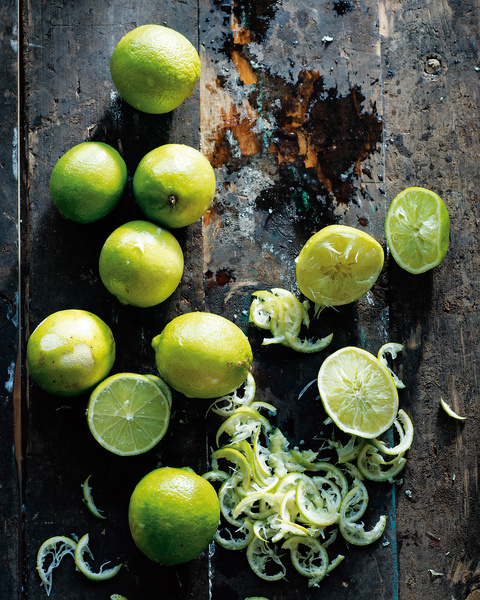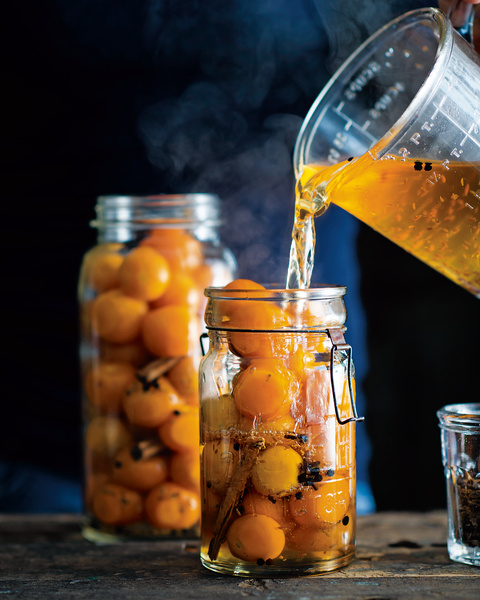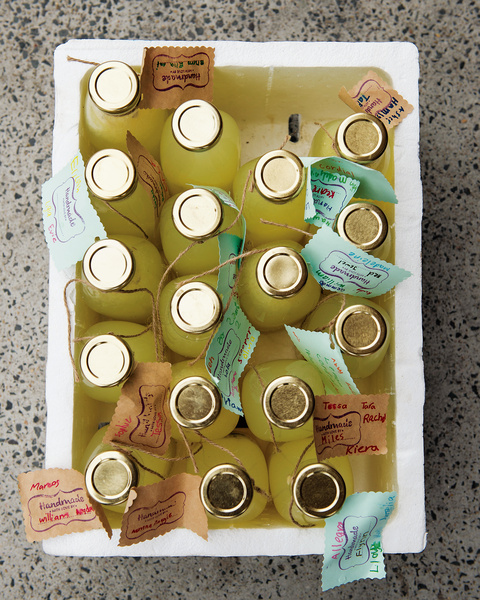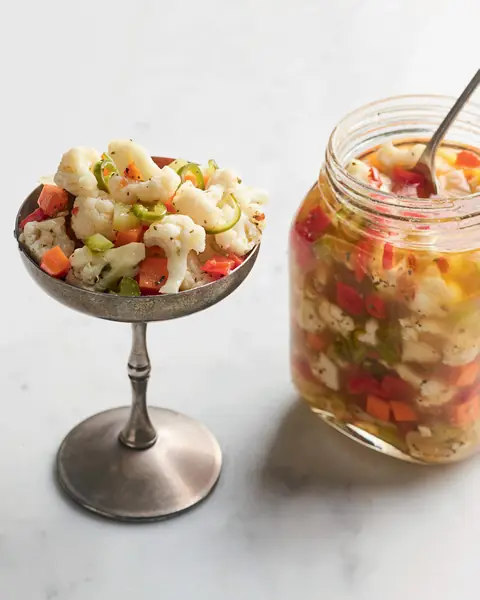
This is a wonderful introduction to preserving. You need just two main ingredients – lemon and salt – plus whatever herbs and spices are around at the time. The list below is a guide; I’ve also used cinnamon sticks, cardamom pods and juniper berries with success. The other hidden ingredient is, of course, time; this is lacto-fermentation. It will take six weeks until you can start to use the lemons, although they are even better if left for two to three months.
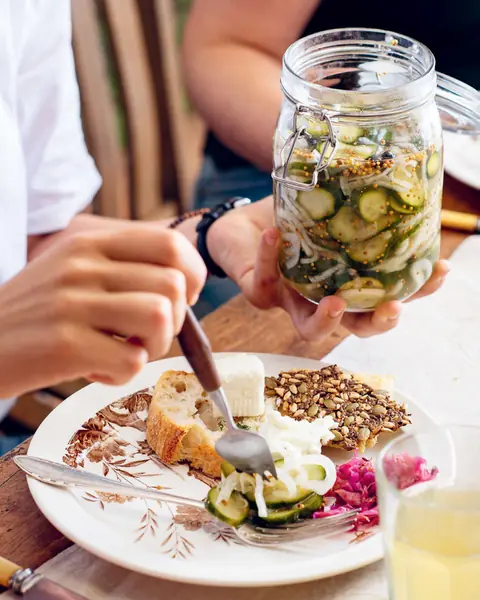
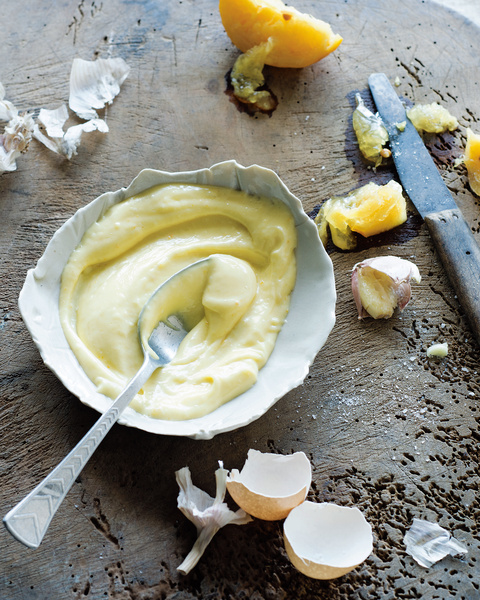
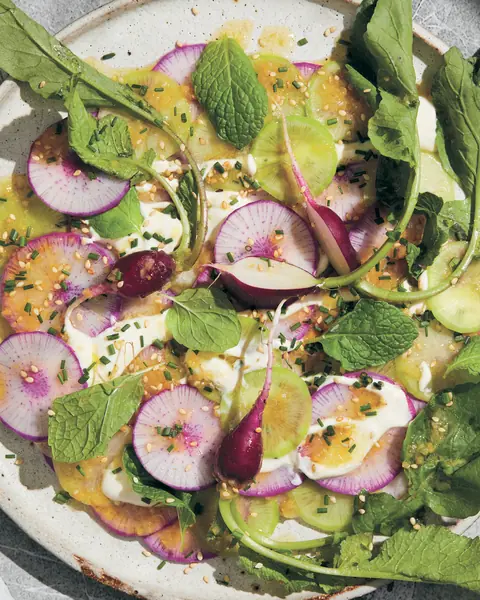
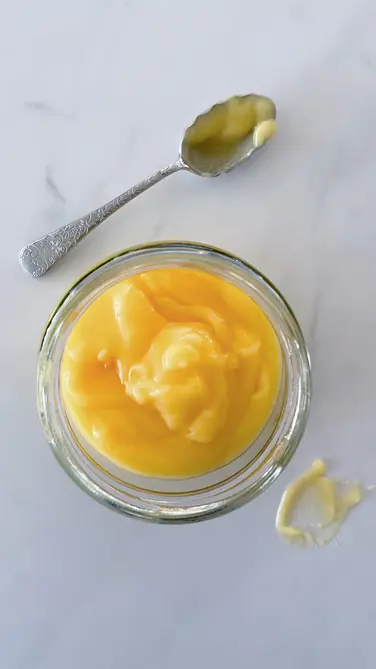
We use preserved lemon a lot. The pulp and skin are useful in the kitchen added to all sorts of things, such as salads, sauces, mayonnaise and braises. The juice will thicken over time and is wonderful in dressings or simply mixed with a little olive oil over pasta.
Fills 4 x 300 ml (10 fl oz) jars.
Ingredients 7
Your new home
for cooking
Turn your recipe chaos into a plan for the week.
Browse 1000+ inspiring creator recipes
Unlimited recipe import from social media, blogs and more
Generate shopping lists and meal plans in seconds with AI
Method 6
Quarter the and remove the pips (this is not essential). Put the lemons in a large bowl and add the . Massage the salt firmly into the lemons until it is well mixed and juice is coming out of the lemons.
Add the , , , . and and mix through evenly. Set aside while you sterilise your jars (see my tips).
Press down hard on the to release as much juice as possible, then transfer to your sterilised jars. Start by placing some of the salt mixture in the bottom of the jar. Pack the lemons in tightly, with the rind of each piece against the glass and the flesh facing in. Add the , , , and as you go, so they are well dispersed and not in a layer at the top of the jar.
Top up each jar with the salty juice you squeezed from the , pushing down at the end. The fruit needs to be completely covered in juice; if you don’t have enough, add extra juice to cover. Wipe off any juices from the sides and seal the jars.
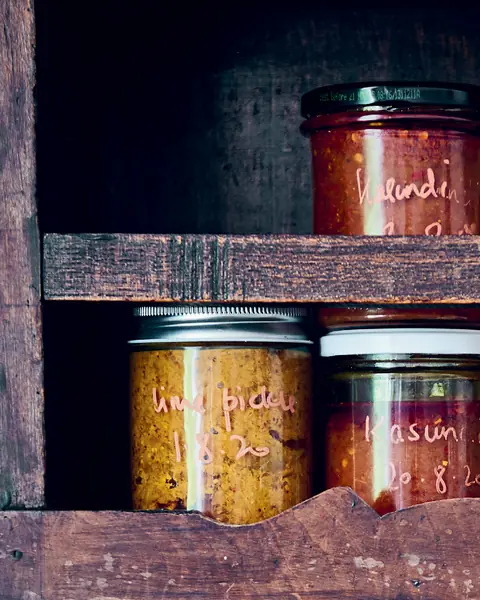
Leave to ferment at room temperature for 6 weeks, turning the jars upside down once a week or so to help disperse the and flavourings. The are ready when the salt has completely dissolved, the rind is more translucent and the liquid is gel-like. They will keep for years in the fridge once opened, with the flavours developing more and more over time.
To use the preserved lemon, remove from the jar, scrape away the , pips and spices, cut finely, then use as directed.

Urbanstead's tips
You can do this with limes, oranges or other citrus fruits. A good tip is to freeze the quarters overnight before preserving, as this softens the skin and helps to speed up the process.
To sterilise your jars, preheat the oven to 120°C (250°F). Wash them in hot soapy water and rinse thoroughly, then place them in the oven for 20 minutes. Make sure your jars are completely dry and still warm when you fill them.