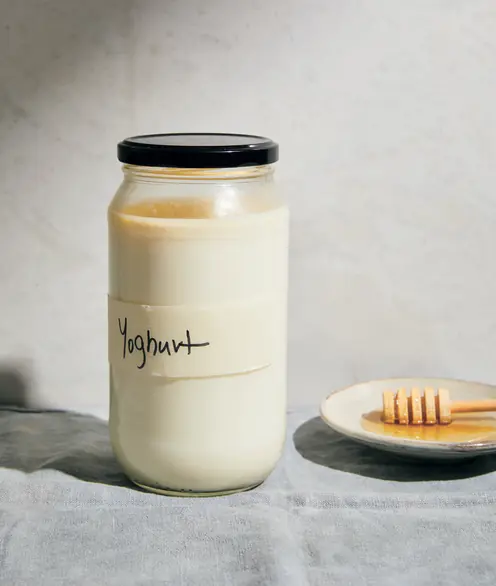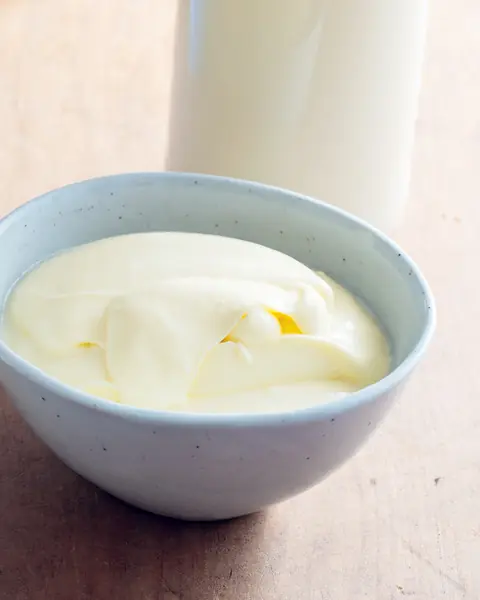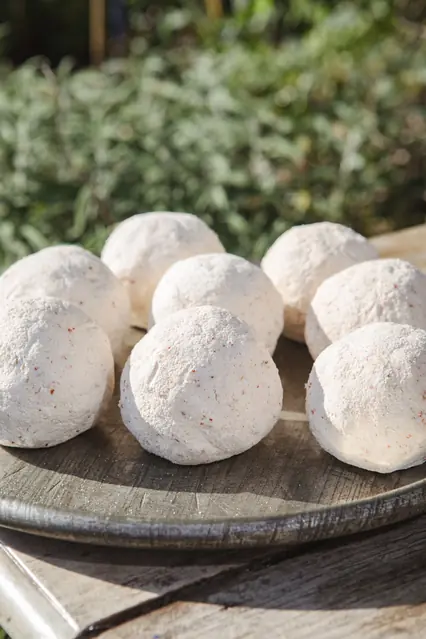
Making milk kefir is a lovely and simple thing. Dairy kefir, or milk kefir, is the fermented dairy drink you would have grown up with if you are from Eastern Europe. It’s not as common in Australia as we’re suspicious of fizzy milk. Milk kefir, though, reportedly consists of over thirty different strains of live bacteria and yeasts, more than either water kefir or kombucha, so you’re getting excellent bang for your probiotic buck.
Makes 250 ml (1 cup).
Ingredients 2
Your new home
for cooking
Turn your recipe chaos into a plan for the week.
Browse 1000+ inspiring creator recipes
Unlimited recipe import from social media, blogs and more
Generate shopping lists and meal plans in seconds with AI
Method 6
Pour the into a clean glass jar and stir in the . The milk can be cold or room temperature, either is fine.
You can cover the jar with muslin (cheesecloth), a paper towel or a clean napkin and secure it with a rubber band, but actually, for years, I have just put a lid on the jar. Typically, we are advised not to do that due to gas build-up in the jar, but it’s a short fermentation and I’ve never ever had a problem.
Ferment for 12–48 hours. Store the jar at room temperature away from direct sunlight and check it every half day or so. When the has thickened and peels off the side of the jar when you tip it, it’s ready. This will usually take about 24 hours at average room temperatures; the milk will ferment faster at warmer temperatures and slower at cooler temperatures. If your milk hasn’t fermented after 48 hours, strain out the grains and try again in a fresh batch (this sometimes happens when using new kefir grains, when refreshing dried kefir grains, or when using grains that have been refrigerated).
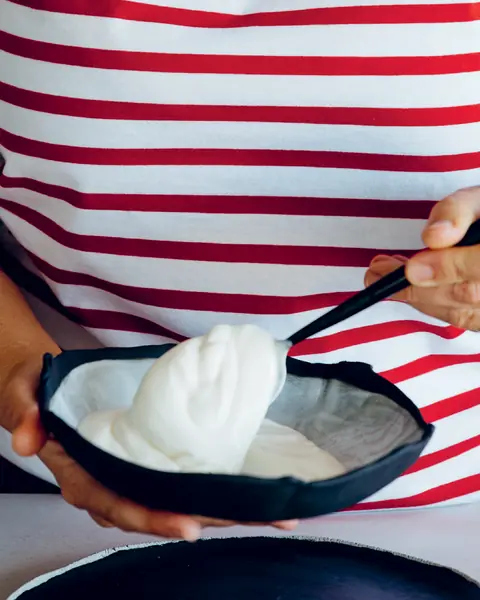
Place a small strainer over the jar in which you’ll store the kefir and strain the kefir into the jar, catching the grains in the strainer.
Stir the into a fresh batch of and allow to ferment again. This way, you can make a fresh batch of kefir roughly every 24 hours. To take a break from making kefir, place the grains in a small jar of fresh milk, put the lid on and refrigerate.
The prepared milk kefir can be used or drunk immediately, or covered tightly and stored in the fridge for up to 1 week.

Buena Vista Farm's tips
Milk kefir grains are not ‘grains’; there’s no gluten involved. They are actually tiny, rubbery, knobby-looking cell structures that are home to the bacteria and yeast that ferment the kefir. Milk kefir grains are white and look like cauliflower florets, they’re also a SCOBY (symbiotic culture of bacteria and yeast) and are a matrix on a surface of a complex polysaccharide with a casein core. They are, more or less, the equivalent of the grains we use to make water kefir, or the SCOBY used to make kombucha. All cultured foods and drinks, but most powerfully milk kefir, contribute to a lively bacteria-rich microbiome, which is useful when you consider about 90 per cent of a human body’s serotonin is made in the digestive tract. Happy little knobbly things.
Dairy kefir grains work best with full-cream milk from cows, goats, and sheep. You can successfully make kefir with reduced-fat milk, but if you notice that your grains are behaving sluggishly or taking longer and longer to ferment the milk, put them back in a jar of full-cream (whole) milk to refresh them.
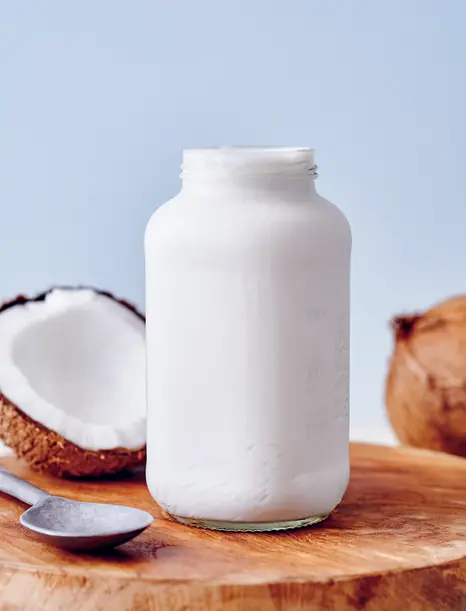
If you’re looking for a non-dairy option, try making the kefir with coconut milk. Since coconut milk has totally different proteins and nutrients than animal milk, the kefir grains will lose their vitality after a little while. To refresh them, put them back in some animal milk for a batch or two. Milk kefir grains don’t ferment almond milk, soy milk, or other dairy-free milks very well, but you can experiment, as long as you ‘refresh’ them in cow’s milk to revive them.